


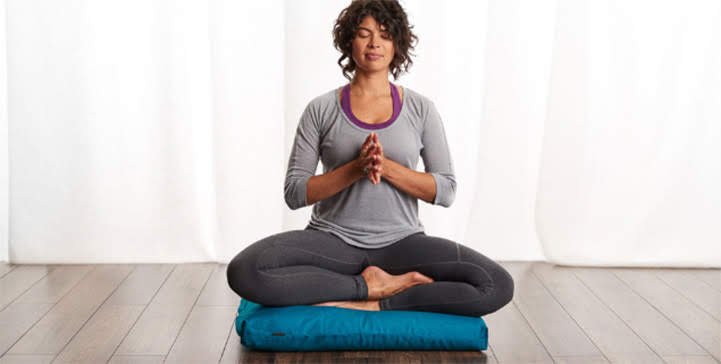
Here's something interesting: just 12 minutes of meditation, 5 days a week, can help protect and boost your attention span.
This meditation guide won't turn you into a Zen master overnight, nor will it require you to sit cross-legged for hours. Research shows that people who meditate regularly can significantly reduce their stress levels. They feel calmer and more relaxed as they go about their day.
Starting meditation is easier than you'd think, even if you've never tried it before. Start with just a few minutes a day for a week. Add two more minutes when you feel ready, and keep building from there. You'll be amazed - this simple approach will have you meditating for 10 minutes daily by your second month!
Let us guide you through some easy and practical steps to establish an eco-friendly meditation routine. Your mind might race constantly (don't worry - everyone does!), and your schedule might be packed. This piece will help you experience the life-changing benefits of meditation without feeling overwhelmed.

Meditation trains your mind to focus and redirect thoughts. It creates mental clarity and emotional stability. This practice started thousands of years ago in Eastern traditions and has become accessible to more people as a technique to boost overall well-being.
Meditation helps you become more aware of yourself and your surroundings. Many people think meditation means emptying their minds completely. The truth is it teaches you to observe thoughts without judgment and redirect your attention.
Think of meditation as a gym for your mind. We exercise our bodies to stay fit, and meditation strengthens our "mindfulness muscle." You'll learn to spot your thought patterns. This is an opportunity to step back from the constant stream of thoughts running through your mind.
People who meditate regularly see their stress markers, such as cortisol and heart rate, decrease. These changes affect everything from sleep to blood pressure. Brain scans using EEG and fMRI show that meditation changes brain structure. Meditators have denser brain tissue in areas that handle sensory input, concentration, and emotional processing.
Regular meditation practice brings benefits that go way beyond relaxation. Research shows these positive effects:
The benefits don't stop when your session ends. That sense of calm and balance stays with you all day, helping you handle stressful situations better.
The biggest myth about meditation is that you need to silence your thoughts completely. The truth? Thoughts will come and go - that's normal.
Meditation teachers often hear, "I can't meditate because my mind is too busy." A busy mind is exactly why meditation exists. You're not trying to stop thoughts - you're learning to change how you relate to them through awareness.
Your mind will wander during meditation - that's perfectly normal. Even experienced meditators get distracted. The difference lies in how you respond. Stay curious instead of critical. When your attention drifts (and it will), just notice and bring it back to your focus point.
You don't need special equipment, expensive memberships, or complete silence to meditate. Practice while lying down, walking, or in any comfortable position. Beginners can use guided meditations for structure, and starting with a few minutes each day works fine.
Research shows that consistency matters more than the duration of meditation. Start with 2-3 minutes daily and build up as you get comfortable. Soon, you'll find that your busy mind, once seen as an obstacle, becomes your best teacher in the practice.
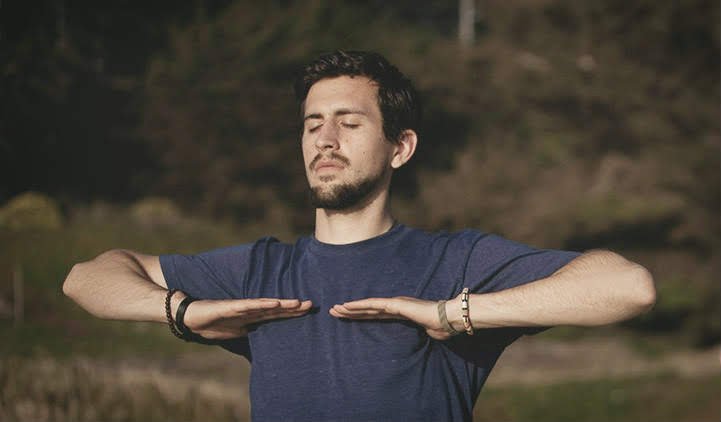
Breathing opens the simplest yet most powerful path to meditation. Your breath is a vital practice that brings quick benefits without needing any special gear or experience.
You can start meditating by just paying attention to your breath. The first step is to find a quiet spot where you can spend 5-10 minutes alone. This allows you to reconnect with your natural breathing rhythm without forcing any changes.
Your breath is present in various parts of your body. You might notice it in your:
Here's a simple way to start breathing meditation:
Stay patient with yourself. Your mind will drift - it happens to everyone, especially when starting out. Just notice when your thoughts wander without getting frustrated and bring your attention back to your breath.
Studies show that focusing on your breath during meditation can sharpen your mind. Recent research has linked this practice to improved attention and brain health.
Guided meditations help newcomers find their way. A 10-minute session hits the sweet spot - long enough to feel the benefits but short enough to fit into your day.
Here's how to start your first guided practice:
Counting breaths helps many people stay focused at first. You can count each breath: "In (one), out (two), in (three)...". This simple trick provides your mind with a solid focus point, helping to redirect your attention away from random thoughts.
Making meditation a regular habit is most effective. You might start with 10 minutes each morning and evening, then gradually work up to 20 or 30 minutes as you feel comfortable.
A comfortable position makes all the difference in meditation. You don't need to sit cross-legged or in a lotus position to meditate well.
If you're using a chair:
If you're on the floor:
Your body's alignment matters, whatever position you choose. Stack your head above your heart and your heart above your hips. This setup helps you stay alert while staying relaxed.
Comfort is the golden rule of meditation posture. If sitting straight causes discomfort, use cushions or lean against a wall for support. The goal is to feel comfortable enough to focus on meditating rather than physical discomfort.
Stick with it, and you'll find meditation gets easier. Just like any skill, your focus and relaxation will improve with practice.
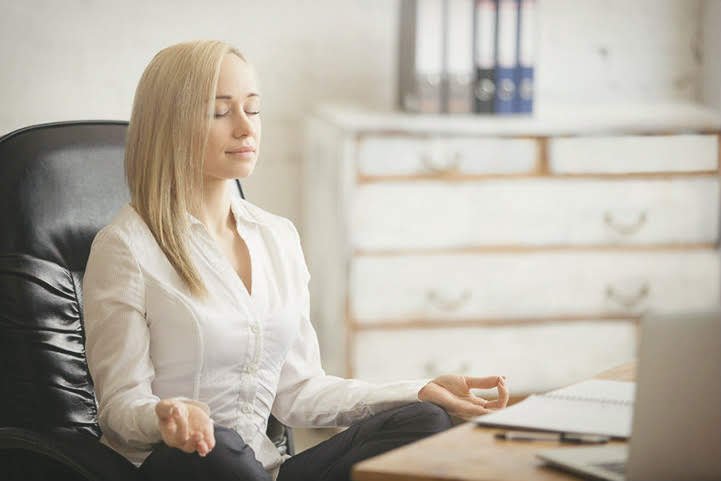
The right resources can transform your meditation experience. Today's market has countless options, but a well-chosen set of beginner-friendly materials will help you build a steady practice without feeling lost.
A structured approach creates a solid foundation for meditation newcomers. You'll find many free resources that teach you simple concepts and techniques. UCLA's Mindful Awareness Research Center offers downloadable guided meditations that serve as a great starting point. Mindful.org also offers free 5-day meditation guides sent directly to your inbox, featuring valuable insights and guided practices. Sattva, the world's number one free meditation app, gives thousands of guided meditations, sound baths, and breathing exercises.
See below for information on another app for beginners, the Art of Living Journey app.
Your beginner resources should have these features:
A quality beginner's guide teaches proper posture, breathing techniques, and... [truncated]