



Your 2026 wellness checklist focuses on restoring balance in the nervous system, improving sleep quality, and building sustainable daily habits that support mental, emotional, and physical health.
Rather than extreme resolutions or productivity-driven wellness, this approach emphasizes regulation, recovery, and resilience. Research shows that chronic stress disrupts sleep, mood, focus, and immune function, while practices that calm the nervous system improve overall well-being and long-term health.
Key areas of a 2026 wellness checklist include nervous system regulation, sleep support, meditation, emotional health, mindful movement, nutrition awareness, purposeful service, and consistent daily rhythms. Together, these habits help reduce stress signaling, improve energy levels, and support emotional stability.
Art of Living programs—including SKY Breath Meditation (Art of Living Part 1 Course), the Sleep and Anxiety Protocol, and Sahaj Samadhi Meditation—offer structured, evidence-informed practices that align with these wellness goals.
As we move into 2026, many people are realizing that traditional wellness advice—more productivity, stricter routines, extreme resolutions—often adds pressure rather than relief. Despite better apps, trackers, and health information than ever before, stress, sleep problems, anxiety, and burnout remain widespread.
The reason is simple: wellness is not just about what you do, but about how your nervous system experiences daily life.
A truly effective wellness approach supports regulation, recovery, and resilience, rather than constant stimulation or self-optimization. That’s why this 2026 wellness checklist focuses on restoring balance in the body and mind through practical, sustainable habits that work with human physiology.
This is not a rigid to-do list. It’s a guide you can return to throughout the year—choosing the support that works best for you when you need it.
Small, repeatable practices change stress patterns more effectively than short bursts of effort.
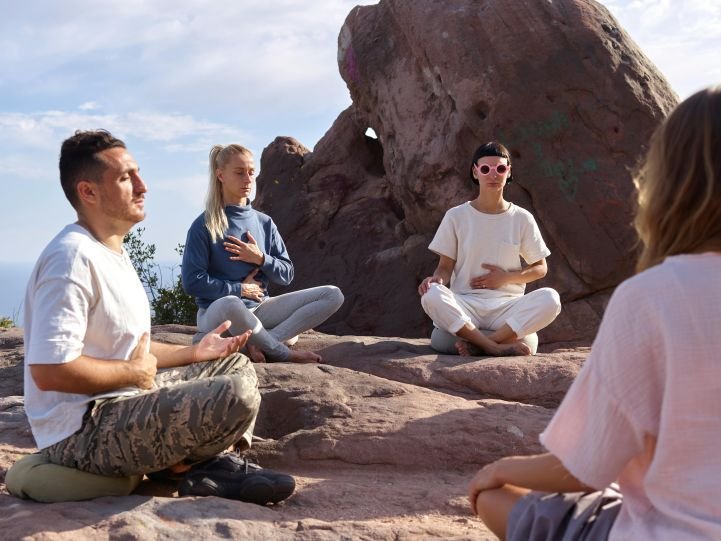
Chronic stress keeps the body in a prolonged fight-or-flight state, driven by sympathetic nervous system activation. Over time, this affects sleep, mood, digestion, immunity, focus, and emotional balance.
When the nervous system learns how to return to a regulated state more easily, the body recovers faster from stress, and everyday challenges feel more manageable.
☐ Practice slow, rhythmic breathing daily
☐ Reduce chronic stress signaling in the body
☐ Build resilience rather than relying on short-term stress relief
Breath-based practices are one of the most direct ways to influence the nervous system. Structured breathing helps:
The Art of Living Part 1 Course, which teaches SKY Breath Meditation, is designed to support stress reduction and nervous system balance through evidence-informed breathing practices that integrate into daily life.

Many people struggle to fall asleep or stay asleep, not because they lack time in bed, but because their nervous systems remain activated at night. This “tired but wired” state is commonly linked to stress, anxiety, and mental hyperarousal.
Improving sleep quality requires addressing what happens before bedtime, not just bedtime itself.
☐ Fall asleep more easily
☐ Reduce nighttime racing thoughts
☐ Wake up feeling more restored
Breath regulation, gentle meditation, and evening routines that calm the nervous system can improve sleep quality over time.
The Sleep and Anxiety Protocol focuses specifically on reducing nighttime stress and supporting deeper rest by calming stress responses rather than forcing sleep.
Feeling tired but wired at night?
Difficulty sleeping is often linked to stress and nervous-system hyperarousal—not just to bedtime habits. Learning how to calm the stress response can support deeper, more restorative sleep.
Explore the Sleep and Anxiety Protocol
A structured, breath- and meditation-based program designed to help reduce nighttime stress, quiet racing thoughts, and support healthier sleep patterns.
➡️ Learn how the Sleep and Anxiety Protocol supports rest and recovery
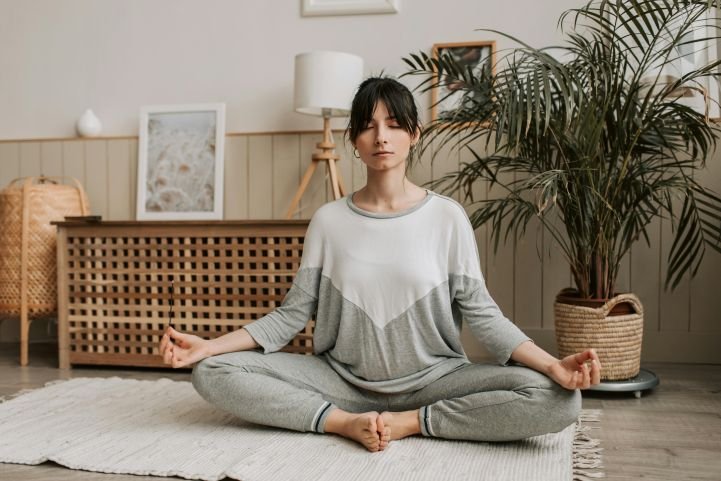
Meditation is not about stopping thoughts—it’s about improving how the mind responds to them. Regular meditation practice supports:
Over time, meditation helps the nervous system recover more efficiently from stress.
☐ Meditate regularly, even for short periods
☐ Improve emotional balance
☐ Reduce mental overload
The Sahaj Samadhi Meditation Course teaches an effortless meditation technique designed to fit into modern life, supporting deep rest and mental clarity without strain.
Mental and emotional health are shaped by everyday stress responses, not just major life events. When stress remains unaddressed, it can contribute to anxiety, irritability, low mood, and emotional fatigue.
Daily regulation practices help stabilize emotions and improve resilience over time.
☐ Reduce anxiety and emotional overwhelm
☐ Improve stress recovery
☐ Build emotional resilience
Breathing practices, meditation, and gentle routines all support mental fitness and emotional well-being.

Movement doesn’t have to be intense to be effective. Gentle, consistent movement supports circulation, joint health, mood, and nervous system balance—especially when paired with mindful breathing.
☐ Move daily without burnout
☐ Support flexibility and circulation
☐ Use movement to calm the nervous system
Yoga practices taught in Art of Living programs emphasize breath-aligned movement that supports regulation rather than overstimulation. Try our free class.

Nutrition affects not only physical health, but also energy levels, mood, and stress hormones. Eating with awareness helps regulate digestion and supports steadier energy throughout the day.
☐ Eat in ways that support sustained energy
☐ Reduce stress-driven eating
☐ Cultivate awareness around food choices
A balanced, non-restrictive approach to food is more sustainable than rigid dietary rules.

A sense of purpose and connection plays a powerful role in emotional health. Acts of service—often called seva—are associated with improved mood, reduced stress, and greater life satisfaction.
☐ Engage in meaningful service
☐ Strengthen connection and purpose
☐ Balance personal well-being with contribution
Art of Living service initiatives provide opportunities to engage... [truncated]