


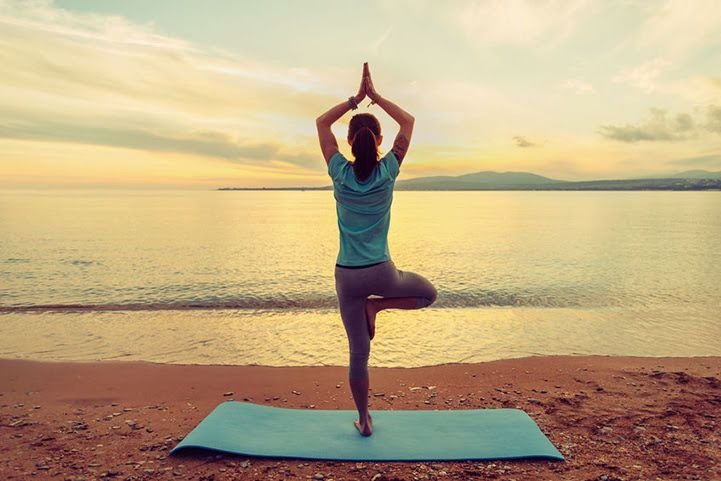
Traveling can be exhilarating — but also exhausting. Long flights, hours in transit, and cramped seats can lead to tight muscles, sluggish circulation, and lower back pain. Yoga offers the perfect antidote: gentle movement, conscious breathing, and deep relaxation.
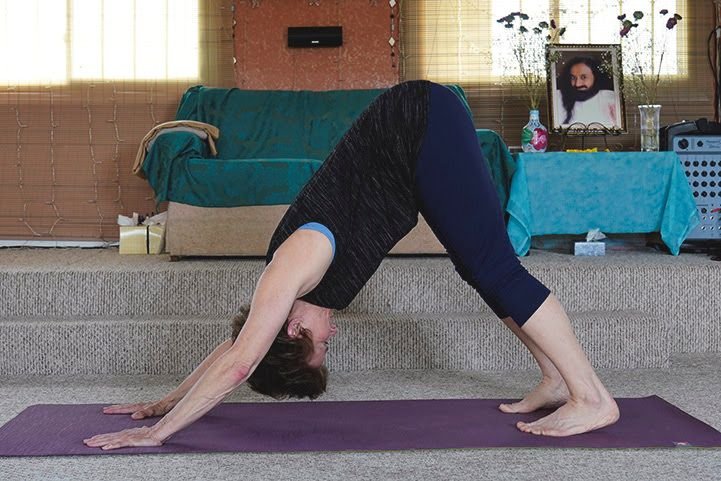
For travelers, yoga poses such as Downward Dog—a great pose for opening up the entire body—Cat-Cow, and Low Lunge can relieve tension and restore vitality. As a yoga practitioner or frequent traveler, incorporating poses that open the hips, stretch the spine, and refresh blood flow can make every journey smoother and more enjoyable.
Even if your schedule is packed, a short 10–15 minute yoga session each day can reset your body and mind — helping you arrive energized and centered, no matter how far you travel. Many travelers also seek out a gentle yoga class upon arrival to help ease stiffness and reconnect with their bodies after travel.
Travel can take a toll on both body and mind, but regular yoga practice helps restore equilibrium in remarkable ways. Gentle yoga movements help keep blood flowing throughout the body, which is especially important for travelers. Whether you’re boarding a plane, driving long distances, or simply shifting time zones, the body thrives when you bring mindful movement back into the equation.
Sitting for long hours can restrict blood flow, leading to stiffness, swollen feet, or even mild fatigue. Gentle yoga movements — especially neck rolls, shoulder rolls, and forward folds — help stimulate circulation, moving fresh oxygen through the body and keeping your energy levels high.
Air travel and road trips often tighten hip flexors, hamstrings, and the lower back. Stretching the hip flexor is crucial for travelers to maintain flexibility and prevent discomfort. Yoga counteracts these effects by gently lengthening and strengthening major muscle groups. Poses like Low Lunge and Standing Split improve joint range of motion, balance, and coordination — making it easier to explore new destinations without discomfort. Each pose helps to open the hip flexor and alleviate tightness from sitting for long periods.
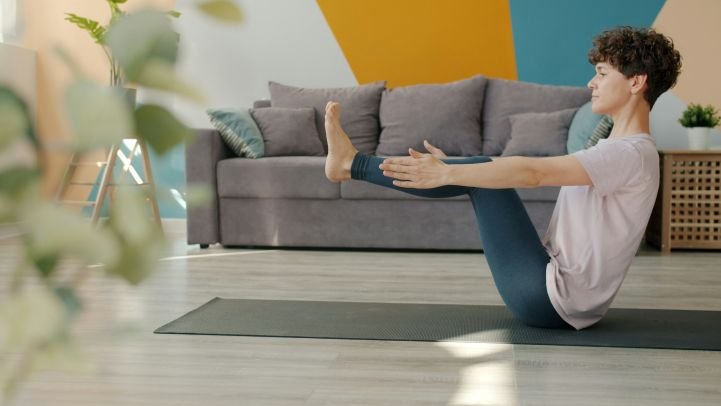
Strong core muscles are essential for posture and spinal health, and developing core strength is crucial for stability and injury prevention during travel. Poses such as Boat Pose and PlankPose engage deep abdominal muscles that stabilize your body during movement — and protect your back during long travel days.
Travel can be stressful — from airport lines to unpredictable schedules. Yoga’s focus on breath awareness helps lower cortisol levels and activate the body’s relaxation response. As you breathe deeply through each pose, the mind naturally steadies and the nervous system resets, making you more resilient to the ups and downs of travel.
Perhaps most importantly, yoga reconnects you to the present moment. Even when you’re far from home, your breath and body are always with you. Practicing yoga while traveling reminds you to pause, slow down, and appreciate the journey itself — not just the destination.
During your practice, bring awareness to your heart center. Focusing on this area can enhance grounding and presence, helping you feel more connected wherever you are.
Starting yoga on the road is easier than you might think — it’s all about creating a space for stillness amidst motion. You don’t need a full studio setup or fancy props; what you really need is awareness, breath, and intention. Begin by finding a comfortable way to sit, focusing on grounding through your seat and aligning your spine to establish stability and balance as you start your practice.
Look for a quiet area in your hotel room, a corner near your bed, or even an outdoor terrace with natural light. A yoga mat is helpful, but a towel or carpeted surface will do just fine—just make sure the floor provides a stable base for your yoga practice. If you’re outdoors, find a flat, even patch of ground to prevent strain.
Start your practice with simple, grounding poses:
These foundational movements ease you into awareness, helping your body transition from stillness to flow.
The magic of yoga lies in how you move — not just what poses you do. Keep your spine long, maintain a tall posture, keep your shoulders relaxed, and synchronize your movements with your breath. Inhale to lengthen, exhale to release.
When your breath leads your movement, your practice becomes a moving meditation — perfect for calming travel-related stress.
Each day on the road feels different. Honor that. Some mornings you may crave deep stretches; other days, gentle restorative poses are best. Respect your limits and avoid forcing flexibility — consistency matters more than intensity.
Even five to ten minutes of yoga a day can create meaningful shifts in your energy and mood. Think quality, not quantity. Over time, your travel routine will become a ritual of care and connection.
Start your day with a short routine to awaken your body and prepare for the adventures ahead:
Hold each stretch for a few deep breaths, noticing how your body wakes up with each movement.
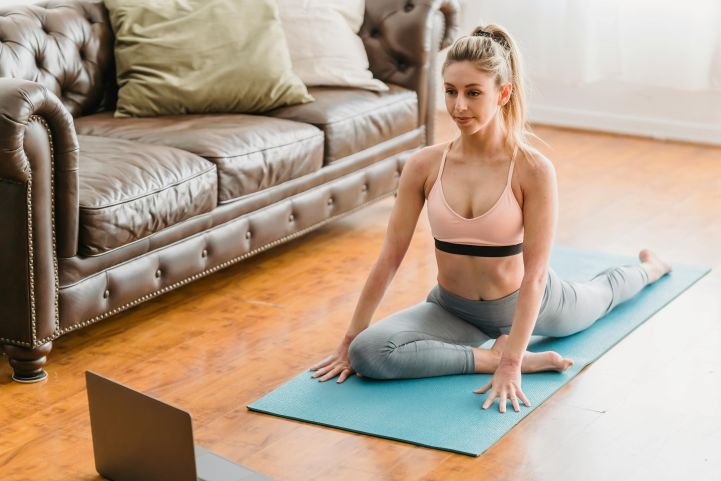
Travel often means long periods of sitting, so hip and leg stretches are essential to restore movement and prevent stiffness.
Move slowly, focus on your breath, and hold each pose for a few deep breaths on both sides. The goal is not flexibility, but balance and ease.
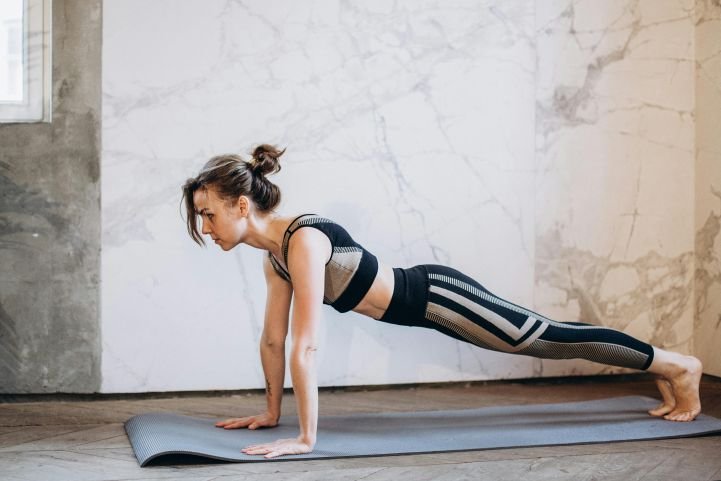
A strong core supports posture and stability — especially when carrying luggage or sitting for long periods.
Hold each pose for 30–60 seconds, breathing steadily. Strengthening the core not only supports your lower back but also helps you stay grounded and energized while traveling.
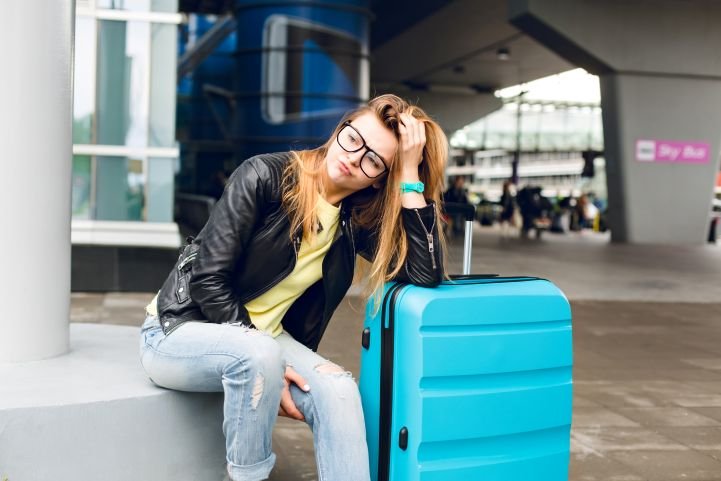
Maintaining a yoga practice while traveling can feel daunting at first, but with mindful adjustments, it becomes second nature.
When space is limited, consider incorporating standing stretches. For example, try Chair Pose (Utkatasana)—a standing pose that mimics sitting in a chair. This pose efficiently engages the quadriceps, glutes, and core muscles, helping to build strength, balance, and stability even in small hotel rooms or tight spaces.
Hotel rooms, airports, or guesthouses might not always provide ample space. The key is creativity. Use what’s available — a towel as your mat, a wall for balance poses, or your suitcase as a prop. Even standing stretches can work wonders during layovers or train rides.
Without your usual studio or teacher, motivation can dip. Try... [truncated]