



Imagine being guided into a place where your body is deeply at rest, your mind is awake yet tranquil, and your awareness expands beyond daily worries. This is the power of Yoga Nidra, also known as yogic sleep—an ancient meditative practice that leads to profound physical, emotional, and mental relaxation. The name Yoga Nidra comes from Sanskrit, meaning "yogic sleep," and is referenced in traditional yogic and Hindu texts as a state that bridges sleep and meditation, offering unique spiritual and restorative benefits.
Unlike ordinary rest or sleep, Yoga Nidra induces a state of conscious relaxation, where the body sleeps but the mind remains aware. It’s a liminal space between waking and dreaming—rich in stillness, healing, and insight. This state is characterized by a deep level of awareness and relaxation, distinct from ordinary sleep. This state allows the nervous system to reset, the subconscious mind to release tension, and the body to rejuvenate naturally.
Originating from the ancient Hatha Yoga and Tantric traditions, Yoga Nidra was historically practiced by yogis to conserve energy and access deeper layers of consciousness. Over centuries, this technique evolved into a structured method of guided meditation that systematically takes practitioners through various stages—breath awareness, body scanning, visualization, and intention-setting—culminating in a state of profound peace. In this liminal state, external objects fade from awareness, allowing for a focus on internal experience. Yoga nidra involves body scans, visualizations, and intention-setting as core components of the practice.
Today, Yoga Nidra is embraced worldwide not only as a spiritual practice but also as a therapeutic tool for managing anxiety, depression, insomnia, PTSD, and chronic pain. Wellness experts and neuroscientists alike recognize it as one of the most effective relaxation and self-regulation techniques available.
While mindfulness and meditation cultivate alert presence during wakefulness, Yoga Nidra invites you to journey inward—to the threshold of sleep—where the deepest layers of the mind can rest and heal.
Regular practice of Yoga Nidra offers a wide range of benefits for both mental and physical health, many of which are supported by scientific research. Studies have demonstrated the beneficial effect of yoga nidra on reducing stress, promoting hormonal balance, and enhancing overall well-being. One key benefit of yoga nidra is its measurable impact on pain relief, improved sleep quality, and emotional balance. Additionally, yoga nidra is increasingly recognized for its positive impact on mental health, including reducing symptoms of anxiety and depression.
Yoga Nidra activates the parasympathetic nervous system—the “rest and digest” branch—helping the body counteract chronic stress. During practice, cortisol and adrenaline levels drop, leading to a tangible reduction in anxiety and physical tension. A study published in the International Journal of Yoga found that individuals who practiced Yoga Nidra for 30 minutes daily experienced a marked decrease in anxiety and emotional reactivity after just four weeks.
Yoga Nidra promotes deeper, more restorative sleep. Training the mind to move consciously through relaxation stages helps those with insomnia or irregular sleep patterns fall asleep faster and enjoy more consistent rest. Practicing Yoga Nidra before bedtime can extend deep sleep phases and reduce nighttime awakenings.
Yoga Nidra develops interoception—the ability to sense internal states of the body—which leads to better emotional awareness and control. By enhancing awareness of feelings, yoga nidra supports emotional regulation and deeper self-understanding. This heightened mindfulness translates into improved concentration, decision-making, and mood stability in daily life.
As heart rate slows and blood vessels relax during practice, blood pressure naturally decreases. This is why Yoga Nidra is increasingly recommended in stress management programs for cardiovascular health.
The relaxed yet alert state achieved during Yoga Nidra allows access to subconscious insights and creative inspiration. Many artists and thinkers use Yoga Nidra as a way to “reset” their minds, entering a fertile state for creativity. Additionally, by working with these deep states of awareness, Yoga Nidra can facilitate the manifestation of personal goals and positive changes in one's life.
Over time, consistent practice results in a calmer mind, deeper self-awareness, and a greater capacity for joy—a holistic transformation that touches every aspect of life.
To experience the full benefits of Yoga Nidra, it’s important to prepare both your environment and your mindset.
Find a quiet room where you can lie down comfortably without being disturbed. Dim the lights, silence your phone, and ensure the temperature is pleasant. Many practitioners like to use a soft yoga mat, pillow, or blanket to support full-body comfort.
The traditional posture for Yoga Nidra is Savasana (corpse pose)—lying flat on your back with legs slightly apart, arms at your sides, and palms facing upward. The position symbolizes surrender and openness, allowing energy to flow freely through the body.
In some variations of yoga nidra, you may be guided to focus your attention on the left side of the body, systematically bringing awareness to different body parts and internal organs on that side. This practice can enhance relaxation and deepen body awareness.
Before beginning, establish a gentle Sankalpa (personal intention). This could be a healing affirmation, such as “I am calm and grounded,” or “I rest in peace and balance.” The Sankalpa is a seed planted in the fertile soil of your relaxed subconscious, where transformation can take root.
Start by noticing your natural breathing. Feel the rise and fall of the belly and chest. Allow your breath to slow naturally—long, smooth, and unforced. Breath awareness helps quiet the analytical mind and anchors you in the present moment.
Give yourself permission not to do anything. Yoga Nidra is about allowing rather than efforting. The more you surrender to the process, the deeper your relaxation and insight will be.
At the heart of Yoga Nidra lies the art of guided meditation—a structured journey through layers of awareness, where the practitioner is guided through each stage to facilitate deep relaxation and self-exploration.
During a typical session, a trained facilitator (or a recorded guide) leads the practitioner step-by-step through different stages designed to release muscular, emotional, and mental tension. The process usually includes:
This entire process activates the Theta and Delta brainwave states, which are typically reached only in deep sleep or advanced meditation. Unlike ordinary sleep, however, you remain consciously aware—experiencing true rest without unconsciousness.
Through consistent practice, guided Yoga Nidra strengthens the bridge between body awareness and mental clarity, allowing practitioners to access the calm beneath the noise of thought.
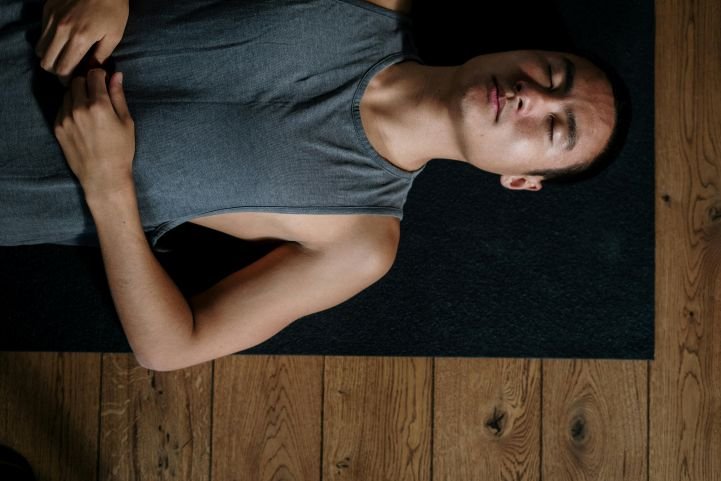
The breath is the silent teacher of Yoga Nidra. It is both a guide and a mirror—reflecting your inner state and helping you shift from stress to serenity.
When you focus on the rhythm of the breath, the mind becomes still. Each slow exhale signals the nervous system to release tension, lowering cortisol and blood pressure. Deep diaphragmatic breathing enhances oxygen flow, relaxes the heart, and promotes the production of calming neurotransmitters like GABA and serotonin.
In Yogic philosophy, breath is not just air—it’s prana, the life force. By aligning awareness with prana, you harmonize your energy field, bringing balance to the physical, emotional, and spiritual dimensions of being.
Over time, you begin to notice subtle shifts: a softer gaze, slower thoughts, and a heart that feels lighter. This heightened awareness of breath becomes a bridge to mindfulness off the mat—during work, relationships, or moments of stress.
As Gurudev Sri Sri Ravi Shankar often teaches, “The breath connects the body and mind. When you master the breath, you master your emotions.” In Yoga Nidra, this mastery happens effortlessly—through stillness and surrender.
In our fast-paced, overstimulated modern world, quality sleep has become a luxury. Chronic insomnia, late-night screen time, and elevated stress hormones disrupt our natural circadian rhythm. Yoga Nidra offers a simple yet profound solution. The practice is deeply relaxing, helping to prepare the mind and body for restful sleep.
By guiding the brain into a deep alpha–theta–delta pattern, Yoga Nidra facilitates the same restorative benefits as several hours of deep sleep—yet without the grogginess or stress associated with sleep deprivation. Many practitioners report feeling “as if they’ve slept for hours” after a 30-minute session.
For those suffering from insomnia, anxiety, or irregular sleep, incorporating Yoga Nidra into the nightly routine can transform bedtime into a sacred ritual of release. You might play a guided session as you lie in bed, letting the soothing voice carry you into tranquility.
Over time, Yoga Nidra retrains the brain to associate lying down with deep rest—not with worry or wakefulness—restoring the body’s natural capacity for... [truncated]