


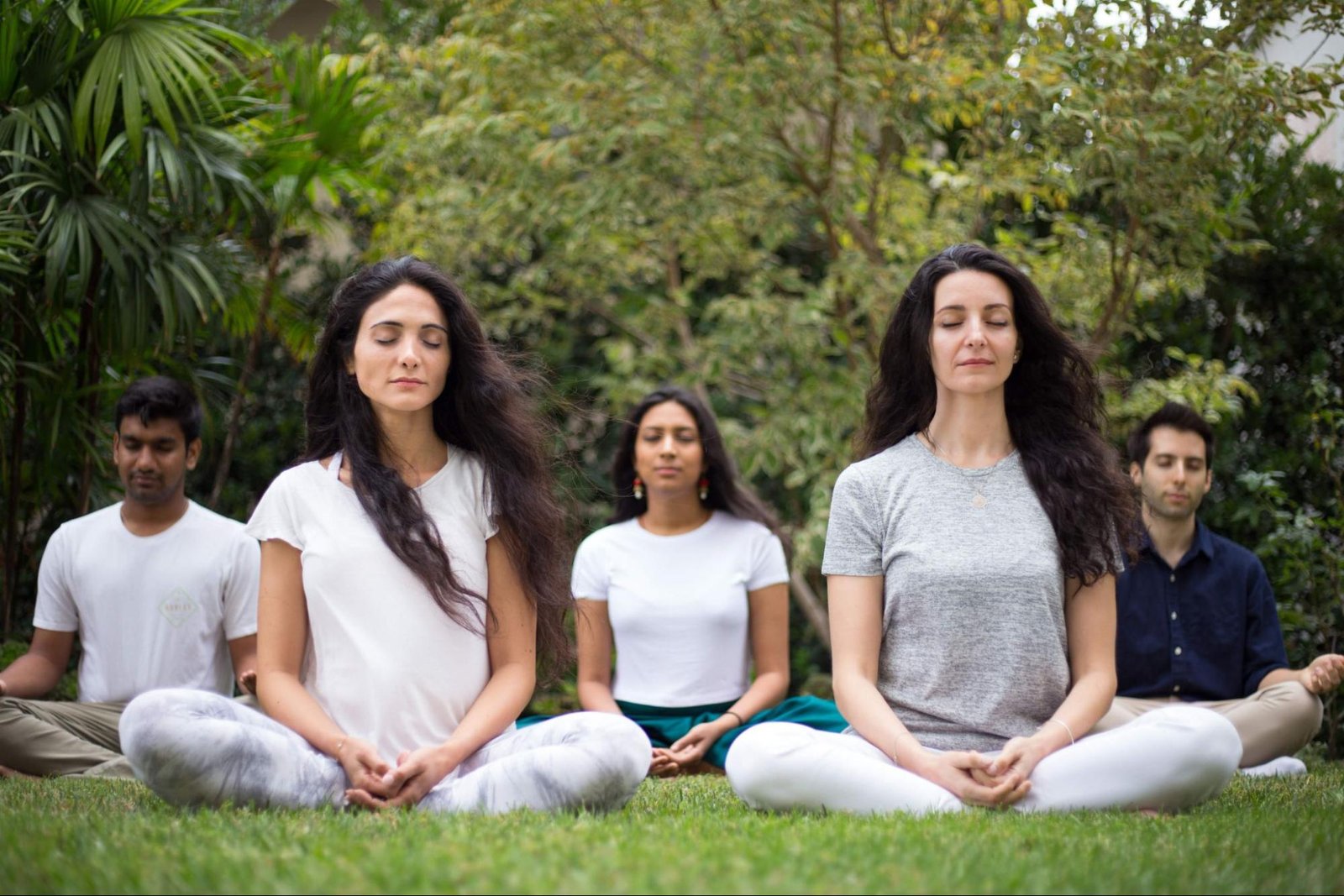
When you hear the word “yoga,” what comes to mind? For many, it’s images of people in beautiful poses, stretching gracefully on a mat. While the physical aspect is part of yoga, this picture barely scratches the surface of what yoga truly is.
Yoga is not just an exercise for the body. It is a profound practice with roots that go back thousands of years—a complete science of life that brings balance to the body, clarity to the mind, and peace to the heart.
At the Art of Living, we often say: Yoga begins with the body but goes much deeper. When practiced in its fullness, yoga becomes a way of living with awareness, connection, and joy.
To truly appreciate why yoga is more than stretching, we need to return to its beginnings. The roots of yoga go back over 5,000 years, long before it became a global wellness movement.
The word yoga comes from the Sanskrit root yuj, meaning “to yoke” or “to unite.” At its essence, yoga is about union—the union of body and mind, the union of the individual self with the universal consciousness, the union of breath with awareness. Yoga was never meant to be only physical exercise; it was conceived as a spiritual science for self-discovery and harmony.
The earliest references to yoga appear in the Rig Veda, one of India’s most ancient sacred texts. The Vedas comprised hymns, chants, and spiritual knowledge that guided rituals, meditation, and the pursuit of truth. Later, the Upanishads (philosophical writings) deepened this wisdom, describing yoga as a path of inner realization and a way to transcend the mind.
Around 200 BCE, the sage Patanjali compiled this scattered wisdom into the Yoga Sutras, a concise and profound manual for mastering the mind and attaining self-realization. In just 196 short aphorisms, he described yoga as “chitta vritti nirodha”—the quieting of the restless mind.
Patanjali presented yoga as a holistic system called the Eight Limbs of Yoga (Ashtanga Yoga):
This framework shows that yoga was always much more than physical movement. Asanas are just one limb—only one-eighth of yoga’s true expanse. The deeper limbs guide us toward a balanced lifestyle, inner peace, and ultimately, liberation (moksha).
For centuries, yoga was practiced by sages and seekers as a path of discipline and devotion. It was passed down orally from teacher to student and integrated into daily life—not separated as a fitness routine. Over time, different schools of yoga developed—Hatha Yoga, Bhakti Yoga, Karma Yoga, Jnana Yoga—each emphasizing different aspects of the practice but leading to the same goal: unity and self-realization.
In the modern era, yoga traveled westward, where its physical postures became widely popular. While this has made yoga accessible to millions, it has also created a misconception: that yoga is only about stretching and flexibility. In reality, yoga’s origins remind us it is a holistic science of living, designed to nurture body, mind, and spirit in harmony.
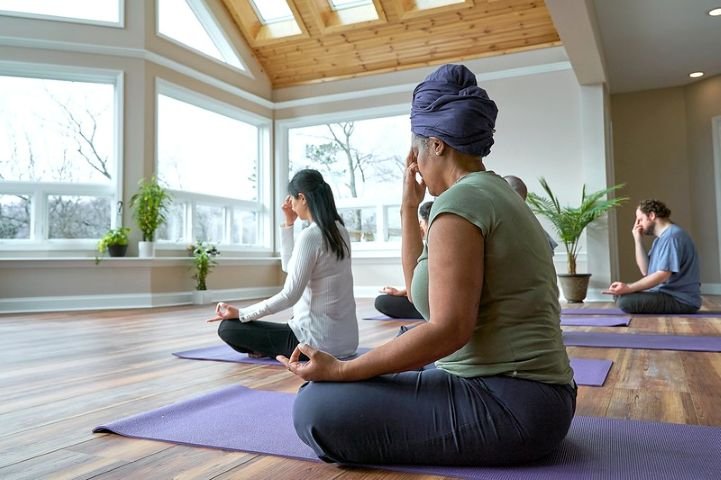
Stretching alone keeps the body limber. Yoga, however, goes further by connecting every movement with the breath and awareness.
When you flow into a yoga posture with mindful breathing, something shifts inside. The nervous system calms. The mind becomes present. Energy flows more freely.
Modern science confirms what yogis have known for centuries:
In short, stretching helps the body. Yoga heals the body, mind, and spirit together.
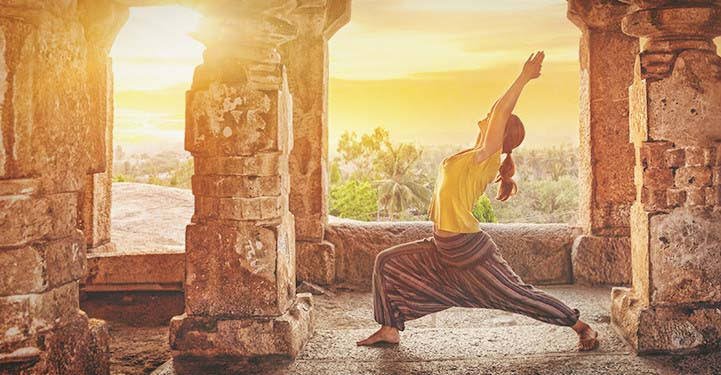
For many people today, yoga begins and ends on the mat. But in its truest sense, yoga is not confined to postures or an hour-long practice—it is a way of life.
In this way, yoga expands beyond something we “do” and becomes something we are. It is a lived experience of greater balance, joy, and connection with the world.
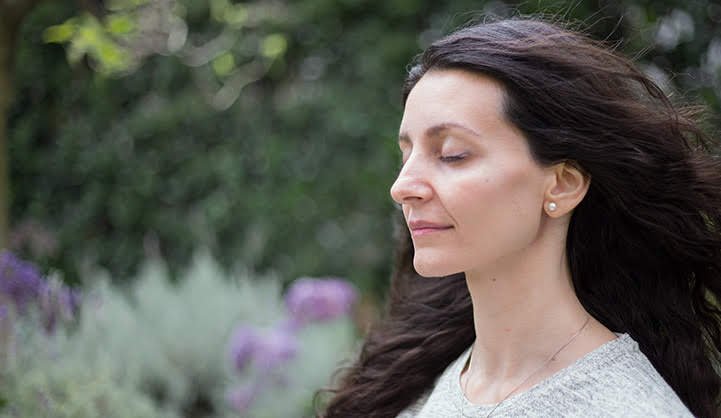
If the body is the visible thread of yoga, then the breath is the invisible one that weaves everything together. Breath (prana) is considered the life force in yogic tradition, and learning to master it is central to yoga’s deeper practice.