


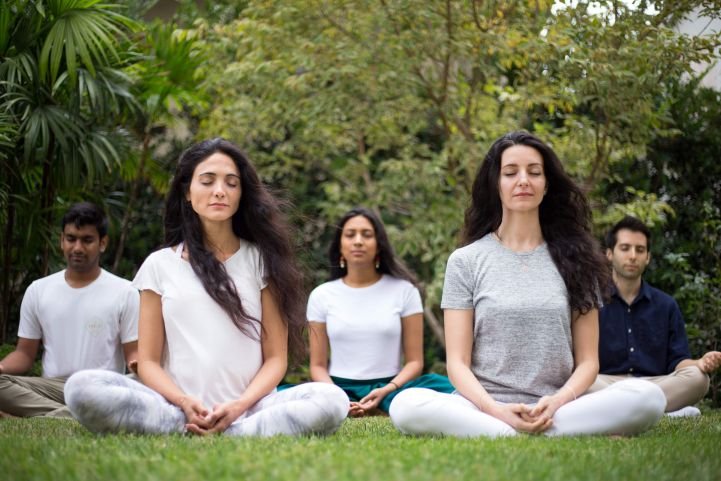
In the Art of Living, Sangha refers to the uplifting spiritual community that supports an individual’s journey of inner growth through Sadhana (daily practice), Seva (selfless service), and Satsang (uplifting company and wisdom). The Sangha is the environment that nourishes the seeker—helping them stay inspired, grounded, and connected on the spiritual path.
The Sanskrit word Sangha means “association” or “community moving together.” The Sanskrit word 'Sangha' has been used since the beginning to describe a community or assembly moving together on the spiritual path, emphasizing unity, equality, and the transmission of teachings. While often associated with Buddhist tradition, where it refers to the community of monks, nuns, and lay practitioners, the concept of Sangha has roots in many Indian traditions, including yoga, Vedanta, and Jainism. Today, spiritual communities all over the world—including Art of Living centers—embody the essence of Sangha by offering a place to practice together, share wisdom, and uplift one another.
Whether it is an Art of Living satsang group, a meditation circle, or an online spiritual community, Sangha continues to be a powerful catalyst for personal transformation and collective joy.
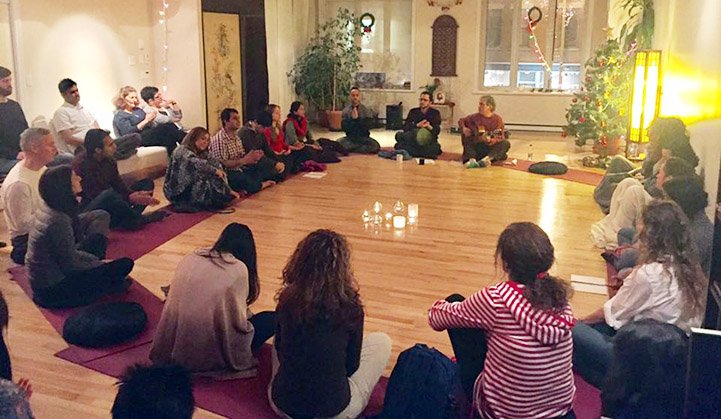
Within the Art of Living, the Sangha plays a central role in helping individuals sustain their sadhana (daily breathwork and meditation practices), remain enthusiastic in seva, and integrate spiritual wisdom into daily living. It is the context in which personal growth becomes joyful rather than solitary.
Practitioners benefit from the collective energy generated through group SKY Breath Meditation sessions, weekly satsangs, volunteer activities, and shared celebration. When the mind feels scattered, or the heart feels heavy, the Sangha becomes a refuge—reconnecting individuals with peace, clarity, and inner resilience.
In Buddhist settings, Sanghas preserve the Dharma through meditation, study, and ethical living. The Sangha is one of the Three Jewels of Buddhism, alongside the Buddha and the Dharma (Buddha's teachings), and was originally formed by the Buddha's disciples. The Sangha plays a crucial role in transmitting and embodying the Buddha's teachings. Although the emphasis differs, the shared principle remains: a spiritual community strengthens one’s ability to grow, heal, and awaken.
Across every tradition, Sangha provides a foundation for genuine transformation by offering companionship on the path.
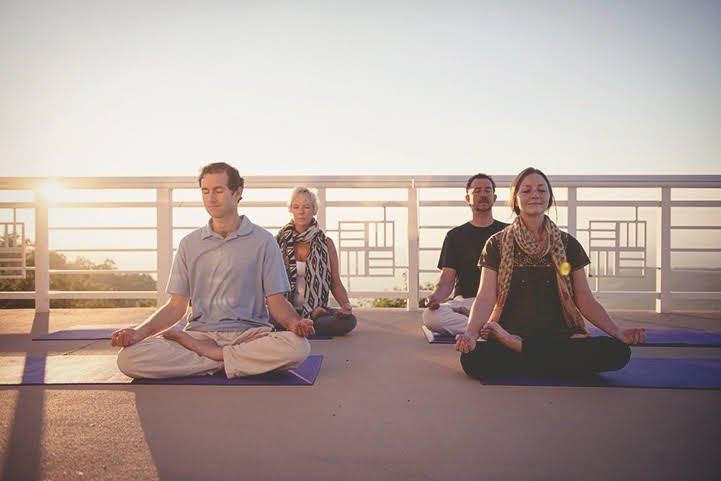
A Sangha creates a supportive container where practitioners can deepen meditation, expand understanding, and cultivate inner qualities like compassion and equanimity. In the Art of Living, Sangha life amplifies the effects of SKY Breath Meditation and their mantra-based technique, Sahaj Samadhi, making it easier for individuals to stay centered and joyful.
Practicing together strengthens inner discipline, heightens awareness and mindfulness, and provides motivation during moments of challenge.
Buddhist Sanghas emphasize mindfulness, wisdom, and liberation from suffering. The Art of Living Sangha emphasizes joy, service, celebration, and living wisdom in everyday life.
Practicing in a Sangha helps individuals stay grounded in the present moment and realize deeper truths about themselves and life.
Regardless of tradition, spiritual growth is often realized in the supportive environment of a Sangha, where each moment of practice is shared and deepened. Spiritual growth becomes more effortless when nurtured within a supportive community.
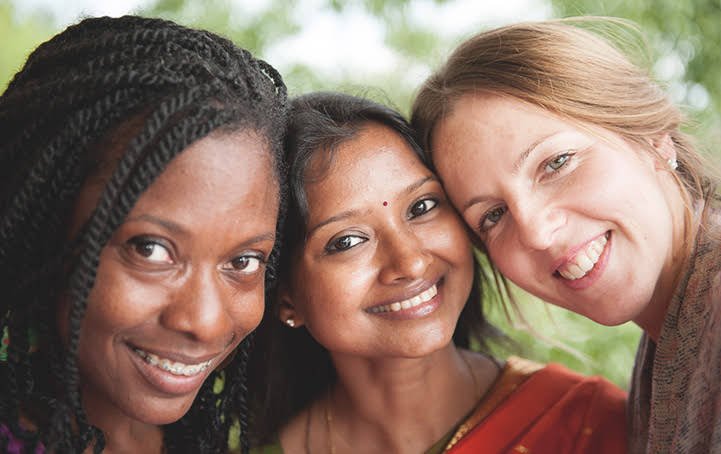
A healthy Sangha feels like a spiritual family. It is warm, inclusive, nonjudgmental, and welcoming to seekers from all backgrounds. A healthy Sangha also feels like a group of friends supporting each other on the path to happiness, where companionship and mutual encouragement are central to the community experience.
Key characteristics include:
When these qualities shine, the Sangha becomes a dynamic and nurturing environment that supports profound inner growth.
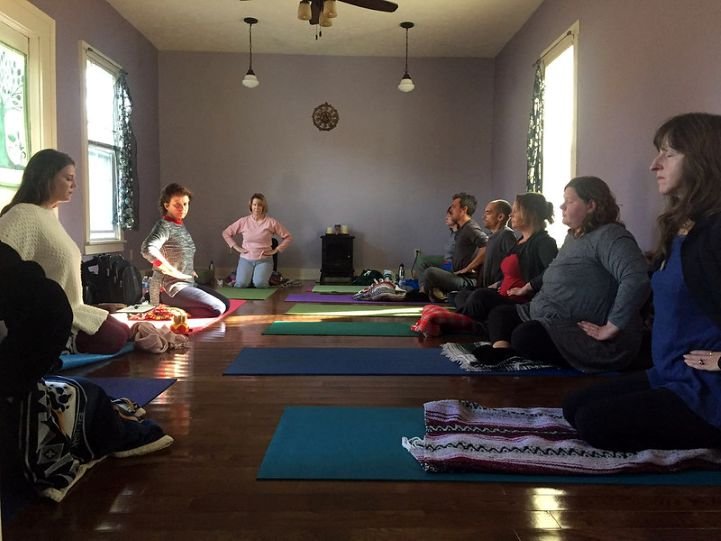
Practicing within a Sangha offers benefits that are difficult to experience alone:
Sangha members often practice mindfulness together in daily activities such as eating, walking, and resting. Mindful eating and sharing food are important aspects of community life, fostering presence and gratitude. Walking meditation and periods of rest in the supportive environment of the Sangha help cultivate awareness and inner peace.
Buddhist communities share similar benefits—clarity, mindfulness, and compassion grow naturally through collective practice. In every context, Sangha helps the seeker remain steady, inspired, and connected to purpose.

Challenges are natural on any spiritual path, and the Sangha provides a supportive environment to move through them with grace. It is common to feel afraid or vulnerable when facing personal challenges, but the Sangha offers a safe space where individuals can share and transform pain together.
Whether in Art of Living or Buddhist communities, a Sangha offers hope, clarity, and strength, helping individuals stay anchored and uplifted even during life’s difficult chapters. The support of the Sangha not only benefits each person but also extends to their loved ones, creating a ripple effect of healing and stability.
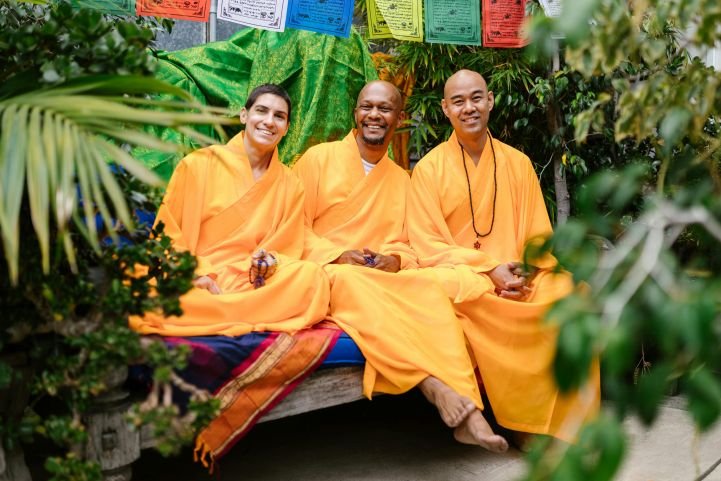
Leadership within a sangha is a vital force that shapes the direction, harmony, and effectiveness of the entire Buddhist community. Unlike conventional notions of authority, leadership in a sangha is rooted in service, compassion, and a deep commitment to the spiritual path. The role of a leader is to guide sangha members in their collective practice, inspire understanding of the spiritual teachings, and nurture an environment where everyone can develop and realize their full potential.
In traditional Buddhist communities, monks and nuns often serve as the spiritual backbone, offering guidance, teaching, and support to lay followers. The monastic sangha—comprised of ordained monks and nuns—embodies the discipline and wisdom of the Buddhist order, helping to preserve the dharma and inspire lay men and lay women alike. In Theravada and Mahayana traditions, the presence of experienced monastics provides a living example of the teachings in action, while also encouraging lay followers to participate fully in the life of the community.
Nichiren Buddhism offers a unique perspective on leadership within the sangha. The Nichiren Shoshu priesthood is entrusted with preserving and transmitting the founder’s teachings, while organizations like Soka Gakkai empower lay leaders to support sangha members in their daily practice and community activities. This blend of monastic and lay leadership ensures that the term sangha remains inclusive, allowing everybody—regardless of background or status—the same capacity to walk the spiritual path and seek enlightenment.
In the Art of Living, both volunteers and extensively trained instructors have opportunities to step into leadership roles. One of the wisdom points from The Art of Living Part 1 Course is “Responsibility is taken, not given.” The Art of Living also offers various training programs to assist volunteers in improving their skillsets.
Effective leadership in a sangha is not about control, but about fostering a sense of belonging, respect, and shared purpose. A good leader inspires by example, listens deeply, and encourages sangha members to contribute their unique gifts to the group. As Thich Nhat Hanh beautifully expressed, the sangha is a community where people come together to practice, develop understanding, and cultivate joy and compassion.
In this way, leadership becomes an act of service—helping each person, whether a monk, nun, layman, or laywoman, a volunteer or a trained instructor, to realize spiritual teachings in their own life.
In every form—traditional, lay-led, or digital—the role of leadership in the sangha is to create a supportive, harmonious environment where the collective practice flourishes, and the journey toward enlightenment is shared by all.

Sangha today takes many forms—traditional, contemporary, local, and global. Each supports spiritual growth in unique ways.