



Today, the word "yoga" is everywhere. You see it on studio signs, fitness apps, and even in corporate wellness programs. For many people, yoga has become synonymous with stretching, bending, and holding poses on a mat. While these aspects are valuable, they are only a fraction of what yoga truly is.
At its core, yoga is not just about physical exercise—it is a complete philosophy of life. Real yoga is a holistic practice that integrates body, breath, mind, and spirit. It brings balance, clarity, and purpose into everyday living. To understand what real yoga is, we must look beyond the yoga mat and dive into its origins, philosophy, and daily applications. Yoga is considered a lifelong study and practice, with emphasis on self-exploration and understanding one’s true nature.
In this article, we’ll explore the essence of authentic yoga, the wisdom of ancient texts, the science supporting it, and how organizations like the Art of Living bring yoga into practical relevance today. We will also unpack common myths, showcase personal applications, and explore how modern science has caught up with ancient yogic wisdom.
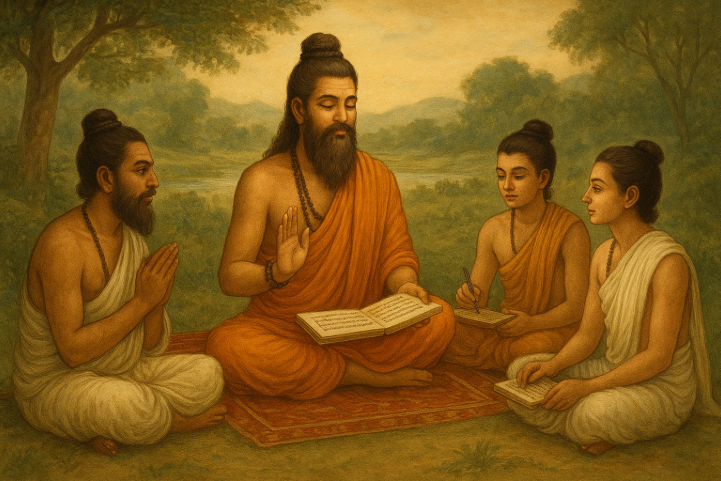
Yoga is one of the world’s oldest living traditions, dating back thousands of years. Its roots can be traced to the Vedic civilization of ancient India, where sages explored the nature of existence and the human mind. The word yoga comes from the Sanskrit root yuj, meaning "to unite" or "to yoke." At its heart, yoga is about union—the integration of individual consciousness with universal consciousness.
Perhaps the most authoritative text on yoga is the Yoga Sutras, composed by Sage Patanjali over 2,000 years ago. Patanjali distilled the vast wisdom of yoga into 196 concise aphorisms that outline yoga as a systematic path to self-realization. His work makes it clear: yoga is not simply physical postures (asanas). Instead, it is a journey inward, guiding practitioners toward peace, awareness, and ultimately liberation (samadhi).
The brilliance of Patanjali’s framework lies in its accessibility. He doesn’t present yoga as something only for hermits or saints. Instead, he gives a step-by-step roadmap that anyone can follow, regardless of their station in life. This universality is one reason why yoga has endured for thousands of years.
Another cornerstone of yogic philosophy is the Bhagavad Gita. In this dialogue between Krishna and Arjuna, yoga is described not only as meditation or physical discipline, but also as selfless action (karma yoga), devotion (bhakti yoga), and wisdom (jnana yoga). The Gita reveals yoga as a universal approach to living with purpose, not limited to a single method or practice.
The Gita’s teachings remind us that authentic yoga is dynamic and adaptable. For some, it may mean meditation. For others, it may mean service or devotion. This flexibility shows that yoga is less about rigid techniques and more about a mindset of unity.
Over the centuries, yoga has evolved into many schools and styles, ranging from Hatha Yoga’s focus on physical and energetic balance to Raja Yoga’s emphasis on meditation. Despite their differences, all schools shared a common essence: the harmony of body, mind, and spirit. Modern yoga movements often emphasize the physical side, but the roots remain deeply spiritual.
Eastern yoga often integrates mindfulness and a deeper pursuit of self-awareness, whereas Western yoga frequently focuses on physical fitness and aesthetic outcomes.
Some argue that modern yoga practices in the West often simplify or commercialize the complexities of the original traditions from which they derive. The Western perception of yoga can sometimes lead to source amnesia, where practitioners forget the cultural and historical roots of the practice.
Before diving deeper into what real yoga is, it’s essential to clear up common misconceptions. In the West, yoga is often reduced to physical exercise, trendy apparel, or aesthetic poses for social media. While the popularity of yoga has helped millions, it also risks oversimplifying a profound practice.
By understanding what yoga is not, we can appreciate its true essence: a path to inner freedom.
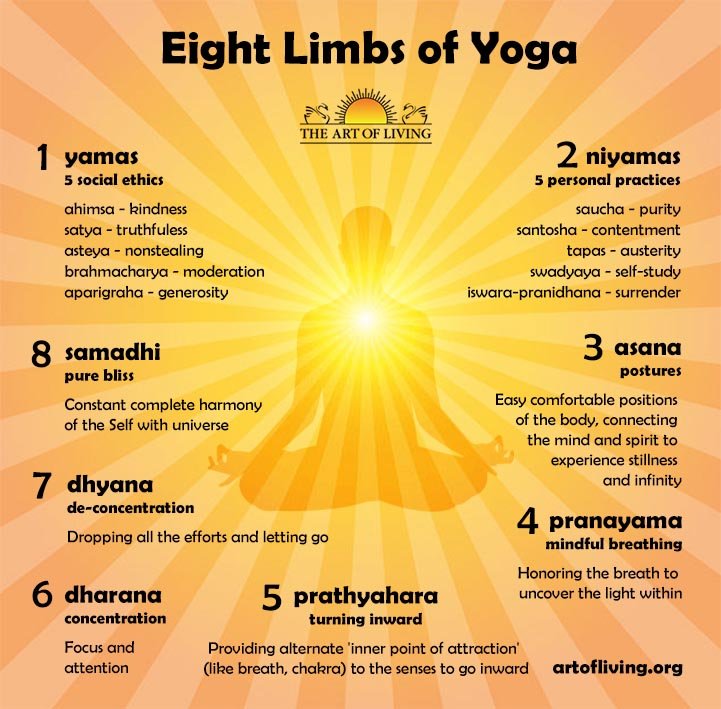
So what exactly is yoga? According to Patanjali, yoga is chitta vritti nirodha—the calming of the fluctuations of the mind. In simpler terms, yoga is a practice to quiet the endless chatter of the mind and connect with the deeper self.
Patanjali outlined yoga as an eightfold path, known as Ashtanga Yoga. These steps offer a complete framework for living consciously:
Notice how only one limb (asana) refers to physical postures. The broader picture of yoga is about cultivating harmony at every level of existence.
When practiced together, these limbs transform daily life. Ethical living builds trust and harmony in relationships—discipline and self-study foster growth. Breathwork and meditation reduce stress and reveal inner clarity. Ultimately, yoga leads us toward freedom from suffering and connection with the infinite.

Real yoga is not limited to an hour-long class. It is a way of living. Whether you’re commuting, cooking, working, or caring for family, yoga can guide your choices and bring balance.
By weaving yoga into everyday moments, we shift from reacting unconsciously to living with intention.

Workplaces are increasingly adopting yoga-based practices to reduce stress and increase productivity. Breathing techniques and mindfulness help employees stay centered, improve communication, and prevent burnout. A few minutes of yoga-inspired practice can transform workplace culture.
Yoga also transforms relationships. By cultivating patience, empathy, and presence, we communicate more consciously and connect more deeply with loved ones. In this sense, yoga becomes not just a personal practice but a shared gift.
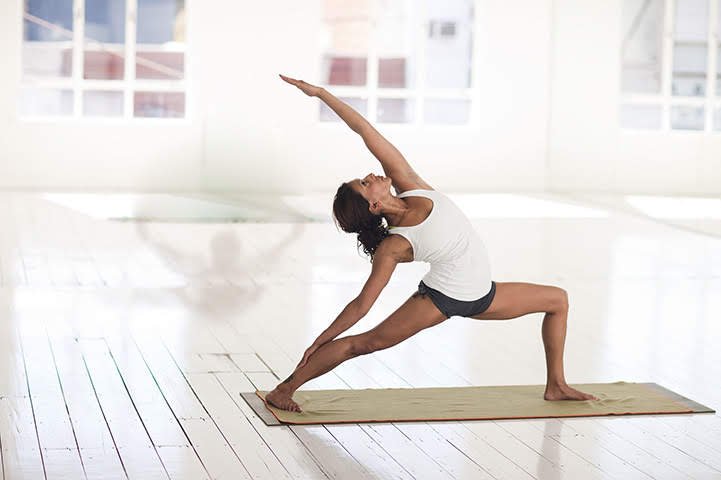
While ancient sages intuited the benefits of yoga, modern science now validates many of its claims. Researchers worldwide have investigated the impact of yoga on the nervous system, brain function, and overall health.