



Marma therapy is one of Ayurveda’s most profound healing traditions. Although it is rooted in wisdom that stretches back thousands of years, marma remains surprisingly accessible and relevant for anyone seeking natural ways to relieve stress, improve energy, and feel more balanced in daily life. Marma therapy originated in ancient India and is a foundational part of Ayurvedic medicine, developed as a traditional healing science with deep roots in Ayurvedic practices.
The term marma refers to the body’s vital energy points—107 marma points located throughout the body and one in the mind, adding up to 108 sacred centers that hold the key to physical and emotional well-being. The word marma comes from Sanskrit and highlights these vital points as both anatomical and energetic centers essential for healing and maintaining health.
In Sanskrit, marma means “hidden” or “secret,” reflecting their subtle and powerful nature. These points sit at the intersection of the physical body and the subtle body, making them sensitive access points where life force energy, or prana, gathers. When gently stimulated, marma points can release blocked energy, calm the nervous system, support emotional healing, and restore a natural sense of harmony.
Although marma points share some similarities with acupuncture points, they are unique to Ayurveda and reflect the Indian understanding of subtle energy, embodiment, and the mind-body connection. For someone new to Ayurveda, marma is a beautiful entry point into the holistic world of energy medicine. Understanding marma can enhance self-awareness and energy levels, offering transformative benefits for both body and mind.
Marma points are located where two or more bodily tissues—such as muscles, veins, ligaments, bones, or joints—meet. These intersections create highly sensitive locations that influence both the functioning of organs and the flow of energy throughout the body. Because marma points sit at these crossroads, they act like tiny energy hubs that can be activated with a gentle touch.
Traditionally, marma points are categorized as major and minor points. The major points generally align with the seven chakras, influencing foundational energy centers such as the heart, throat, or crown. The minor points extend across the arms, legs, back, and torso, forming an intricate grid of interconnected regions that support the body’s overall vitality. The points cover the entire body, both front and back, ensuring comprehensive influence over physical and energetic systems. Depending on the area, marma points can be as small as one inch or as large as six inches in diameter.
The earliest detailed descriptions of marma points appear in the classical surgical text Sushruta Samhita, where the mapping and understanding of these vital points were established in detail centuries ago. They were considered so powerful that knowledge of them was reserved for advanced practitioners. Today, this wisdom is being rediscovered by people around the world who seek gentle, natural ways to support wellness and emotional balance.
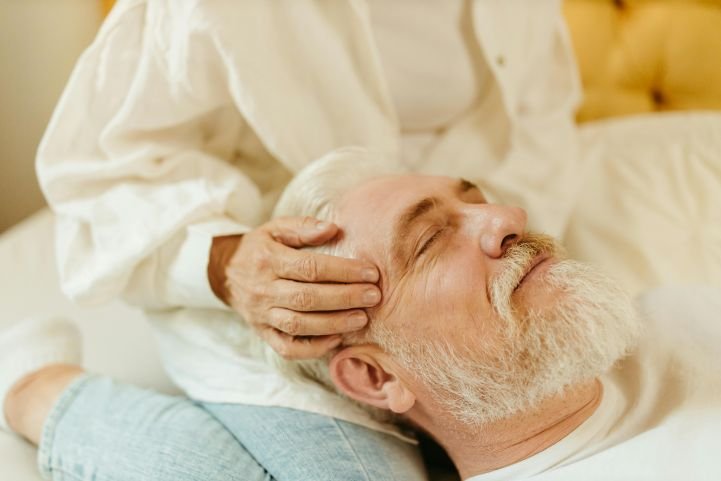
The science of marma is deeply intertwined with the Ayurvedic understanding of prana, the vital life force that animates the body and mind. In Ayurveda, prana is also referred to as 'life energy,' and it is considered essential for maintaining physical, mental, and spiritual well-being. According to Ayurveda, prana flows through subtle pathways called nadis (similar to meridians in Chinese medicine). And just as passageways within the physical body become blocked by toxins, so does the energetic body—even the tiniest of mental stresses clouds and obstructs the subtle Marma points, reducing the flow of energy. In fact, any sore point on the surface of the body is a blocked Marma. These blocked pathways may lead us to feel sluggish, anxious, or disconnected.
Marma therapy works on the principle that stimulating these vital points restores the natural flow of prana, allowing the body to return to its innate state of health. This stimulation is always gentle, never forceful. The goal is not to manipulate muscle tissue but to awaken the subtle intelligence of the body.
What makes Marma unique is its integrative approach. It does not separate physical well-being from emotional or spiritual well-being. Instead, it recognizes that the body holds impressions, experiences, and stresses — and that healing must address the whole person. Through this holistic approach, marma therapy supports healing of the body, mind, and consciousness, making it a valuable practice for overall well-being. This holistic understanding is part of why marma therapy continues to be practiced today.
Marma points are strategically mapped throughout the human body, forming a sophisticated network of vital energy centers that are essential for maintaining health and harmony. These vital points, known as marmani, are found at the intersections where muscles, bones, ligaments, nerves, and other tissues meet—making them powerful gateways for the flow of life force energy, or prana.
The classic Ayurvedic text, the Sushruta Samhita, detailed centuries ago how the 107 marma points are distributed from head to toe, with each point playing a unique role in the body’s energetic landscape. Major marma points correspond closely to the seven chakras, anchoring the body’s primary energy centers, while minor points radiate along the limbs and torso, covering both the front and back of the physical body. These points range in size from one to six inches in diameter, reflecting their varying influence and sensitivity.
Understanding the precise location of marma points is fundamental for anyone practicing marma therapy, whether as an Ayurvedic practitioner, massage therapist, or for self-treatment. By targeting specific marma points, practitioners can help release blocked energy, restore balance to the energy channels, and support the proper flow of prana throughout the entire mind-body complex. This mapping is not only rooted in ancient science but also aligns with modern anatomy, offering a bridge between traditional wisdom and contemporary therapeutic approaches.
Marma points share similarities with acupuncture points and meridian lines in traditional Chinese medicine, as both systems recognize the importance of energy pathways in healing the body. However, Ayurveda and marma therapy offer a unique perspective, focusing on the holistic integration of the physical body, subtle body, and emotional well-being. By working with these vital energy points—whether through Ayurvedic marma massage, the application of essential oils, or gentle therapeutic touch—practitioners can promote deep relaxation, pain relief, improved blood circulation, and emotional balance.
The knowledge of marma point locations empowers individuals to take an active role in their own healing journey. Whether you are seeking stress relief, support for stroke rehabilitation, or simply a greater sense of energetic balance, understanding and working with your own marma points can unlock the body’s natural capacity for self-healing. This ancient practice continues to offer a holistic approach to wellness, honoring the intricate connections between the body’s energy centers, the flow of life force, and the health of the entire being.
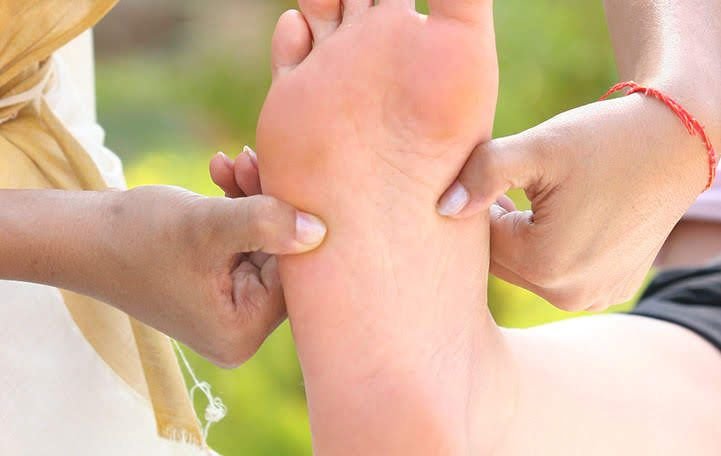
Within Ayurveda, marma therapy plays a significant role in balancing the three doshas—vata, pitta, and kapha. Each marma point corresponds to specific organs or systems and reflects the qualities of one or more doshas. For example, certain points help ground excess vata (associated with anxiety and restlessness), while others help soothe pitta (associated with irritability or inflammation) or stimulate kapha (associated with stagnation or lethargy).
Ayurvedic practitioners may use marma therapy during treatments to release energetic blockages, encourage healthy circulation, and calm an overstimulated nervous system. Because marma points serve as energetic gateways, they can also provide information about a person’s overall state of balance. Massage therapists can also integrate marma therapy into their practice for holistic healing, emotional well-being, and self-care techniques.
Marma therapy is often combined with traditional Ayurvedic practices such as abhyanga (warm oil massage), herbal applications, and pranayama (breathwork). In this context, marma becomes part of a larger therapeutic approach that supports the body, mind, and emotions simultaneously.
One of the most accessible ways to experience this is through Ayurvedic marma massage, a deeply soothing form of massage therapy rooted in Ayurvedic principles that uses intentional, feather-light pressure to activate the points. Unlike deep-tissue massage, marma massage works through subtle energy, making it suitable even for people who might be sensitive to strong physical manipulation.
Marma therapy is widely known for its calming and restorative effects, but its benefits extend well beyond relaxation. Because marma points influence both the physical and emotional layers of the body, their stimulation can encourage healing in multiple ways. Marma therapy is particularly effective in relieving physical discomfort, providing gentle, non-invasive relief for aches, pains, and musculoskeletal issues.
On a physical level, marma therapy can help relieve muscular tension, reduce chronic pain, and improve blood circulation, which in turn supports organ function and overall vitality. Many people find that marma work helps ease headaches, neck tightness, digestive discomfort, or tension in the shoulders—areas where stress often accumulates. Marma massage techniques also aim to release energy blockages, restoring the natural flow of prana and addressing sources of physical discomfort.
Emotionally, marma therapy is equally powerful. Gentle touch at these vital points can quiet the mind, soften emotional overwhelm, and help release long-held stress. Marma therapy supports the release of unresolved trauma and stuck emotions, helping to restore emotional well-being and balance. People often describe feeling lighter, clearer, and more centered after a session. The therapy’s grounding effect can promote restful sleep, encourage emotional resilience, and help soothe the nervous system.
Over time, regular marma treatments can serve as a preventive wellness practice, strengthening the flow of prana and enhancing long-term well-being. As a form of energy work, marma therapy helps maintain energetic balance and supports holistic health. When prana moves freely, we feel more connected, creative, and present in our daily lives.
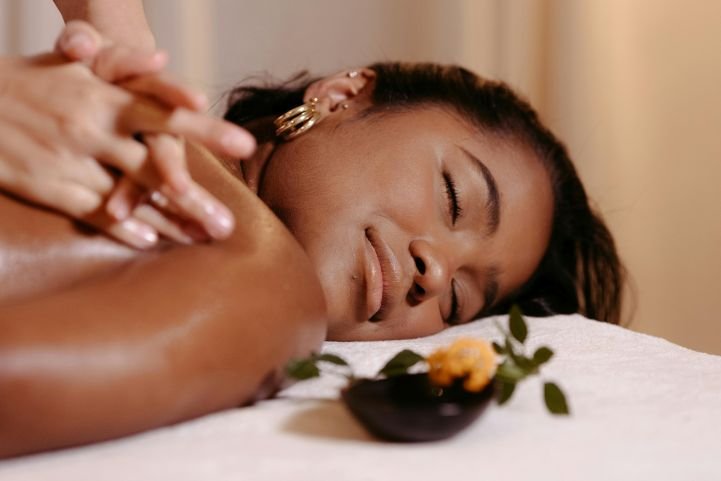
Marma massage is one of the most accessible ways to experience the healing power of marma points. This technique relies on light, rhythmic, and intentional touch rather than deep pressure. The practitioner’s hands move slowly and mindfully across marma points, inviting the body to soften and release held tension. Practitioners often use the middle finger, along with the thumb and index finger, to stimulate marma points during therapy.
Because marma massage works through the nervous system rather than through force, the experience is deeply calming. Many people enter a meditative state during a session as the body shifts from “fight or flight” into “rest and restore.”
Marma massage is often sought for stress and anxiety, but it also helps with fatigue, digestive discomfort, tension headaches, emotional heaviness, and general feelings of being “stuck” or energetically low. Marma massage can be applied to the lower extremities to promote balance and vitality. By stimulating... [truncated]