

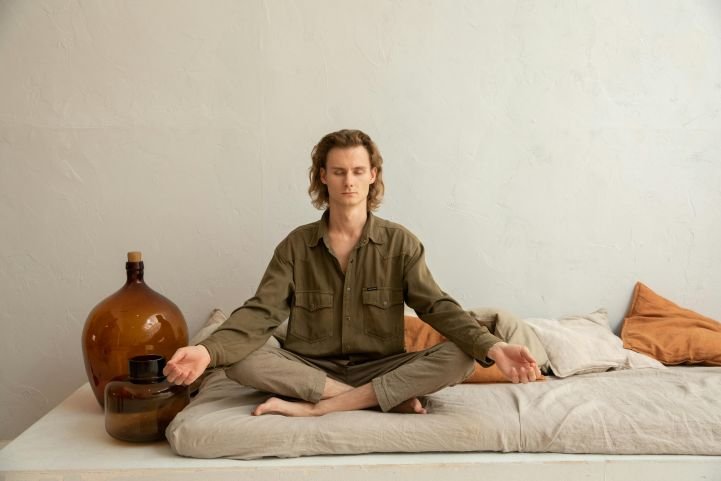
Mudras are symbolic hand gestures used in yoga and meditation to guide attention, support inner stillness, and harmonize subtle energy. There are many mudras, each serving different purposes in yoga, meditation, and spiritual practice, helping practitioners balance energies and deepen their experience. Rooted in ancient yogic and spiritual traditions, mudras work by placing the fingers and hands in specific positions that influence focus, awareness, and the mind-body connection. Mudras are believed to regulate energy flows in the body by creating energetic circuits. In Ayurveda and yoga philosophy, the fingers are associated with the five elements—fire, air, space, earth, and water—and mudras are used to balance these elements within the body. Common mudras, such as Jnana Mudra, Chin Mudra, and Anjali Mudra, are often practiced during meditation and yoga to promote calm, clarity, and balance. Mudras act as energetic switches, creating internal circuits that influence both mind and body. Because they are simple, portable, and require no equipment, mudras can be readily integrated into daily life and into deeper meditation practices, including silent retreats. Mudras are sacred hand gestures used for thousands of years in Hinduism, Buddhism, and other traditions.
Mudras are symbolic hand gestures used in yoga, meditation, and spiritual practices to influence energy flow and inner awareness. The Sanskrit word mudra means “seal” or “gesture,” reflecting the way these hand positions are believed to seal intention and direct prana, or life energy. Ayurveda, the sister science of yoga, also uses mudras to balance the body's elements.
Hasta Mudras (hasta meaning “hand”) are among the most commonly practiced mudras. By placing the fingers and hands in specific positions, practitioners cultivate focus, steadiness, and a deeper connection between body and mind. In Ayurveda, each finger represents a specific element, and mudras are believed to help balance these elements. Mudras help connect the subtle body to the gross body, providing deeper focus to whatever you're practicing. Meditation mudras are specific hand gestures that enhance meditation by focusing the mind and balancing energies.
There are hundreds of mudras described in yogic texts and spiritual traditions. Well-known examples include Anjali Mudra, Chin Mudra, and Jnana Mudra, each associated with distinct qualities such as grounding, awareness, or devotion.
When practiced regularly, mudras can support meditation, enhance yoga practice, and encourage a sense of calm, balance, and inner clarity. Gaining practical experience and in-depth knowledge is essential to a true understanding of mudras and their effects.
Mudras have ancient roots across many spiritual and cultural traditions. They appear in Hinduism, Buddhism, Indian classical dance, Tibetan practices, and even in Christian iconography and Egyptian art as symbolic gestures of teaching, blessing, or inner resolve.
In yoga and meditation traditions, mudras developed as a form of non-verbal communication—expressing intention, directing subtle energy, and supporting states of contemplation. Classical yogic texts describe mudras as tools for stabilizing the mind and refining awareness.
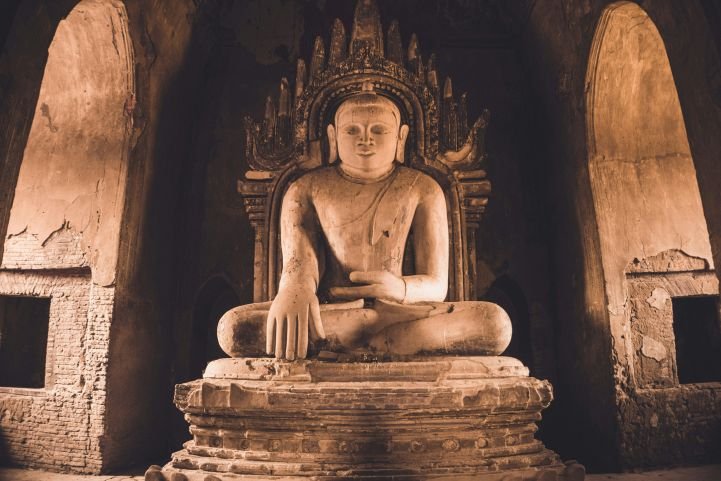
Images of the historical Buddha frequently depict sacred hand gestures, such as the Earth-witness Mudra and the Dhyana Mudra (meditation), which symbolize awakening, grounding, and inner stillness.
Mudras are generally grouped into several categories, based on how they are practiced and what they influence. There are many mudras, each with unique purposes and effects, ranging from balancing energies to supporting spiritual growth.
One important category is meditation mudras, which are specific hand gestures used to enhance meditation practice by providing a focal point, balancing energies, and deepening concentration.
Hand mudras involve specific finger and palm positions. In Ayurveda and yoga, the fingers represent the five elements: fire, air, ether, earth, and water, with each finger associated with a specific element that influences health and balance in the body. For example, the pinky finger is linked to the water element. These are the most commonly used mudras in yoga and meditation and are often held during seated practices. The arrangement of the other fingers, including the extension of the three remaining fingers in certain mudras, symbolizes distinct energies and spiritual concepts. Additionally, palms facing upwards is a common position in meditation mudras, symbolizing receptivity and openness.
Body mudras engage the entire body, including posture, eyes, or tongue. They are used to influence energy flow and deepen meditative states.
These mudras can be hand mudras or body mudras and are associated with inner awareness and spiritual insight. They are typically practiced in stillness and silence, often during longer meditation sessions or retreats.
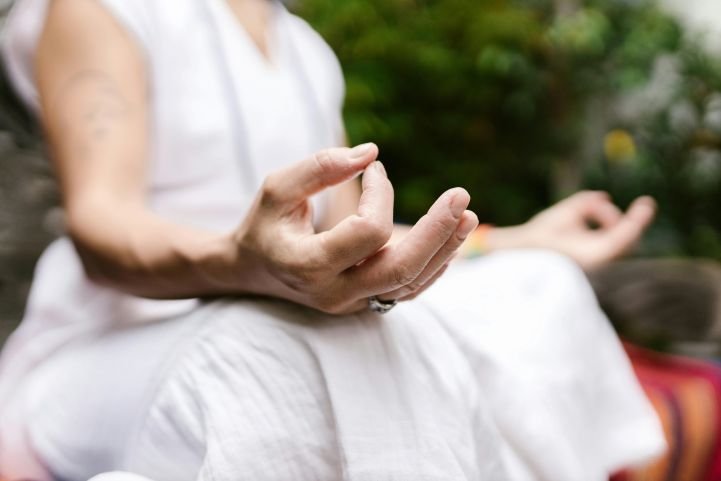
Hand mudras are formed through deliberate finger and hand positioning—such as touching the thumb and index finger, placing the palms together, or, in some mudras, such as the meditation mudra, having the thumbs touch as a key feature. Finger pressure in a mudra should be light, and the hands should feel relaxed during practice. The orientation of the palms also affects the energy: palms facing down can ground and calm, while palms facing up can energize.
In yogic philosophy, the five fingers correspond to the five elements:
By joining specific fingers, mudras are believed to harmonize the body's elemental energies.
Traditionally, the right hand is associated with solar (active) energy, while the left hand represents lunar (receptive) energy. Mudras, such as Jnana Mudra, help integrate these qualities, thereby supporting clarity and awareness.
Deepen your meditation experience
Mudras are most effective when paired with breath awareness and meditation. The Art of Living Part 1 Course teaches foundational breathing techniques and meditation practices that help prepare the mind and nervous system for deeper stillness.
Explore the Art of Living Part 1 Course →
Mudras play an essential role in both yoga and Indian classical dance. In dance, they are used to convey stories, emotions, and spiritual themes through precise hand gestures.
In yoga, mudras support asana practice and meditation by encouraging steadiness, directing attention inward, and enhancing the experience of breath and stillness. Many practitioners naturally adopt mudras during seated meditation because they help the mind settle more easily.
With consistent practice, mudras may support:
Because mudras are simple and portable, they can be practiced almost anywhere—during meditation, while resting, or even during quiet moments in daily life.
Mudras are often used alongside chakra awareness practices. Each finger is associated with specific energetic qualities, and certain mudras are traditionally linked to particular chakras.
For example, the Prithvi Mudra (thumb and ring finger together) is commonly associated with grounding and stability and is often symbolically linked to the root chakra.
Rather than forcing change, mudra practice gently encourages balance and awareness across the body’s energy system.
Mudras do not require special equipment, clothing, or long practice sessions. They can be integrated naturally into daily routines:
Over time, this gentle practice can deepen your connection to both body and inner awareness.
The hands and fingers are considered powerful tools for directing attention and energy. Through intentional placement, mudras help refine sensory input, encourage steadiness, and support meditative absorption.
Understanding how the fingers relate to elemental and energetic principles allows practitioners to approach mudras with greater awareness and intention.
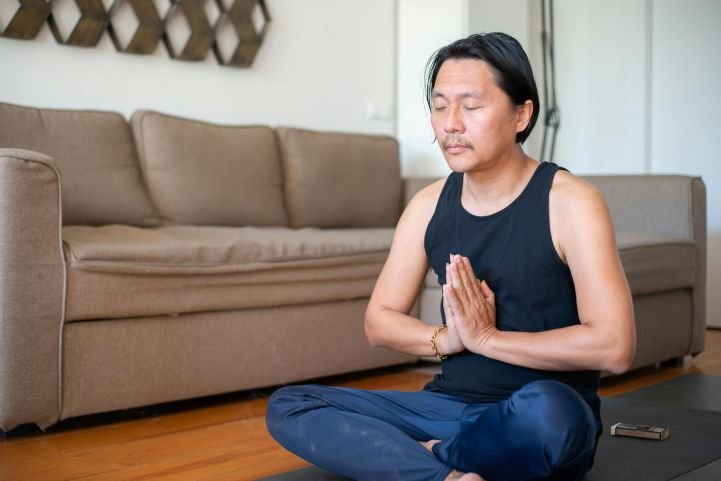
Mudras are more than just symbolic gestures—they can be powerful tools for targeting specific intentions within your yoga and meditation practice. Each mudra channels energy in a unique way, supporting everything from mental clarity to emotional balance and spiritual growth.
For example, Anjali Mudra (palms facing and fingers pointing upward toward the heart center) is often used at the beginning and end of a yoga class to connect with the heart chakra and foster gratitude and inner peace. This sacred hand gesture is a reminder to approach your practice with humility and openness.
Jnana Mudra and Gyana Mudra—both involving the thumb and index finger touching—are classic yoga mudras for enhancing concentration and stimulating the solar plexus chakra. These mudras are commonly used in meditation sessions to channel prana (life force) and promote self-awareness. Similarly, Chin Mudra (thumb and index finger touching, palms facing downward) is ideal for calming the mind and reducing stress, making it a favorite for meditation and breathwork.
If you’re seeking relaxation and balance, Vayu Mudra (index finger bent to touch the base of the thumb, with the thumb gently pressing down) harmonizes the air element in the body, supporting a sense of ease and tranquility. In Hatha Yoga, such mudras are used to direct subtle energy and deepen your connection to both body and mind.
Beyond... [truncated]