Understanding Sleep Deprivation: Causes, Effects, and Recovery
October 2, 2025
cPadgett
Learn the causes, effects, and solutions to sleep deprivation. Discover how SKY Breath Meditation can help restore rest and enhance well-being.
Introduction to sleep deprivation
In today’s fast-paced world, sleep often becomes the first sacrifice to busy schedules, constant notifications, and high stress. Sleep deprivation is a condition characterized by insufficient sleep duration or poor sleep quality, both of which interfere with alertness, performance, and health.
When lack of sleep becomes a chronic issue—routinely sleeping fewer hours than the body needs—it dramatically increases the risk of conditions such as hypertension, obesity, diabetes, weakened immunity, and cardiovascular disease.
Sleep disorders, including insomnia, narcolepsy, and obstructive sleep apnea, often fuel sleep deprivation. Yet, even without a diagnosed disorder, poor habits and stress can erode sleep quality.
Public health experts now consider sleep deprivation a global epidemic. Adults are recommended to get 7–9 hours of quality sleep each night; however, surveys consistently show that large populations fall short. Sleep medicine, a field that studies sleep disorders and treatments, emphasizes that restorative rest is not a luxury—it’s a vital foundation for human health.
Causes of sleep deprivation
While every case is unique, there are several common reasons why people fail to get enough sleep:
1. Inadequate sleep habits
Inconsistent sleep schedules, irregular bedtimes, and poor routines set the stage for deprivation. Drinking coffee or alcohol late in the day, exercising intensely right before bed, or working late into the night disrupts natural rhythms.
2. Medical conditions and medications
Chronic pain, hormonal imbalances, asthma, and neurological conditions can all interfere with rest. Additionally, medications such as antidepressants, decongestants, and steroids may fragment sleep cycles.
3. Sleep disorders
Conditions such as obstructive sleep apnea, restless legs syndrome, and insomnia directly impair sleep duration and quality. Untreated, these disorders lead to long-term health risks and daytime fatigue.
4. Overstimulation from technology
Excessive screen time, especially before bed, delays melatonin release—the hormone responsible for inducing sleep. Blue light from phones and laptops “tricks” the brain into staying awake.
5. Stress and anxiety
Mental and emotional stress is one of the biggest drivers of sleeplessness. Racing thoughts, overthinking, and physiological arousal make it challenging to fall asleep or stay asleep.
How much sleep is needed
The amount of sleep required varies with age, lifestyle, and genetic factors; however, most adults function best with 7–9 hours of sleep per night. Children and teens require even more support to facilitate growth and development, while older adults may experience lighter, shorter cycles.
Quality matters as much as quantity. A person who sleeps eight hours but rarely enters deep sleep or REM (rapid eye movement) may still wake up groggy and unfocused. These restorative stages are crucial for brain function, memory consolidation, and physical recovery.
Research insights
Sleep studies at Harvard and Yale confirm that less than six hours per night, sustained over weeks, impairs memory, reaction time, and immunity
The National Institutes of Health reports that chronic deprivation raises risks of obesity and type 2 diabetes by altering hunger hormones
Longitudinal studies show a direct correlation between poor sleep and higher all-cause mortality
In short: prioritizing sleep is not indulgent—it’s preventive healthcare.
Effects of sleep deprivation
Sleep deprivation impacts nearly every system of the body. What begins as a single restless night can snowball into long-term dysfunction when poor sleep becomes habitual. Below are the key areas affected:
1. Cognitive and mental performance
Impaired concentration and focus: Lack of sleep slows neural processing, making it difficult to stay attentive at work, in school, or while driving.
Memory lapses: Sleep is essential for consolidating short-term memories into long-term storage. Deprivation disrupts this process, leading to forgetfulness.
Slower reaction times: Studies show sleep-deprived individuals perform as poorly as those with blood alcohol levels above the legal driving limit.
Poor decision-making: The prefrontal cortex, responsible for judgment and reasoning, functions less effectively when under-slept.
2. Emotional and psychological effects
Mood disturbances: Irritability, impatience, and heightened stress responses are common after insufficient sleep.
Increased risk of mental health disorders: Chronic deprivation is strongly linked to anxiety, depression, and in severe cases, suicidal ideation.
Reduced resilience: Emotional regulation weakens, making everyday stressors feel overwhelming.
3. Physical health consequences
Metabolic imbalance: Sleep deprivation affects leptin and ghrelin—hormones that regulate appetite—leading to increased cravings and risk of obesity.
Heart and blood pressure: The cardiovascular system relies on sleep to recover. Lack of sleep raises the risk of hypertension, heart attacks, and strokes.
Weakened immune system: Sleep deprivation lowers the production of cytokines and antibodies, making the body more vulnerable to infections.
Hormonal disruption: Growth hormone release is impaired, affecting cell repair, muscle recovery, and overall vitality.
4. Safety and accident risk
Workplace accidents: Sleep-deprived workers are more prone to errors and injuries, especially in high-risk industries like healthcare and transportation.
Driving hazards: Drowsy driving accounts for thousands of crashes annually in the U.S. alone. Even “microsleeps” of a few seconds can be fatal.
5. Long-term risks and chronic disease
Neurodegeneration: Poor sleep increases the buildup of beta-amyloid proteins, linked to Alzheimer’s disease.
Diabetes and obesity: Insulin resistance increases when the body is deprived of rest.
Cancer risk: Emerging studies show that disrupted circadian rhythms may influence tumor growth.
✨ From an Art of Living perspective, these effects highlight why practices like SKY Breath Meditation matter: by calming the nervous system, reducing stress hormones, and promoting deep rest, SKY directly counteracts many of the damaging pathways triggered by sleep loss.
Sleep deprivation and the central nervous system
The central nervous system (CNS) is one of the most profoundly affected systems.
Signal disruption: Without proper rest, neurons struggle to communicate, resulting in slow response times and impaired coordination
Circadian rhythm misalignment: The body’s internal clock relies on light and darkness cues. Irregular patterns throw off hormonal regulation and energy balance
Disorders and CNS strain: Conditions like sleep apnea repeatedly starve the brain of oxygen during the night, creating both cognitive and cardiovascular strain
Therapeutic interventions: Light therapy, meditation, and structured sleep schedules can help restore balance
Diagnosing sleep deprivation
Diagnosis typically involves a combination of observation, self-reporting, and clinical testing:
Medical history and physical exam to rule out chronic conditions
Sleep diaries kept for two or more weeks to identify patterns
Actigraphy through wearable devices that track sleep and activity
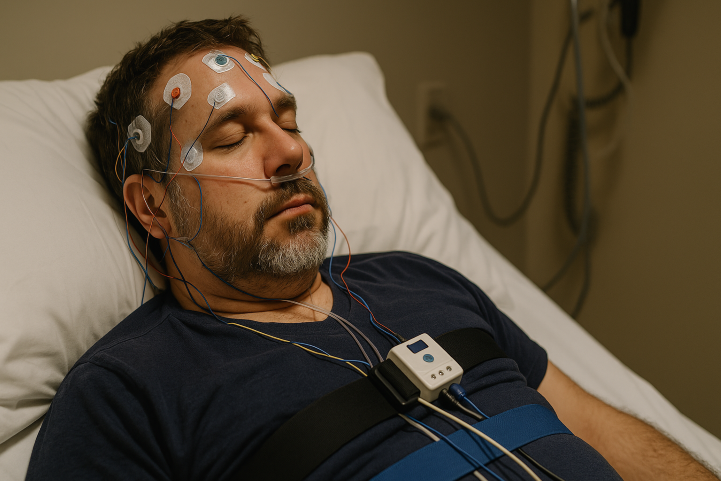
Polysomnography (sleep study) to measure brain activity, breathing, oxygen levels, and muscle movement overnight
Symptoms screening for excessive daytime sleepiness, poor concentration, and irritability
Sleep specialists often combine these tools to create a clear picture and personalized treatment plan.
Treatment and prevention of sleep deprivation
The good news is that sleep deprivation, while serious, is highly treatable. By addressing the root causes and making intentional changes, you can restore balance, improve sleep quality, and protect long-term health.
1. Practicing healthy sleep hygiene
Sleep hygiene refers to daily habits and environmental factors that influence the quality of your rest.
Consistency is key: Go to bed and wake up at the same time every day, even on weekends
Create a sleep-friendly environment: A cool, dark, quiet bedroom signals the body to wind down. Consider blackout curtains, earplugs, or a white noise machine
Limit stimulants: Avoid caffeine, nicotine, and alcohol in the evening, as they can delay or fragment sleep