

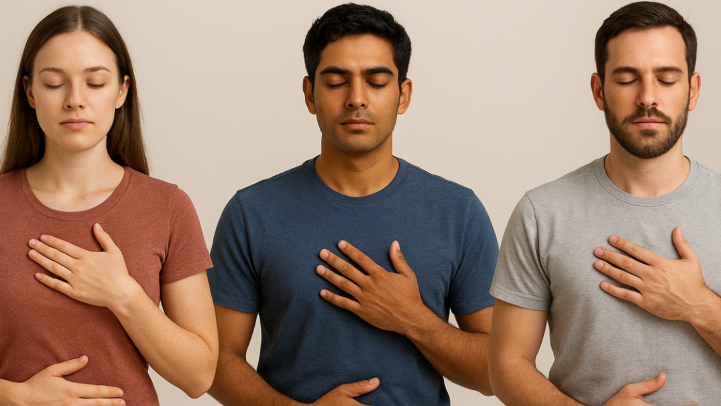
Science proves that breathwork reduces stress and anxiety. It also boosts various breathing practices that help overall wellness.
Your breath is a powerful tool that most people ignore. It's one of the most available ways to improve your mental, physical, and spiritual health. Breathwork includes various breathing techniques and exercises that affect your wellbeing significantly. Research strongly backs up how these practices benefit your body. A 2017 study showed how breathing from your diaphragm helps you focus better and feel less negative emotions.
Breathwork stands out because it's both versatile and effective. These breathing methods can improve your digestion and happiness. They promote self-love, help you sleep better, and manage pain. Box breathing is a great example. Mark Divine, a former Navy SEAL commander, created this technique in 1987. Military professionals have used it for decades. Research from 2018 about pursed lip breathing showed better results for COPD patients. Another study in 2017 found that resonant breathing improved people's heart rate and mood.
This piece teaches you different breathwork methods, including techniques from the Art of Living Foundation. These methods come from ancient yogic science, and researchers have studied their effects on wellbeing extensively. You'll find step-by-step instructions for each technique. These will help you reduce stress, sleep better, and boost your wellness trip.
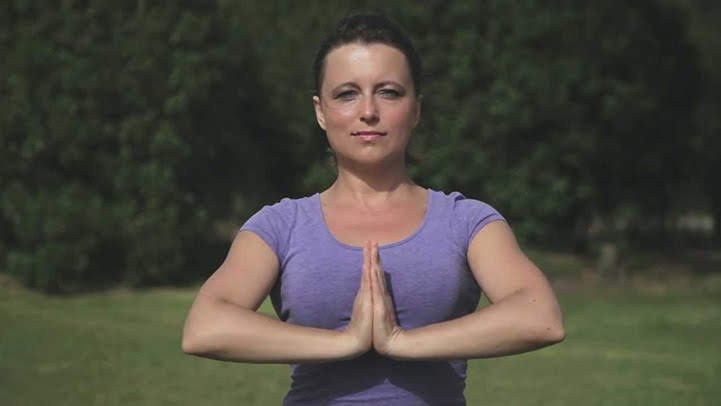
Breathwork has fascinated human consciousness for thousands of years. This practice crosses cultural and geographical boundaries with its power to transform lives. People across civilizations—from ancient India and China to indigenous shamanic cultures—have used breath control as a central part of their spiritual traditions.
The Oxford English Dictionary defines breathwork as various practices that regulate breathing patterns to promote mental, emotional, and physical health. These techniques come from different traditions worldwide, including yoga (alternate nostril breathing) and Tibetan Buddhism (vase breathing). Modern developments have also emerged from psychedelic communities and scientific researchers.
Ancient yogic practices in India made breathwork an essential part of their Ayurvedic tradition thousands of years ago. Yogis created 49 different conscious breathing practices, each designed for a specific state of mind. Pranayama—which covers many breathing exercises—helps cleanse both body and mind while encouraging balance.
Chinese traditions demonstrated breathwork through practices like qigong and tai chi. These Taoist disciplines use breathing methods to promote wellbeing, energy flow, and longevity. Shamanic communities across South America, Africa, and Australia used breathwork to heal, grow spiritually, and reach higher states of consciousness.
Breathwork's modern rise gained momentum during the consciousness-raising era of the 1960s and 1970s. Leonard Orr discovered powerful breathing techniques while experimenting in a hot tub. He learned specific patterns could access unusual states of consciousness where memories and emotions surface for release. Dr. Stanislav Grof developed Holotropic Breathwork after studying how traditional societies accessed healing states of consciousness.
Research shows promising results across many aspects of health. Scientists pay close attention to slow-paced breathing practices, suggesting several psychophysiological mechanisms that explain why they work. These include polyvagal theory, interoception, central nervous system effects, and increased heart-rate variability (HRV) through changes in the autonomic nervous system.
Studies show that breathwork can:
A single 5-20 minute deep breathing session can reduce feelings of anxiety in both young and older adults. People who practiced 15-minute diaphragmatic breathing for 20 sessions over 8 weeks showed less negative affect and lower stress markers like salivary cortisol.
The Art of Living Foundation has created several breathwork techniques based on ancient yogic science. Their flagship technique is Sudarshan Kriya (SKY Breath Meditation). They also teach Ujjayi (Victorious Breath), Bhastrika (Bellows Breath), Nadi Shodhan (Alternate Nostril Breathing), Deep Yogic Breathing, Kapalabhati (Skull-Shining Breath), and Om Chanting with Breath Awareness.
Breathwork's powerful effect on health comes from its direct influence on our nervous system. Our autonomic nervous system has two main branches: the sympathetic nervous system (SNS) that controls "fight-or-flight" responses, and the parasympathetic nervous system (PNS) that manages "rest-and-digest" functions.
Many people in the ever-changing world stay stuck in sympathetic dominance even without physical threats. This ongoing stress increases the risk of many diseases. Breathwork offers a powerful way to restore balance.
Slow, deep breathing turns on the parasympathetic nervous system, which helps people relax and feel less anxious. Breathing rhythm directly affects the balance between the SNS and PNS branches. Slow, deep breaths activate the PNS and promote calmness, while quick, shallow breathing typically activates the SNS.
This happens through several pathways. Breathing patterns change signals from the respiratory system to brain areas that control behavior, thought, and emotion. Breathing may also synchronize brain electrical activity. Slow breathing creates harmony in brain waves, which lets different brain regions communicate better.
The vagus nerve plays a vital role in this process. Polyvagal Theory shows that vagal nerves are the foundations of two-way communication between the body and brain. Since 80% of vagus nerve fibers send messages from the body to the brain, changes in breathing can quickly affect brain regions that control behavior, thought, and emotion.
Regular breathing practice stimulates the vagus nerve, which helps people relax and reduces stress. This activation counters the sympathetic system's "fight-or-flight" response. The result is a physical environment that supports healing, clarity, and well-being.
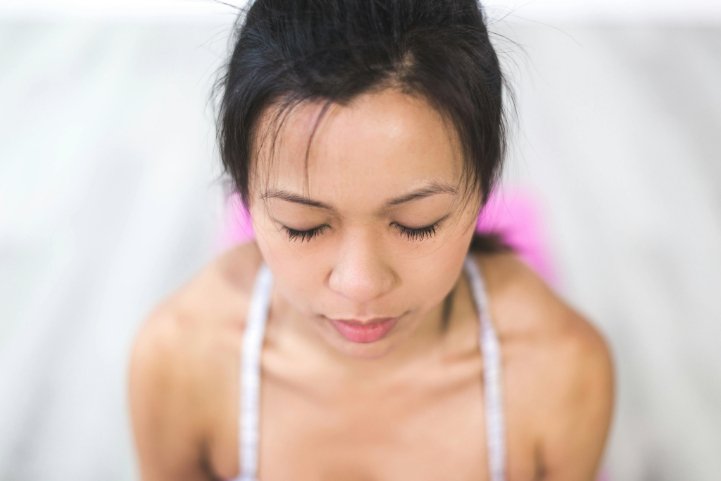
Learning to control your breath is like finding a built-in tool that helps you manage stress, focus better, and feel healthier. Let me walk you through eight basic breathwork techniques that work great for beginners. These practices are a great way to get started, and you can easily add them to your daily routine.
Navy SEALs use this technique, also called square breathing, to stay calm and focused during intense situations. The method creates a rhythm where you count each breath phase equally.
To practice box breathing:
This technique helps lower stress levels, sharpens your focus, and reduces your heart rate and blood pressure. People find it helpful before stressful events or when they want to feel more balanced.
This basic technique teaches you to use your diaphragm properly while breathing. Your diaphragm, a dome-shaped muscle at your lungs' base, plays a vital role in breathing.
To practice diaphragmatic breathing:
Your diaphragm gets stronger with regular practice. You'll breathe more slowly and your body will use oxygen more efficiently. Research shows this method lowers blood pressure, slows heart rate, and increases blood oxygen levels.
This simple method helps you control shortness of breath. You'll breathe more slowly, and each breath will work better.
To practice pursed lip breathing:
The technique releases trapped air from your lungs and keeps airways open longer. People with lung conditions like asthma or COPD find it especially helpful.
This technique comes from an ancient yogic method called pranayama and helps reduce stress and improve sleep.
To practice 4-7-8 breathing:
Dr. Andrew Weil created this modern version and calls it a "natural tranquilizer for the nervous system". It works very well before bedtime or during stressful moments.
This yogic technique, called Nadi Shodhana in... [truncated]