



Supporting your community sustainably means showing up with steadiness, not self-sacrifice. When individuals regulate stress, live their values daily, and care for their own well-being, they contribute to calmer, more resilient communities. Sustainable community support grows from consistent presence, emotional regulation, and practices—like breathwork and meditation—that prevent burnout while strengthening collective well-being.
Key takeaway: Community care is most effective when it is rooted in inner balance, sustainable lifestyle choices, and stress regulation rather than overextension.
When people ask, “How can I support my community?” the answers often focus on doing more—more volunteering, more organizing, more giving. While these actions matter, they can unintentionally lead to exhaustion and burnout.
Search trends show a growing interest in sustainable ways to support your community—approaches that help others while protecting mental health, emotional balance, and long-term well-being. This shift reflects a deeper understanding: communities thrive not just on effort, but on steadiness.
Sustainable community support begins with a different question: How can I live in a way that strengthens the people around me—consistently and sustainably?
This article explores lifestyle choices, spiritual practices, and stress-regulation tools that help you support your community without burning out—so your contribution remains meaningful over time.
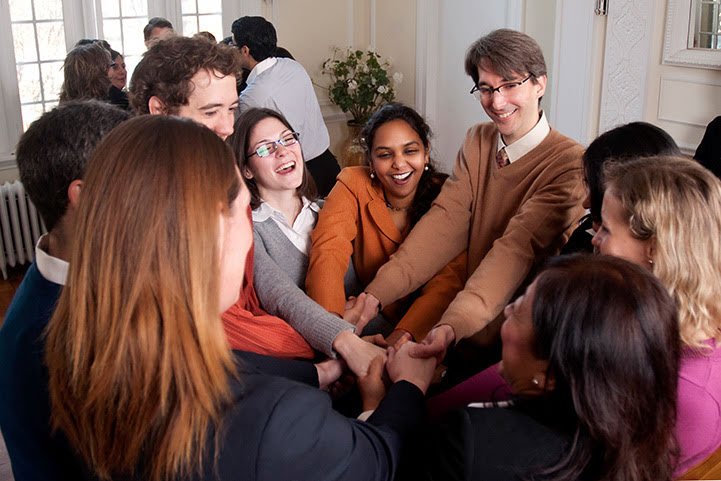
Communities are emotional ecosystems. Stress, anxiety, and reactivity spread quickly—but so do calm, patience, and clarity. Research on emotional regulation and social dynamics shows that regulated individuals help stabilize group environments.
When people operate in a chronic stress state:
By contrast, individuals with strong inner stability tend to:
This is why inner well-being supports community well-being. When individuals manage stress effectively, communities become more resilient, cooperative, and supportive.
Supporting your community does not require heroic effort. In fact, sustainable community care is built through small, consistent actions practiced over time.
Examples of sustainable ways to support your community include:
These actions build trust, which is one of the strongest predictors of healthy communities. Instead of asking, “What more can I do?” ask, “How can I show up well—again and again?”

Spirituality is often framed as something private or internal, but many traditions describe it as a lived expression of values—compassion, integrity, and service.
Viewed through this lens, community care becomes a spiritual practice:
This approach reframes community support away from obligation and toward alignment. When service flows from inner steadiness rather than pressure or guilt, it becomes more sustainable—and more impactful.
Burnout is increasingly common among people who care deeply about others. It is not a personal failure—it is a sign of unsustainable habits and expectations.
Common signs of burnout include:
Supporting your community without burnout means:
Sustainable community support grows from self-regulation, not self-neglect.
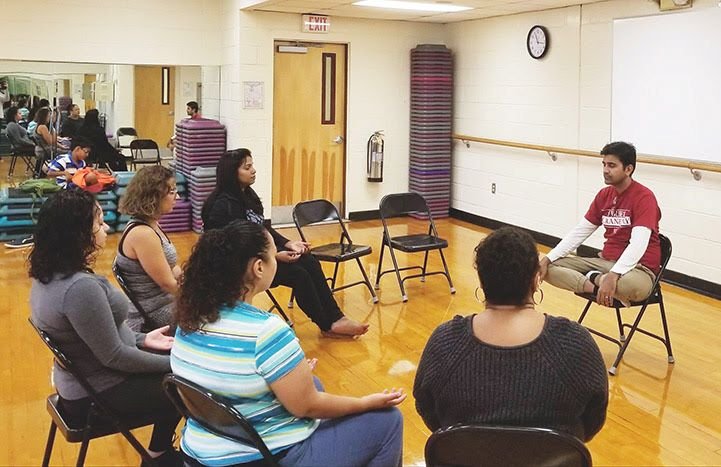
Breathwork and meditation don’t just benefit individuals—they influence the spaces we inhabit.
Regular practice can:
When practiced consistently, these tools help people show up calmer, more patient, and more present—qualities that strengthen families, workplaces, and communities.
Art of Living programs teach practical breathing techniques and meditation practices that support nervous system balance, making it easier to contribute sustainably to the world around you.
Support your community by starting with yourself.
Learn practical breathwork and meditation tools in the Art of Living Part 1 Course to build resilience, clarity, and calm—skills that naturally ripple into your relationships and community.
Meaningful community support often begins with subtle shifts rather than major commitments.
Consider starting with these sustainable actions:
Over time, these small actions shape trust, safety, and cooperation—key ingredients of strong communities.
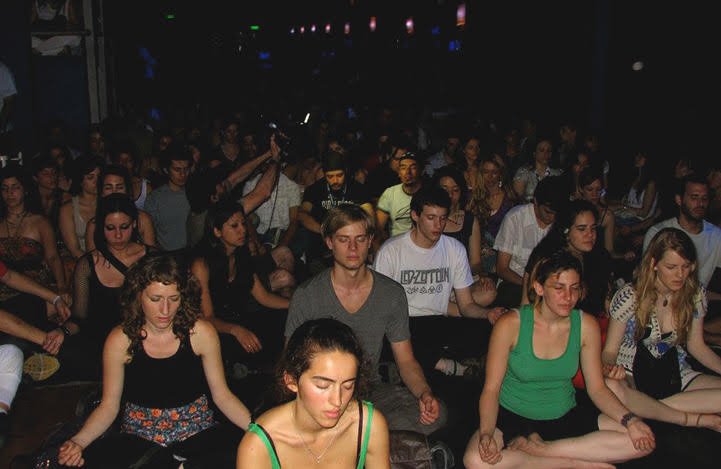
Sustainable ways to support your community are rooted in balance, not burnout. When inner well-being guides outer action, service becomes steadier, relationships grow stronger, and communities become more resilient.
By caring for your nervous system, aligning daily choices with your values, and choosing sustainability over self-sacrifice, you contribute to collective well-being in ways that last.
Strengthen your inner foundation to support the world around you.
Explore SKY Breath Meditation and Art of Living programs to cultivate calm, resilience, and clarity—qualities that naturally uplift your community.
Breathing for Stress: Techniques for Calm in Chaotic Times
Unraveling 'Crashing Out': Top Tips for Emotional Stability
Selfless Service: The Art of Volunteering and Making a Difference
Boost Your Stress Resilience: Vital Tips for Lasting Calm
You Don’t Need a New You—Just a More Regulated One
Supporting your community without burnout starts with regulating stress, setting realistic boundaries, and choosing consistency over intensity. Sustainable contribution grows when inner well-being is prioritized alongside service.
Sustainable ways to support your community include showing up reliably, listening with presence, practicing emotional regulation, and engaging in service that aligns with your values and capacity.
Inner well-being supports community well-being by improving emotional regulation, communication, and resilience. Calm individuals help create calmer, more cooperative communities.
Breathwork and meditation help communities by reducing stress reactivity, increasing empathy, and supporting nervous system balance—qualities that strengthen relationships and collective resilience.