



Living a “soft life” is often described as slowing down or doing less, but at its core, it is about reducing chronic stress and restoring nervous system balance. The soft life trend reflects a growing need to step out of hustle culture and survival mode and into a state of safety, clarity, and sustainable energy. This article explores the real meaning of a soft life, the impact of chronic stress and societal pressure, and how breathwork and meditation help cultivate genuine ease—without disengaging from responsibility or purpose.
The idea of living a “soft life” has captured widespread attention as more people reach a breaking point with burnout, anxiety, and constant pressure. Across cultures and generations, there is a shared feeling that life has become too fast, too demanding, and too mentally crowded. The soft life trend speaks to a longing for something many people have lost touch with: ease.
But ease is often misunderstood. A soft life is not about withdrawing from responsibility, ambition, or purpose. It is not about disengaging from the world or avoiding effort. Instead, it is about how the body and mind experience life from the inside.
When stress is chronic, life feels heavy even when things are going well. When the nervous system is regulated, the same life can feel lighter, clearer, and more manageable. This is why the soft life conversation ultimately leads back to stress—and to the nervous system.
The soft life is a cultural movement that emphasizes prioritizing mental, physical, and emotional well-being over constant striving. It challenges the idea that success must come through exhaustion, self-sacrifice, or relentless productivity.
At its core, the soft life values:
The term gained traction as a way for Black women to reclaim rest, gentleness, and pleasure in a world that often demands perpetual resilience. Over time, the concept resonated more broadly as people across backgrounds began questioning hustle culture and its toll on mental and physical health.
From a stress perspective, the soft life is not a trend or aesthetic. It is a physiological shift—from survival mode into a state of safety.
Many people want a softer life but find it difficult to slow down, relax, or enjoy rest. This is not because they are “bad at self-care.” It is because chronic stress changes how the nervous system functions.
When stress is ongoing, the body adapts by staying alert. This can look like:
In this state, slowing down can feel uncomfortable or even unsafe. The nervous system has learned that vigilance equals survival. A soft life, therefore, cannot be created through mindset alone—it must involve stress regulation.
Chronic stress is not just an emotional experience. It is a biological condition where the nervous system remains in a heightened state for too long. Stress hormones such as cortisol stay elevated or become mistimed, disrupting sleep, mood, energy, and focus.
Over time, chronic stress can lead to:
This is why people often feel “tired but wired.” The body is exhausted, but the nervous system does not know how to power down.
A soft life is not the absence of challenge—it is the absence of constant internal strain.
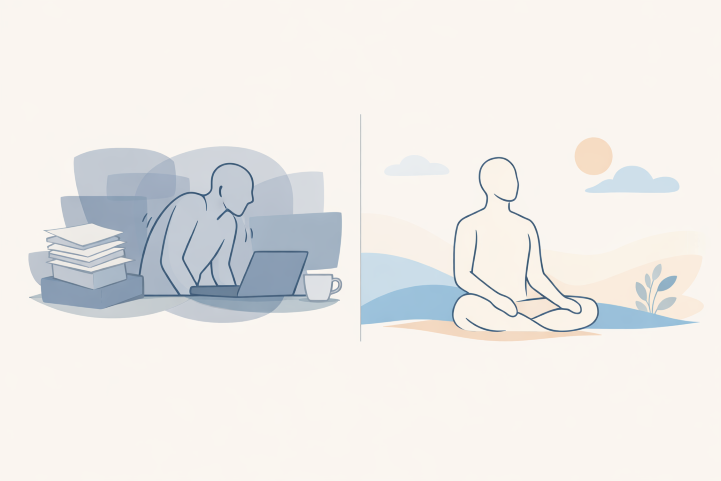
Hustle culture glorifies busyness, overwork, and constant optimization. It sends a subtle message: rest must be earned, and slowing down is a sign of weakness. Over time, this message becomes internalized.
When productivity becomes identity, the nervous system never receives the signal that it is safe to rest. Even moments of pause can trigger restlessness, guilt, or anxiety. This is not a personal flaw—it is conditioning.
From a nervous system perspective, hustle culture:
A soft life begins by questioning the belief that worth is tied to strain.
Beyond productivity, many people carry invisible expectations about how they should live, feel, and perform. These expectations can create chronic pressure even when no one is explicitly demanding more.
Common internalized expectations include:
Letting go of these expectations does not mean lowering standards or abandoning responsibility. It means recognizing that fulfillment and well-being are legitimate measures of success.
When internal expectations soften, the nervous system begins to relax. Breath slows. Thoughts become less urgent. Emotional reactions soften. This is not indulgence—it is regulation.
A regulated nervous system creates a distinct felt experience. Life does not become problem-free, but problems are experienced differently.
When the nervous system is balanced:
This state is sometimes described as restful alertness—awake, engaged, and grounded at the same time. From here, softness does not reduce capacity; it expands it.
People often discover that when they feel safer internally, they:
Self-care is often misunderstood as a luxury or indulgence. From a stress perspective, it is maintenance. The nervous system requires regular signals of safety to recover from daily demands.
True self-care supports regulation rather than distraction. This includes:
Importantly, soft living does not require dramatic lifestyle changes. Small, consistent practices are far more effective than occasional extremes.
A few minutes of conscious breathing or stillness, practiced regularly, can shift the nervous system over time.
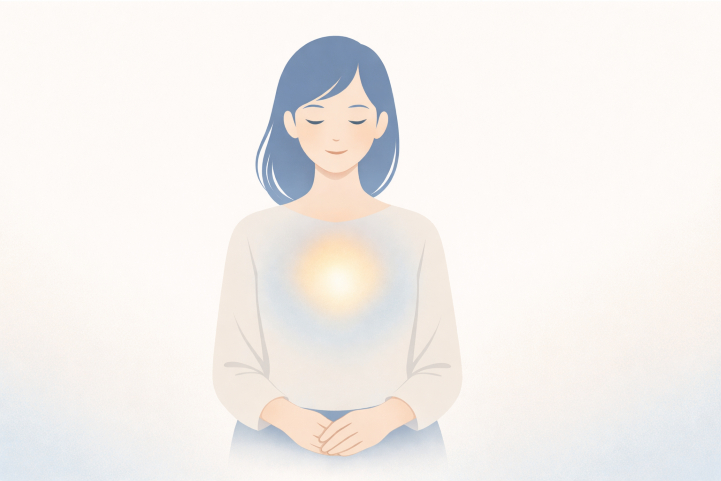
The phrase “inner dainty princess” has emerged as a playful way of naming softness, receptivity, and self-honoring. While lighthearted in tone, it reflects something deeply human.
Many people are conditioned to remain emotionally armored—always capable, independent, and resilient. This armor may once have been protective, but over time, it keeps the nervous system tense.
Embracing inner softness means allowing:
From a nervous system lens, vulnerability is not weakness. It is a signal that the body feels safe enough to relax its defenses.
When this happens, people often notice:
A soft life is not dependency or fragility. It is inner steadiness—the strength that comes from no longer bracing against life.
Breathing patterns are one of the fastest ways to influence stress. Shallow, rapid breathing signals urgency to the nervous system. Slow, rhythmic breathing signals safety.
This is why breathwork is foundational to stress regulation. Conscious breathing can:
Unlike willpower or positive thinking, breath works directly with the body’s regulatory systems. Even brief breathing practices, when done regularly, can help shift the nervous system out of survival mode.