


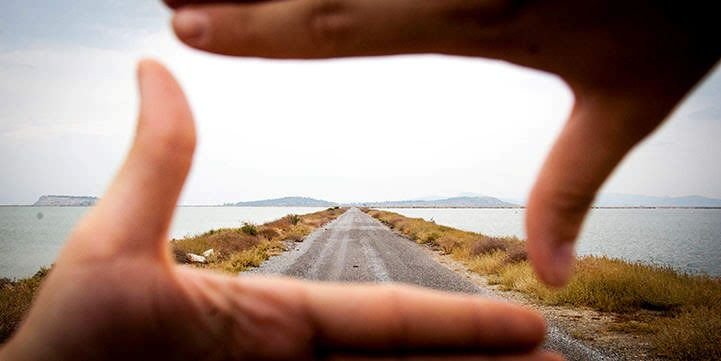
Slow traveling is far more than a trend—it’s a philosophy rooted in mindfulness, presence, sustainability, and genuine human connection. In a world where travel is often measured by how many places you can check off a list, slow travel turns that idea on its head. Instead of racing from one attraction to another, slow travelers choose to savor the experience. They walk rather than rush, stay longer rather than hop around, and listen rather than skim. By embracing slow travel, you open yourself up to authentic experiences, immersing in local culture, customs, and communities rather than settling for superficial sightseeing.
This intentional approach leads to deeper conversations, more meaningful encounters, and a richer understanding of each place you visit. You become a participant rather than a tourist. In contrast to the fast pace and stress of modern life, slow travel offers an antidote—allowing you to notice the texture of daily life, the rituals of community, and the flavor of a region’s food when it’s not rushed.
Slow travel also promotes sustainability. When you linger in local neighborhoods, support family-owned cafés, take public transportation, or stay in small community-run guesthouses, you help reduce your environmental footprint while contributing directly to the local economy.
Slow travel isn’t about how long you travel—it’s about how deeply. Whether you’re escaping for a weekend or exploring new regions for months, this mindful approach invites you to travel slowly, pacing yourself for a more grounded, nourishing, and memorable journey.
The slow travel movement grew out of the “slow living” philosophy—a cultural shift that encourages people to slow down, be present, and savor life rather than rush through it. At the heart of both is the belief that depth creates more joy than speed. Slow travel is a travel style that prioritizes immersion and flexibility over speed and checklists.
With slow travel, itineraries are flexible rather than fixed. Travelers choose immersive experiences over bucket lists. They value spontaneity—wandering into a quiet alley, joining a neighborhood festival, or sitting by a lake just because it feels right. They spend more time observing daily life, listening to personal stories, or enjoying a simple meal shared with strangers who become friends.
Slow travel also encourages ethical tourism. Mass tourism often strains local resources, displaces communities, and reduces cultural authenticity. Slow travel counters this by spreading out impact—visiting lesser-known areas, using local services, and respecting local customs.
Through this approach, travelers see not just the “best places,” but the real places: their heartbeat, their rhythms, their challenges, and their beauty.
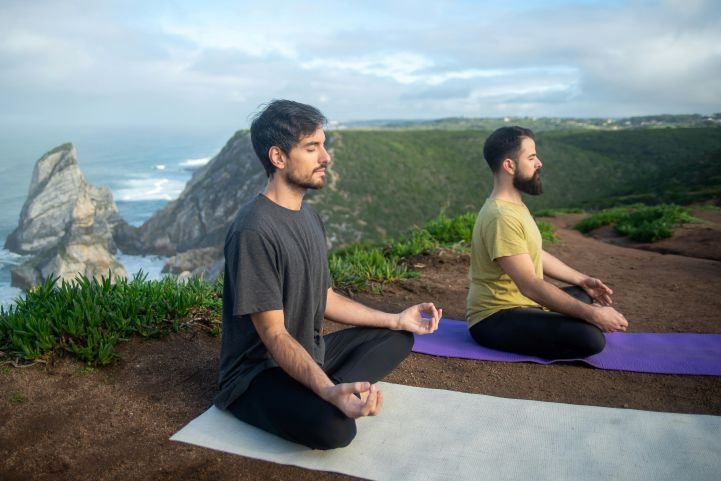
Thoughtful preparation sets the foundation for a meaningful slow travel experience.
Start by researching your destination—not just attractions, but neighborhoods, customs, seasonal events, transportation systems, and cultural norms. Learn the basics of the local language, especially greetings and expressions of gratitude. These small gestures open hearts quickly.
When planning your itinerary, avoid overbooking. Aim for a balanced itinerary that balances planned activities with spontaneous experiences, so you can enjoy sightseeing while also leaving space for unexpected discoveries. Slow travel works best when spaciousness is built in. A flexible schedule gives you room to follow curiosity—like staying an extra day because you met a local artisan who invited you to their studio, or changing plans after discovering a breathtaking nearby trail.
Choose destinations that resonate with your interests—art, food, nature, meditation, history, spirituality, architecture, or wellness. Aligning your interests with your environment naturally leads to deeper immersion.
Doing your homework doesn’t lock you into a rigid plan; it creates the foundation for meaningful spontaneity.
The magic of slow travel often lies in places that aren’t on the usual tourist maps. Exploring destinations off the beaten path offers a more authentic experience, inviting intimate exploration and encouraging genuine cultural exchange.
Some ideas include:
Instead of hopping from highlight to highlight or getting caught in tourist traps, slow travel encourages you to seek out lesser-known, authentic places that give you space to breathe and explore in a relaxed, meaningful way.
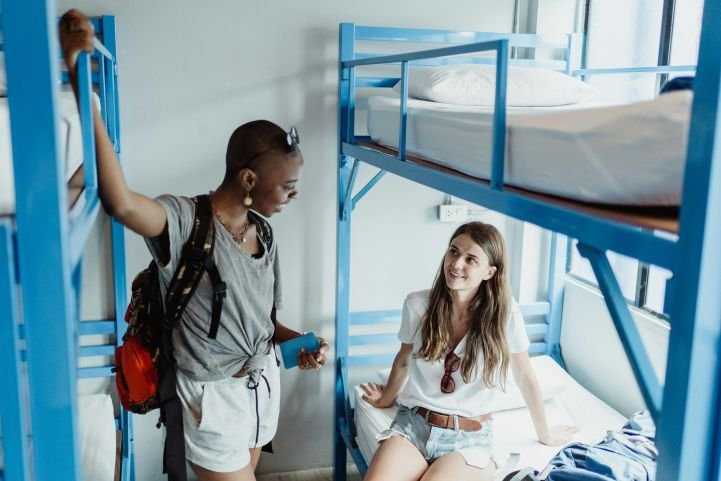
Where you stay shapes how you experience a place. Slow travel invites you to stay somewhere that feels like home—comfortable, local, intimate.
Great options include:
Living in residential neighborhoods also gives you access to community life—children walking to school, elders strolling in parks, the aroma of bread or spices drifting from nearby kitchens. Sharing accommodation or participating in house exchanges lets you connect with other travelers, enriching your experience even more. These everyday moments often become the most treasured memories of a trip.
Staying in one place for an extended period deepens your connection. Instead of merely visiting a neighborhood, you become part of it for a time—greeting familiar faces, discovering favorite spots, and feeling a sense of belonging.
One of the greatest joys of slow travel is cultural immersion. This is how places truly come alive.
Ways to immerse deeply:
When you allow yourself to learn from the people who call a place home, your experience shifts from observing to participating.
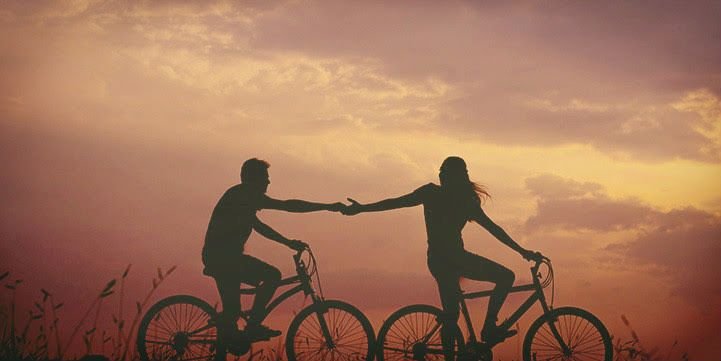
Slow transportation is part of the joy of slow travel. The journey itself becomes an experience rather than an inconvenience.
Consider:
Slower forms of transport lower your carbon footprint, reduce stress, and help you experience the world with more presence.
Mindful exploration transforms every day of travel into an act of awareness and wonder.
Ideas to bring more mindfulness into your journey:
Mindful exploration means being fully present—feeling the texture of a cobblestone street, noticing the scent of local spices, listening to church bells or temple chants, or watching sunlight shift across a landscape.
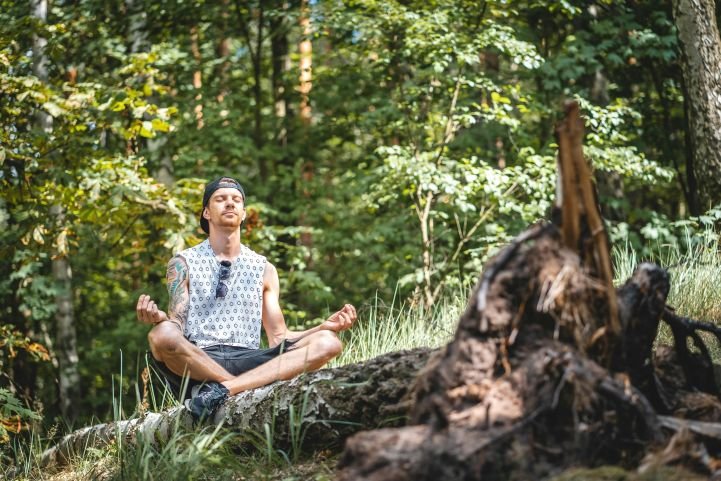
Slow travel naturally draws you toward nature. Spending time outdoors slows your pace and awakens your senses.
Consider: