


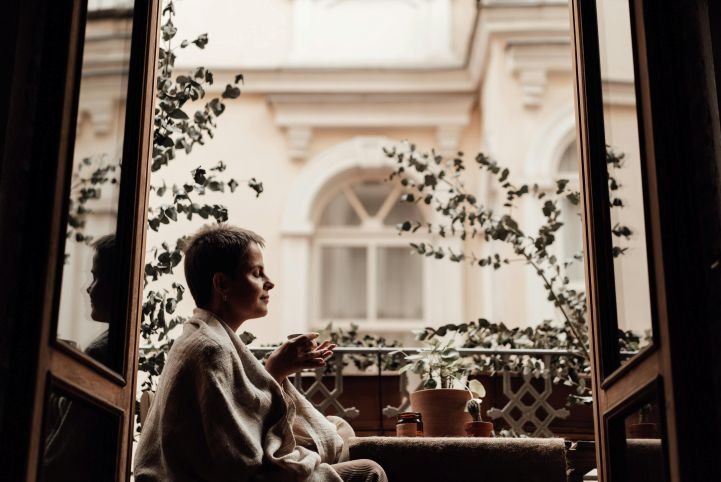
A home retreat is an intentional pause—a chance to step out of your usual routines and create a space for rest, reflection, and renewal without leaving your house. Instead of traveling to a wellness center, you design your own retreat experience using simple practices like meditation, gentle yoga, journaling, and mindful rest. Many of us lead busy lives, and a retreat from home is designed to fit into even the most hectic schedules.
When life feels full or overwhelming, a retreat from home can make a meaningful difference in your well-being. Sometimes, a retreat is just what you need to relieve stress or find balance. Taking this time for yourself can be extremely healing, offering profound restorative benefits for your body and mind. With thoughtful planning, even one day set aside for yourself can help calm the nervous system, clear mental clutter, and reconnect you with what matters most.
A home retreat doesn’t need to be elaborate. With a few clear ideas and a willingness to slow down, you can create a nourishing experience that supports both relaxation and personal growth. Even a simple home retreat can make such a difference in your mental, emotional, and physical well-being.
A personal retreat can be as short as a few hours or extend over several days, depending on your needs. This flexibility allows you to tailor your retreat to fit your unique schedule and goals.
Creating your own retreat at home is one of the most accessible forms of self-care. It removes many of the barriers that keep people from prioritizing rest—cost, travel, time off work—while still offering real benefits.
A home retreat allows you to:
Because you’re in your own space, the practices you explore during a home retreat are easier to integrate into everyday life. This means you can more naturally incorporate these habits into your real-life routines, supporting ongoing well-being beyond the retreat itself. Over time, this can lead to better emotional balance, improved clarity, and a greater sense of ease. Engaging in personal retreats can also lead to increased focus, a sense of accomplishment, and greater confidence.

Getting started with your own wellness retreat at home can make a huge difference in your well-being, even if you only have a few minutes to spare. Begin by setting a clear intention for your retreat—whether you’re seeking self-reflection, deep relaxation, or a spark of creative thinking. Take a moment to create a quiet space that invites inward stillness, such as a cozy corner for your meditation practice or a peaceful spot in your backyard. Enhancing your environment with nature sounds, essential oils, or a warm bath can help your body and mind settle into a state of calm. Remember, the goal is to create a dream retreat that supports your well-being and allows you to stay present. With just a little planning, your retreat at home can become a sanctuary for rest, renewal, and personal growth.
Begin by asking yourself what you need most right now. Rest? Emotional reset? Mental clarity? A deeper meditation practice? Your intention serves as the foundation for your retreat and guides your choices throughout the day. Setting a clear intention helps you focus and creates the mental space needed to fully immerse yourself in your retreat from home.
Select activities that help you relax and reset, such as:
Taking time for journaling can be a restorative practice during your retreat.
Avoid over-scheduling. A retreat is not about productivity—it’s about presence. Practices such as yoga and mindful movement can help relieve tension, allowing you to relax and reset fully.
A loose structure helps you stay focused without feeling rigid. Here’s a sample schedule to illustrate how you might structure your retreat from home:
Leave space for flexibility and spontaneity. Some of the most meaningful moments happen when you allow yourself to simply be.

Your environment plays a powerful role in how relaxed and supported you feel—preparing your space signals to your mind and body that this time is different from an ordinary day.
Start by decluttering the area you’ll use most. Then consider adding:
Personal touches—an inspiring quote, a meaningful object, or a journal—can help make the space feel intentional and grounding. The goal is not perfection, but simplicity and ease.
How you start your day sets the tone for everything that follows. A mindful morning ritual helps shift your nervous system out of urgency and into awareness. The first hour after you wake is especially important—keeping it screen-free can promote mental clarity and a calm start to your day.
You might begin with:
Mindful eating practices can enhance the sensory experience of meals and improve digestion. Even a simple act, like setting an intention or taking a few deep breaths, can have a meaningful impact on your day.
Choose a nourishing breakfast that feels light and supportive. Eating slowly and mindfully reinforces the retreat atmosphere and helps you stay present.
To support your overall well-being, establish a relaxing bedtime ritual to improve sleep quality during the retreat. Quality sleep is the foundation of overall well-being and health. Practices like yoga nidra meditation can help you fall asleep more easily and establish a calming nighttime routine.
Mindfulness is at the heart of any retreat. Rather than trying to “do” mindfulness perfectly, simply practice noticing—your breath, your body, your thoughts, your emotions. Staying in the present moment during mindfulness practices helps reduce stress and enhances self-care. Creating a mindful experience through intentional, present-focused activities can deepen your retreat and foster greater self-awareness.
Throughout the day:
You can also incorporate additional retreat-like activities, such as spontaneous art or creative practices, to enrich your experience and personalize your retreat-from-home experience.
Self-care during a retreat isn’t indulgent; it’s restorative. By listening to your needs, you create conditions for genuine renewal.
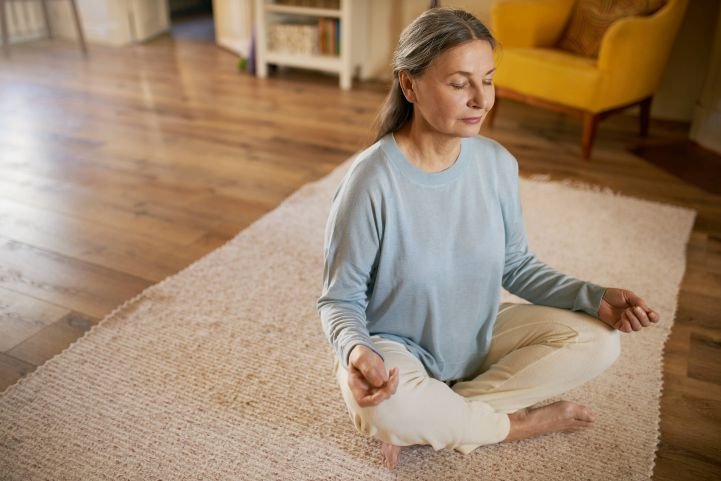
Intentional relaxation supports both mental and physical well-being. During your home retreat, you may explore techniques such as:
Many people find that learning SKY Breath Meditation offers a powerful way to access deep rest while also building resilience. This evidence-based breathing practice supports the nervous system and can help maintain a sense of calm long after the retreat ends.
Deep relaxation practices can be extremely healing for both the body and mind, helping you reset and recover.
Relaxation isn’t something you have to earn—it’s a biological necessity that allows your system to reset and recover.
Bring the calm of a retreat into everyday life
A home retreat can help you reset—but learning a consistent, evidence-based breathing practice can help you sustain that calm long after the day ends. SKY Breath Meditation is a guided breathing practice designed to support the nervous system, reduce stress, and restore mental clarity. Many people find it helps them feel grounded even during busy or demanding seasons of life.
👉 Explore SKY Breath Meditation and learn how to access deep rest anytime.
Sustaining momentum during your at-home retreat is all about finding a rhythm that feels natural and restorative.... [truncated]