


Mindfulness meditation for anxiety provides a powerful way to calm racing thoughts and find inner peace. This practice traces back thousands of years. Today, modern science views ancient meditation as a powerful tool for reducing stress. The practice offers calm and balance. This helps improve emotional well-being and health.
Anxiety can cloud our minds. Meditation activates the brain's "relaxation response" at these times. The body's stress response diminishes, creating a state of calm that significantly reduces anxiety symptoms. Research indicates that well-structured programs, such as Mindfulness-Based Stress Reduction (MBSR) and Mindfulness-Based Cognitive Therapy (MBCT), can effectively reduce anxiety symptoms; these programs also lower depression relapse rates. A 1992 study in the American Journal of Psychiatry revealed that MBSR reduces symptoms of anxiety and panic. This holds even for people with generalized anxiety disorder.
In this piece, we'll explore the hidden aspects of mindfulness meditation for anxiety. We'll uncover the neurological workings and share practical techniques you can start using today. One of the things I love about meditation is its ability to calm an anxious mind. This piece will help you utilize this powerful tool, whether you're new to meditation or looking to deepen your practice. The ultimate goal remains the same: achieving greater peace and emotional balance.

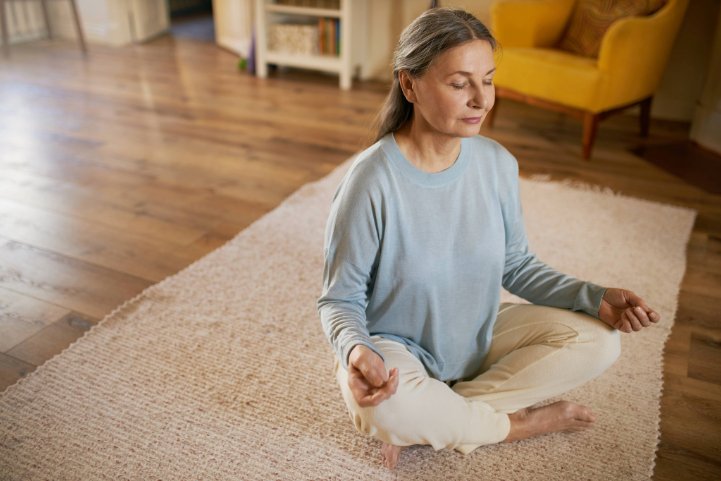
Mindfulness meditation is a powerful mental training tool. It helps you slow down racing thoughts and calm your mind and body. You start by sitting comfortably and focusing on your breathing. The practice brings your attention to the present moment without letting your mind drift to past or future worries. This method blends meditation and mindfulness. You stay present and notice your thoughts and feelings without judging them.
Your mental and physical states share a powerful relationship through the mind-body connection. Thinking about a lemon makes your mouth pucker. It’s also why you feel butterflies in your stomach before speaking in public. Research indicates that thoughts and emotions create real physical responses in our bodies.
Your body enters a state of high alert during anxious periods. This often shows up as headaches, digestive issues, or muscle tension. Mindfulness meditation strengthens your mind-body connection. You become more aware of these physical sensations and learn to spot anxiety's warning signs early.
Mindfulness practices help you develop interoception - your ability to sense your body's internal state. This improved body awareness becomes a powerful tool to manage anxiety. You become fluent in recognizing physical tension and learn to release it consciously.
Anxiety creates unproductive worry cycles that feel impossible to break free from. Dr. Elizabeth Hoge, a psychiatrist at Massachusetts General Hospital, explains that "people with anxiety don't deal very well with distracting thoughts that have too much power. They can't distinguish between problem-solving thoughts and nagging worries that have no benefit".
Mindfulness meditation tackles this head-on. The practice trains you to observe thoughts without getting caught up in them. You learn to see anxious thinking patterns as passing mental events rather than part of who you are. Dr. Hoge points out that mindfulness teaches you to recognize, "Oh, there's that thought again. I've been here before. But it's just that, a thought, and not a part of my core self".
A small study from the University of Waterloo found that only 10 minutes of mindfulness can reduce ruminative thinking. Mindfulness creates space between you and your anxious thoughts through compassionate observation. This allows reality to step in.
Your brain's amygdala—an almond-shaped structure—processes emotions and coordinates stress responses. This structure functions as your brain's alarm system, constantly scanning for potential dangers.
Mindfulness meditation changes how this alarm system works. Studies using functional MRI scans have shown decreased amygdala activation in response to emotional stimuli following mindfulness training. The practice enhances connections between your prefrontal cortex (associated with rational thought) and limbic regions (involved in emotion processing). This leads to better emotional control.
These brain changes explain why mindfulness reduces anxiety. Researchers at Massachusetts General Hospital found that mindfulness-based stress reduction (MBSR) lowers anxiety symptoms. It achieves this by altering how the brain processes worried thoughts. The practice stops the stress cycle by activating the parasympathetic "rest and digest" nervous system. This counteracts your fight-or-flight response.
Mindfulness practice helps lower cortisol, the main stress hormone. It also reduces inflammatory markers tied to chronic stress. These physical changes send signals to your brain. They reinforce a sense of safety and calm that becomes your natural state with consistent practice.
Scientific research shows that mindfulness meditation helps people who struggle with anxiety. The evidence supporting mindfulness as a tool to manage anxiety keeps growing. This offers hope to millions who need relief from anxiety symptoms.
The body's stress response system relies on cortisol, a hormone produced by the adrenal glands. High cortisol levels can harm many physiological systems. Research has proven that mindfulness meditation effectively lowers this stress hormone.
The Shamatha Project at UC Davis found that higher mindfulness scores are connected to lower cortisol levels. Individuals who underwent meditation training and became more mindful exhibited lower cortisol levels.
Medical students in a controlled study observed a decrease in their average serum cortisol levels, from 381.93 nmol/L to 306.38 nmol/L, after practicing mindfulness meditation. These results indicate that mindfulness meditation might reduce the risk of stress-related issues. This includes conditions like psychiatric disorders, peptic ulcers, and migraines.
The process is simple: when people focus on what they sense in the present moment, they worry less about the past or the future. This shift reduces cortisol release.
Mindfulness meditation helps individuals manage their emotional experiences more effectively. This might be one of its most valuable benefits.
Mindfulness changes emotional regulation in several ways. People learn to step back from their emotions and watch their feelings without being overwhelmed. This balanced approach helps them manage their emotions and respond to challenges with greater restraint.
Brain studies have shown that mindfulness training reduces activity in the default mode network. This network is responsible for mind-wandering and rumination. Less rumination can ease depression and anxiety symptoms substantially.
Research shows that mindfulness practices can change key psychological processes. These include worry, rumination, reappraisal, and suppression. All of these are important for managing emotions. Worry and rumination proved most important in connecting mindfulness practice to reduced anxiety symptoms.
Sleep problems affect 10-25% of people and can make mood and anxiety disorders worse. Mindfulness meditation is a great alternative to sleep medications. These medications can have unwanted side effects.
JAMA Internal Medicine published a study showing that individuals who completed a mindfulness awareness program experienced less insomnia, fatigue, and depression compared to those who only received sleep education. Mindfulness works by reducing thoughts that interfere with sleep and changing sleep patterns.
Mindfulness meditation helps heart rate variability (HRV). HRV shows how well the autonomic nervous system functions. Studies reveal that mindfulness increases daytime RMSSD and slows breathing during practice. These body changes show a move toward the "rest and digest" mode, which creates ideal conditions to reduce anxiety.
Mindfulness meditation alters how people perceive themselves, which underlies many of its benefits. Regular practice teaches people to watch their thoughts instead of getting caught up in them.
Long-term practitioners have more gray matter in brain areas associated with memory, learning, and emotional control. Mindfulness calms the amygdala, the brain's primary fear center, facilitating emotional processing and strengthening the connections between thinking and feeling areas.
This brain rewiring helps people stay calm during challenging times. Instead of seeing themselves as fixed and needing defense, people learn to experience life as an ongoing process. This new way of thinking brings more peace when facing anxiety-triggering situations.
Mindfulness meditation does more than relax you. Research indicates that it causes lasting changes in the brain, body, and mind. These changes help fight anxiety's harmful effects.
Many mindfulness techniques can help calm anxiety. Each technique gives you a unique way to soothe your mind and provides tools to break anxious thought patterns.
Breathing exercises are a key component of mindfulness practices, particularly for managing anxiety. Diaphragmatic (belly) breathing is a simple technique. Place one hand on your chest and another on your belly. Breathe deeply so that your belly rises with each inhale. Your body's parasympathetic nervous system is activated, creating a calming response.
Box breathing creates a rhythm that helps regulate your nervous system. You inhale for four counts, hold for four, exhale for four, and hold for four. The 3-3-3 rule works faster to relieve anxiety: breathe in for three seconds, hold for three seconds, then exhale for three. Your heart rate slows down, and relaxation follows naturally.
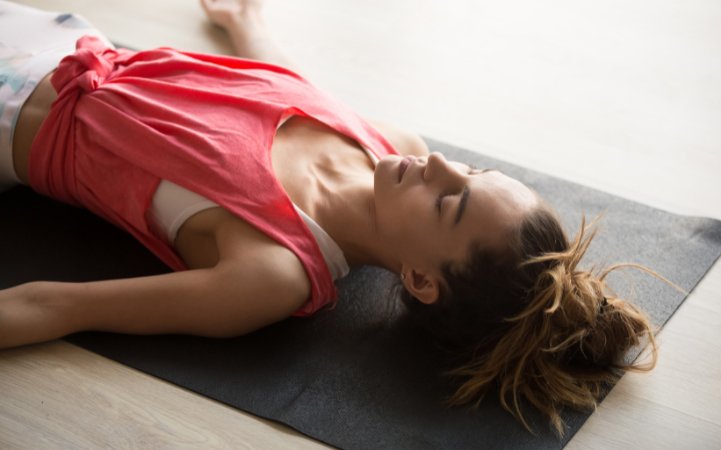
Body scan meditation allows you to focus systematically on different parts of your body, from head to toe. Start by sitting or lying comfortably with your eyes closed. Take a few deep breaths. Focus your awareness on each body part and notice the sensations without judgment.
Your body awareness increases through this practice. You'll identify tension spots better and build a stronger mind-body connection. Studies have shown that regular body scanning can help lower cortisol levels and improve an individual's ability to manage stress more effectively.
Loving-Kindness Meditation (LKM) helps you cultivate unconditional kindness toward yourself and others. You start by directing positive wishes to yourself. Then extend them to loved ones, neutral people, difficult people, and all beings.
Research shows that LKM can decrease PTSD symptoms, depression, and chronic pain. You'll experience more positive emotions, such as joy, gratitude, and contentment.
Guided imagery helps you visualize calming scenarios that create positive reactions. Your mind and body connect through visual images as you imagine peaceful scenes. This helps you manage difficult emotions better. The technique works well before sleep, presentations, or challenging conversations.
Mantra meditation uses repeated words, sounds, or phrases to focus your mind. You can say them silently or aloud to override negative thoughts. This breaks the cycle of mental speech that causes distress.
Simple mantras, such as "Om" or phrases like "I am at peace," work well during meditation. Research reveals that mantra-based practices can cut down anxiety, enhance mental well-being, and aid in managing emotions.
These techniques give you multiple ways to manage anxiety through mindfulness. Select the approaches that resonate most with your personal experience.
Q1. How does mindfulness meditation reduce anxiety symptoms? Mindfulness meditation lowers anxiety. It boosts awareness of thoughts and habits that cause stress. It helps you see anxious thoughts without feeling overwhelmed. This breaks worry cycles and triggers the brain's relaxation response. Regular practice can lower amygdala activity. This leads to... [truncated]