


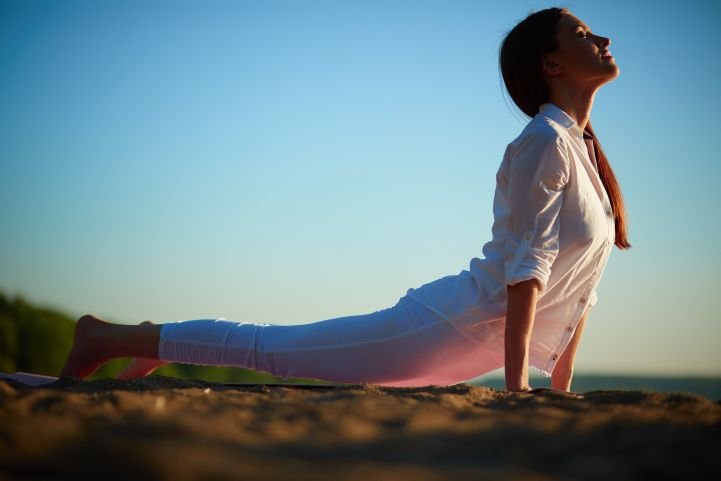
Mindful movement is the art of being fully present in your body as you move. It combines gentle physical movement with the awareness of breath, sensations, and thoughts—uniting body and mind into a single rhythm of awareness.
Unlike traditional exercise, where the focus may be on performance or calories burned, mindful movement invites you to slow down and feel your body. Each motion becomes an opportunity to tune in rather than tune out. It’s not about “doing” the movement perfectly—it’s about being in the movement consciously.
Mindful movement can take many forms: a gentle stretch, a slow walk, a yoga posture, or even the way you rise from a chair. As you move with attention, your mind quiets and the nervous system resets. Breath becomes a guide, and the body becomes a teacher.
This practice is deeply therapeutic. By focusing on deep breathing and present-moment awareness, mindful movement reduces anxiety, promotes relaxation, and helps prevent burnout. It supports both mental and physical well-being—cultivating inner peace while improving balance, strength, and flexibility.
Over time, mindful movement becomes a lifestyle—a way to carry mindfulness from the yoga mat into daily life. It’s a bridge between meditation and motion, stillness and strength, effort and ease. Mindful movement can also complement your meditation practice by helping you integrate mindfulness into physical activity, enhancing focus and awareness both on and off the meditation cushion.
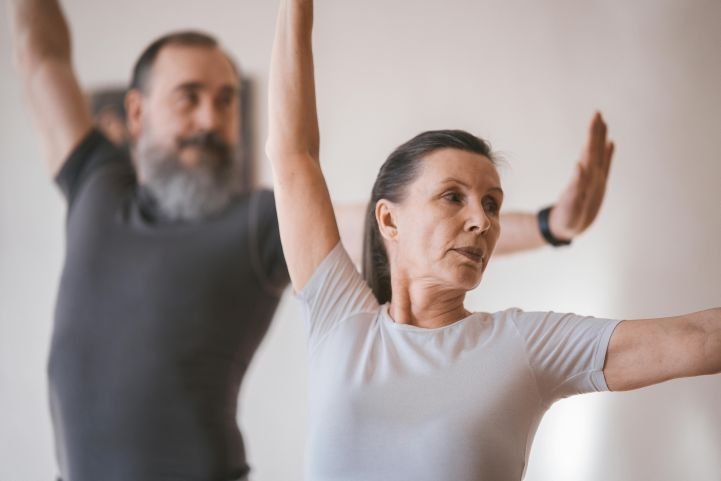
Our senses are powerful gateways to the present moment, and engaging them is at the heart of any mindfulness practice. When we bring awareness to what we see, hear, smell, touch, and taste, we naturally anchor ourselves in the here and now—reducing stress and cultivating inner peace.
One of the simplest ways to practice this is through mindful walking. As you move, notice the physical sensations in your feet and legs—the gentle pressure as your foot meets the ground, the subtle shift of weight, the rhythm of your breath. Let your senses open to the world around you: the sound of birds, the scent of fresh air, the play of light and shadow. Each step becomes a meditation, drawing you deeper into the present moment.
You can begin by taking a few deep breaths, feeling the coolness of the air as you inhale and the warmth as you exhale. Expand your awareness to your surroundings, allowing your senses to fully experience the environment. This simple act of sensing can transform an ordinary walk into a mindful journey, helping you reduce stress and reconnect with your body.
Just as technology uses cookies and data to track and understand how our services are used—delivering and maintaining Google services while protecting against spam, fraud, and abuse—your own mindful attention helps you track your internal experience, notice patterns, and develop a deeper understanding of yourself. By tuning into your senses, you enhance the quality of your mindfulness practice and support your journey toward greater well-being.
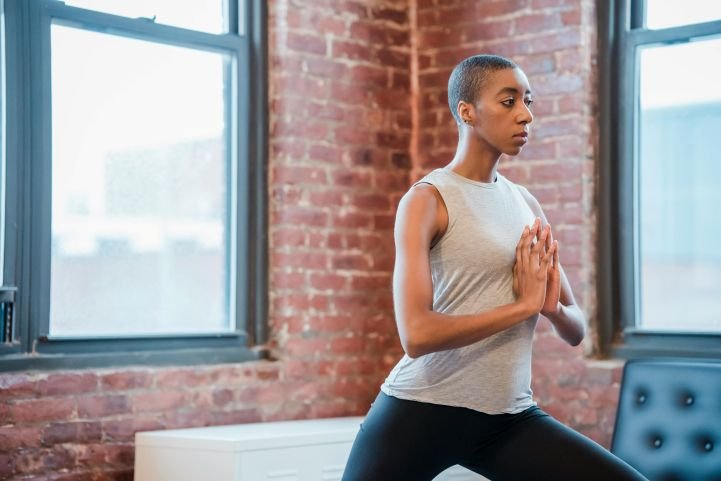
Mindful movement isn’t limited to yoga—it’s a broad, inclusive practice that adapts to every body type, age, and ability. What matters most is the quality of awareness you bring to each movement. To get started, you can try four exercises that help you experience mindful movement firsthand. Here are some forms you can explore:
At the heart of mindful movement lies yoga—the ancient science of union. In Sri Sri Yoga, taught through the Art of Living Foundation, each posture is performed gently, with awareness and synchronized breathing. The goal isn’t only flexibility but also harmony. You begin to sense energy flow, prana movement, and subtle relaxation through every asana. Paying attention to the position of your shoulder blades during yoga helps support proper posture, facilitates chest opening, and enhances overall relaxation.
These ancient Chinese disciplines involve slow, graceful sequences that promote energy flow (qi) and deep focus. Each movement is circular, smooth, and coordinated with breath. Studies show Tai Chi improves balance, reduces stress, and enhances cognitive function—making it ideal for mindful aging.
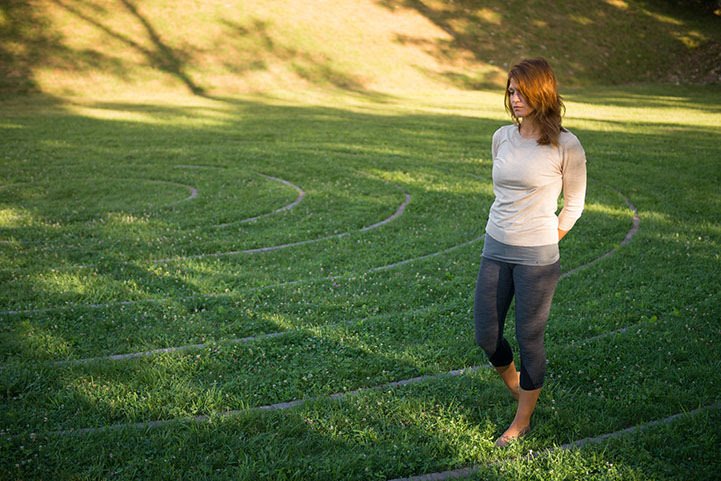
Even something as simple as walking can become a form of meditation. In walking meditation, you move slowly and intentionally, feeling each step, the weight shift, and the rhythm of your breath, while tuning into body sensations as an anchor for your attention. This practice teaches presence in motion and turns ordinary walking into a grounding ritual. If your mind wanders during walking meditation, simply notice it and gently bring your focus back to your breath or body sensations.
Mindful dance encourages emotional release and creative flow. You move freely, guided by inner rhythm rather than choreography. The key is authenticity—allowing the body to express itself while staying present to sensations. Many find this form of movement deeply liberating and joyful.
You can also find videos to guide your mindful dance practice.
Gentle stretching combined with conscious breathing awakens proprioception—the body’s awareness of its position in space. You learn to recognize subtle tension, breathe into tightness, and release it mindfully. This is especially effective for people who sit for long hours or experience stress-related stiffness.
No matter which form you choose, mindful movement reconnects you with the body’s natural intelligence—the same intelligence that guides healing, balance, and renewal.
There’s something profoundly healing about practicing mindful movement in nature. The natural world invites us to slow down, breathe deeply, and reconnect with our senses—fostering a positive mindset and a sense of calm that’s hard to find elsewhere.
Try taking your mindful movement practice outdoors. Whether it’s a gentle yoga flow in the park, a mindful walk along a forest path, or simply standing barefoot on the grass, let the sights, sounds, and smells of nature enhance your experience. Notice the physical sensations in your body—the breeze on your skin, the warmth of the sun, the steady beat of your heart. Each deep breath draws in the vitality of the natural world, helping you stay present and grounded.
The mindful movement community offers a wealth of support for bringing awareness to your practice in nature. Explore guided meditations, video recommendations, and a customized YouTube homepage tailored to your interests. These resources can help you deepen your connection to both your body and the environment, enhancing your sense of well-being.

The rewards of mindful movement are both immediate and long-lasting. It’s not only a physical practice but also a psychological, emotional, and even spiritual one. Numerous studies have demonstrated the effectiveness of mindful movement in supporting overall well-being.
When practiced regularly, mindful movement activates the parasympathetic nervous system—the body’s “rest and digest” mode—counteracting the stress response. Cortisol and adrenaline decrease, heart rate slows, and a sense of calm returns.
By slowing down and paying attention, you move more efficiently and safely. Over time, muscles lengthen, joints become more stable, and balance improves—both physically and emotionally.
Mindful movement creates space between stimulus and response. You learn to notice emotions without judgment, which increases emotional intelligence and reduces reactivity.
Gentle evening movement paired with breath awareness helps quiet racing thoughts, preparing the body for restful sleep. Studies link yoga and meditative movement to deeper REM cycles and better sleep quality.
Movement meditation strengthens the prefrontal cortex, the area of the brain responsible for focus and decision-making. As awareness grows, so does clarity.
Scientific research suggests that mindful movement increases serotonin and endorphin levels, improving mood and mental well-being. Many practitioners report feeling lighter, calmer, and more optimistic after even brief sessions.
Slow, deliberate movement stimulates blood flow and lymphatic circulation, enhancing detoxification and energy levels. You begin to feel more alive.
In short, mindful movement is a natural medicine—one that doesn’t require a prescription, only presence.
The link between the body and mind is intimate—what happens in one affects the other. When stress arises, it often manifests first in the body: tight shoulders, shallow breath, clenched jaw, racing heart. Mindful movement addresses these signs directly.
When you move consciously and breathe deeply, your body sends calming signals to the brain through the vagus nerve. This activates the relaxation response, lowering cortisol and reducing the effects of chronic stress.
Emotional regulation also improves. Instead of suppressing feelings, mindful movement allows emotions to flow through the body safely. Movement becomes a form of release and renewal—helping you process worry, grief, or anger through awareness and breath.
Over time, the practice builds emotional balance and resilience. You learn to stay centered in challenging moments, grounded in the body, and connected to your breath. It becomes easier to meet life’s changes with steadiness and compassion.
Stillness isn’t the absence of motion—it’s the presence of awareness within motion. Mindful movement embodies this principle. Each posture, step, or gesture becomes a living meditation.
In moving meditation, you bring mindfulness into flow. You may focus on how your feet touch the ground, how your breath synchronizes with movement, or how your body feels in each transition. The goal is not perfection but presence.
As your awareness deepens, you may enter a meditative state even while moving. Time softens, breath slows, and inner chatter quiets. This is meditation through embodiment—a practice that complements seated meditation by helping awareness expand into daily activities.
For many, this becomes a sacred practice—an art of living gracefully and consciously in the world.
To deepen your mindful movement practice, consider using a guided meditation to help focus your attention and enhance your experience.
You don’t need a mat, studio, or special equipment to start. Try incorporating a few of these into your day: