



A surprising fact: nearly one-third of adults struggle with chronic insomnia or persistent difficulties in falling or staying asleep. This leaves countless people lying awake, staring at their ceilings night after night.
Our body's stress response makes falling and staying asleep a real challenge. Meditation techniques for sleep provide a natural solution to this widespread issue. Research shows that regular meditation reduces the size of the amygdala, the stress-response hub of our brain. This reduction explains why bedtime meditation helps ease insomnia and sleep troubles by creating overall calmness.
In this piece, we'll explore proven breathing techniques for sleep that tap into your body's natural relaxation response. Mindfulness meditation and yoga nidra are just two methods that can transform your bedtime routine and help you get the restful sleep you deserve.
The quality sleep you've been dreaming of is within reach. Let's take a closer look at these life-changing techniques together.
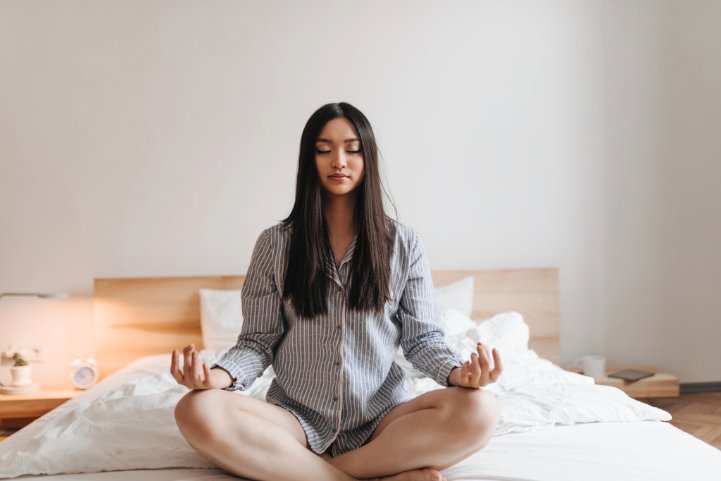
The connection between meditation and quality sleep goes beyond just feeling relaxed. Your brain works differently during stress and meditation, and this relationship helps explain why meditation can improve your sleep.
Nighttime anxiety makes it hard to fall and stay asleep. Research shows that all but one of three adults has lost sleep due to stress in the last month. Your body responds to late-night worrying in ways that fight against good sleep.
Your sympathetic nervous system kicks into high gear when you're stressed, releasing cortisol and adrenaline to keep you alert. These "fight or flight" hormones make it almost impossible to fall asleep. The Sleep Foundation points out that stress can:
This creates a vicious cycle. Bad sleep makes you more stressed, and more stress leads to worse sleep. Many people lie awake with their minds racing about work, family, or money right when they need rest the most.
Your brain activity changes in amazing ways when you meditate. Beta waves linked to stress give way to calmer alpha and theta waves that help you relax and feel drowsy. This change matches what happens as you start falling asleep, helping your brain learn to switch into sleep mode more naturally.
Brain scans reveal meditation turns on areas that control attention, like the dorsal lateral prefrontal cortex (DLPFC) and anterior cingulate cortex (ACC). The default mode network that fuels worried thoughts about the past and future becomes quieter.
People who meditate regularly develop these helpful brain patterns more easily. Studies show experienced meditators have more gray matter in brain regions tied to attention and processing sensory information. This might explain why they handle stress better over time.
Harvard researcher Dr. Benson discovered what he called the "relaxation response" - the opposite of how your body reacts to stress. This state:
These physical changes set the stage perfectly to help you fall asleep. Meditation techniques also teach you to watch anxious thoughts without getting caught up in them.
Mindfulness helps stop the endless loop of thoughts that often keeps you awake. You learn to focus on the present moment instead of getting stuck in worry. Studies show mindfulness can cut nighttime anxiety in half while improving your sleep substantially.
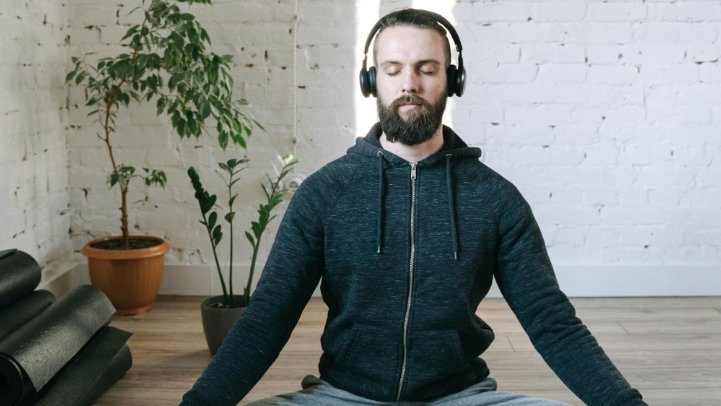
Mindfulness meditation is one of the most available techniques that helps people who struggle with sleep issues. The beauty of mindfulness lies in its simplicity - you stay fully present and aware without judgment. Many people battling insomnia or restless nights have found this approach works remarkably well.
✅ Want to try guided mindfulness meditation? Explore sleep-focused sessions on the Art of Living Journey App.
Your breathing and body sensations form the foundation of mindfulness meditation. Here's how you can start this practice:
This process kicks in your parasympathetic nervous system and fights against the "fight or flight" response that keeps you awake. Your body responds to mindfulness meditation by relaxing, which lowers your heart rate and guides you toward sleep.
The biggest challenge you face when trying to fall asleep is a racing mind. Mindfulness gives you a practical way to handle persistent thoughts:
Thoughts will pop up - that's natural. Watch them like clouds floating across the sky - they're there but won't stay forever. Your job is to notice when your mind wanders and gently bring your attention back to your breathing or body sensations.
This approach is different from forcing yourself to sleep. The harder you try to make yourself sleep, the more it slips away. Non-judgmental awareness creates mental space that lets sleep come naturally.
The right timing makes mindfulness more effective. You have two good options:
Evening sessions around 6 PM create a buffer between work and personal time. This helps you shake off the day's stress. But practicing right before bed gives you the best sleep benefits.
New to mindfulness meditation? Start with 5-10 minutes each night. A regular practice matters more than how long you meditate. Your brain learns that it's time to wind down when you stick to a routine. Regular practice helps your mind become skilled at spotting and releasing thoughts that disturb sleep, making it easier to drift off each night.
People new to meditation or those with restless minds will find guided meditation a perfect starting point into sleep-enhancing practices. This approach provides structure and support through an experienced guide's voice, unlike self-directed techniques.
Try this Daily Meditation for Positivity.
[embed]https://www.youtube.com/watch?v=c45CDcrsc9c[/embed]
Someone else guides you step by step through a meditation experience during guided meditation, either in person or through audio recordings. This method helps your focus move away from worrying thoughts toward body sensations, breathing patterns, or peaceful imagery.
Your guide takes you through several components:
These exercises combine to trigger your body's relaxation response. Regular practice will help you notice improvements in falling asleep and staying asleep.
Quality guided meditations for sleep are easier to find than ever:
The best recordings guide you without needing much conscious effort—you simply follow the narrator's voice that guides you into deep relaxation.
These suggestions will help you get the most from guided sleep meditation:
Your device's screen should be dim or off when using sleep meditation tracks on your smartphone. Blue light from screens can interfere with melatonin production and counteract the benefits of your meditation.
Recordings that last 15-20 minutes give you sufficient time to transition into sleep mode. Make yourself comfortable in bed before starting, preferably lying down with pillows supporting you.
Note that guided sleep meditation isn't about forcing sleep—that creates unwanted pressure. Sleep comes as a pleasant side effect of relaxation. Studies show regular practice improves sleep quality, especially when combined with other healthy sleep habits like consistent bedtimes and a cool, dark sleeping environment.
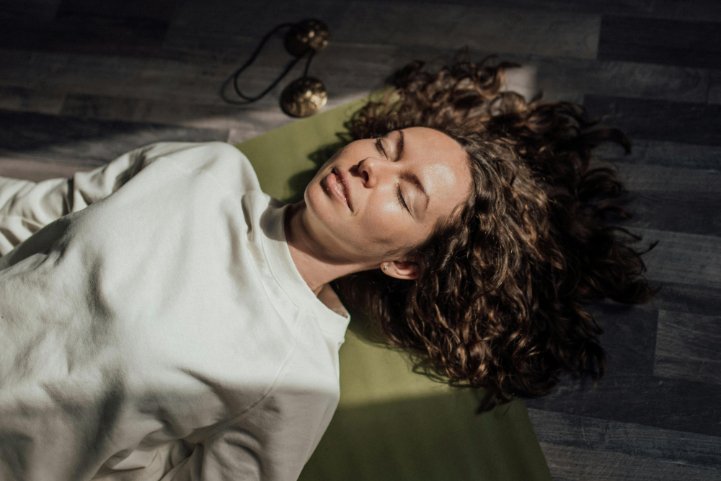
Body scan meditation helps you disconnect from racing thoughts by focusing your attention on physical sensations throughout your body. This simple technique helps identify and release hidden tension that keeps you from falling asleep.
The body scan uses a systematic approach to awareness:
This practice takes 15-20... [truncated]