


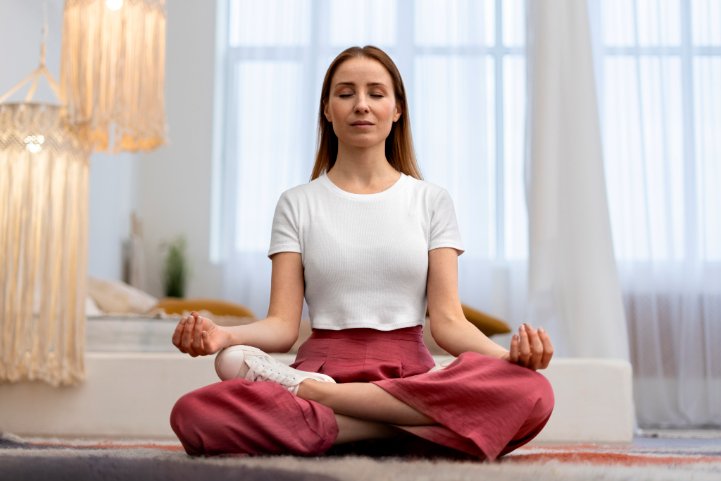
"How do I start meditating?" This question probably crossed your mind when you downloaded a popular meditation app. Meditation resources are everywhere now. Headspace and Calm have garnered 65 million and 200 million downloads, respectively. Yet the numbers tell an interesting story - all but one of these users fail to participate enough to see real benefits.
These numbers paint a concerning picture, given the stakes involved. Research proves that mindfulness meditation can lower blood pressure and reduce anxiety, depression, and insomnia symptoms. Studies also show that more frequent and longer meditation sessions bring greater health benefits to both clinical and general adult populations.
The path to a lasting meditation routine isn't always smooth. Like many others, I've struggled to stay consistent. Time constraints, technique selection, and restlessness can quickly derail your intentions.
The good news? You don't need countless hours or decades of practice to meditate effectively. This piece provides straightforward, practical steps that blend seamlessly into your busy schedule and help you establish an eco-friendly practice. Let's explore strategies that work for people living busy lives.

Many people think they need huge time blocks to start meditating and see results. This stops busy people from taking the first step. Here's the good news: research shows that even brief meditation sessions can make a significant difference.
Five minutes might seem too short, but new meditators find it works really well. Research shows that just five minutes of daily meditation can significantly reduce stress and help people manage their emotions more effectively. A 2015 study involving 61 mental health professionals found that five minutes of daily meditation for one week resulted in significant reductions in stress.
It also turns out that short bursts of meditation work just as well as longer sessions. Scientists found that four 5-minute mindfulness practices worked as effectively as four 20-minute ones to improve depression, anxiety, and stress. So starting with brief sessions removes a major roadblock—the time people think they need to commit.
People call meditation "a push-up for the brain" because it helps improve cognitive control and strengthens brain connections. Five minutes gives you just enough time to get comfortable with silence and learn about yourself if you're new to this experience.
These quick sessions can bring noticeable benefits fast. Studies reveal that regular practice helps ease anxiety and boosts mood and focus within days. After trying a few 5-minute sessions, you'll find it easier to build a daily practice that unlocks even more benefits.
The real magic of meditation isn't about how long you sit—it's about how often you do it. A review of over 200 trials found no evidence that longer sessions were more effective than shorter ones. Instead, people who meditated more frequently got better results.
This idea aligns with the "marginal gains" concept commonly applied in high-performance sports and business. Small improvements in everything you do can lead to big wins over time. With meditation, a short daily practice creates powerful, lasting effects.
BJ Fogg, who studies behavior, explains why daily meditation can be tough: "When you form a new habit, if you feel successful as you do it, the habit will wire in. Most of the time when we meditate, we're not feeling successful". The solution? Start with what Fogg calls a "Tiny Habit"—something quick that takes less than 30 seconds, like three calming breaths.
Regular practice matters more than length, especially when you're starting out. Three minutes of consistent meditation beats trying for an hour and giving up. Your routine becomes solid, and then you can gradually increase from three minutes to five, then ten, and continue growing.
One meditator learned this firsthand: "By day four, I kind of craved that bout of 'me' time before hitting the shower, turning on the Keurig, and starting my day". She felt less stressed after just two days of morning meditation. By day three, she handled mental challenges better during marathon training.
To build consistency:
Note that five minutes every day works way better than thirty minutes once a week. Success comes from showing up regularly and letting those small sessions change your digital world.

The right time to meditate plays a vital role in building a lasting practice. Meditation can be practiced at any hour, but choosing a time that aligns with your natural rhythm helps you stick with it for longer.
Morning meditation comes with clear benefits. The early hours (between 4:00 AM and 6:00 AM) are known as the "amrit vela" or ambrosial hours. These hours give you deep peace while the world sleeps. Your mind stays calmer then, without the day's mental baggage.
Starting your day with meditation sets the tone for everything else. One practitioner said, "By day four, I kind of craved that bout of 'me' time before hitting the shower". Meditation becomes part of your morning routine and doesn't get pushed aside by other tasks.
Evening meditation creates a natural divide between work and personal life. This switch helps you:
Many people find 6 PM sessions work well between professional and personal time. Nevertheless, it is recommended to finish meditating 30-60 minutes before bed to avoid mixing meditation with sleep.
The largest longitudinal study comparing morning and evening meditation revealed an interesting finding. Morning meditators sustained their practice over a long period in the short and medium term. People with flexible timing stuck with it the longest overall. This suggests that strict scheduling may be effective initially, but flexibility is what keeps you going throughout your life.
You can build a meditation practice by connecting it to activities you already do. This method uses "anchor habits" - existing routines that trigger your meditation practice.
To name just one example, see these options:
Studies show that anchor habits are an effective way to achieve results. Once meditation becomes part of your daily routine, skipping it feels strange. This approach builds on your brain's existing patterns instead of creating new ones.
Your unique energy patterns matter too. Forcing a morning meditation might stress you out if your mornings feel rushed. One meditation teacher says, "If you cannot do it in the morning or in the evening, you can find some time during your day to meditate for a few minutes".
The calendar method provides an additional practical approach. Block meditation time like you would a fitness class. Scheduling creates both commitment and accountability.
Consistency matters more than timing through this journey. "Meditating every day and working to be consistent is the most important aspect of building the habit and your meditation practice". One person shared, "I managed to control my willpower, and in the last six months I managed to keep meditating for forty-five minutes every day... And I can't even begin to tell you how this habit changed my life."
Your personal experience matters most. Research examines large groups, but your individual results are more important. Notice when meditation feels most helpful and sustainable in your life.
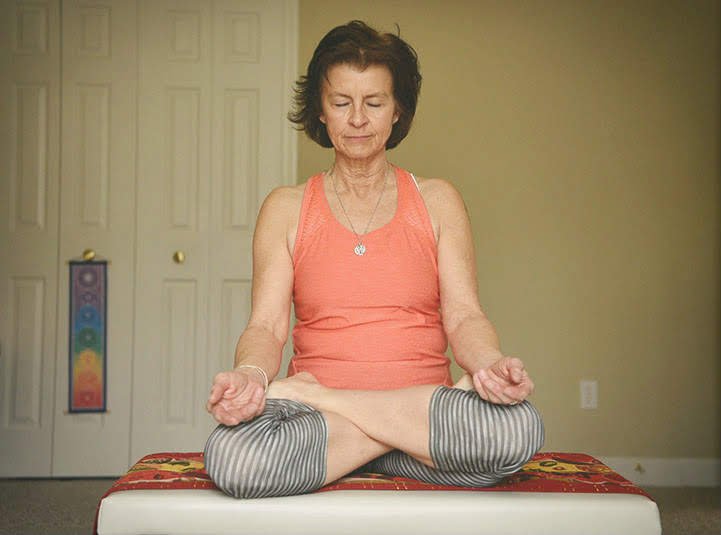
A dedicated meditation space acts as a powerful anchor for your practice. Athletes have their training facilities, and writers have their offices. Meditators need a consistent spot that tells their brain: "It's time to be still." Your mind will slip into a meditative state more easily when it connects a specific place with the activity.
The right location can significantly enhance your meditation practice. You don't need to dedicate an entire room—a small, well-laid-out corner can become your mindfulness sanctuary. Here are the main things to think about when picking your spot:
Quietness level - Pick the quietest area in your home, away from:
Test potential locations by sitting quietly for 10-15 minutes. This helps you check noise levels, lighting changes, and overall comfort. The timing matters too—if your neighborhood gets quiet during certain hours, plan your practice then.
Natural light offers numerous benefits, particularly when meditating near a window. Light, airy curtains can soften sunlight and create a calming effect. This connection to the outside world enhances the meditative experience.
Of course, comfort plays a huge role. Your meditation area should feel welcoming and support your body. A cushion or chair should give proper support for your posture. Any discomfort will distract you more as time passes, so good seating becomes crucial for longer sessions.
New meditators often struggle with external distractions. These practical strategies can help create a more focused environment:
Sound management techniques:
Clear boundaries with people at home matter just as much. Tell your family or housemates about your meditation schedule. A simple note on the door works as a good reminder. Noise-canceling headphones can help if you share living spaces and can't find quiet easily.
Clutter can pull your focus away. Keep your meditation space clean and tidy, removing any distractions that could hinder your practice. This means no electronics, paperwork, or other stress-inducing items in your line of sight.
A portable meditation kit works well if you have limited space. Put your meditation essentials in a small basket that you can set up on your bed or coffee table whenever needed. This provides flexibility while retaining the benefits of a dedicated practice area.
The same spot strengthens your meditation habit over time. You'll start to associate that place with meditation, which makes it easier to maintain your practice. This space connection, combined with regular timing, reinforces... [truncated]