



Depression affects one in five adults over 65. This is why meditation is a crucial topic in discussions about mental health. Studies show that regular meditation can change brain areas linked to depression.
Meditation yields significant benefits for mental health. Studies show that people who meditated for 30 minutes every day for eight weeks increased gray matter in their hippocampus. The practice helps us observe our thoughts and accept them as possibilities instead of absolute truths. This breaks the cycle of constant negative thinking. These benefits typically develop as people practice consistently over weeks or months.
Let's explore how depression changes the brain and why meditation works so well. You’ll learn practical techniques to get started right away. This includes unique practices like Sudarshan Kriya, which has provided remarkable relief for many. These natural methods may help you find relief, whether you have the "blues" or clinical depression.

Q1. How effective is meditation in treating depression? Research shows that regular meditation practice can significantly reduce symptoms of depression. It works by altering brain function in areas impacted by depression. It reduces activity in the "me center" and calms the amygdala, which controls fear. Techniques such as Sudarshan Kriya (SKY) have a success rate of 67-73% in easing depression symptoms. These effects often appear in just 3-4 weeks.
Q2. What are some practical meditation techniques for depression?
Here are some effective techniques:
Sudarshan Kriya is a strong breathing technique. It has shown excellent results in clinical studies.
Q3. How long should I meditate to see benefits for depression? Consistency is more important than duration. Starting with just 5-10 minutes of daily practice can yield significant benefits. Research indicates that short, regular sessions are more effective than long, infrequent ones. Most people notice substantial improvements after 8 to 12 weeks of consistent practice.
Q4. Can meditation replace antidepressant medication? Meditation can be as effective as some antidepressants. However, consult a healthcare professional before making any changes to your treatment plan. Meditation can be a powerful complement to other treatments. It provides benefits without the side effects of some medications.
Q5. How does meditation help break the cycle of negative thoughts? Meditation teaches you to observe your thoughts without getting caught up in them. This creates space between you and your thoughts. It helps you see that thoughts aren’t necessarily facts. Practicing mindfulness helps you recognize the space between a thought and your reaction. This awareness allows you to better manage negative thinking patterns.
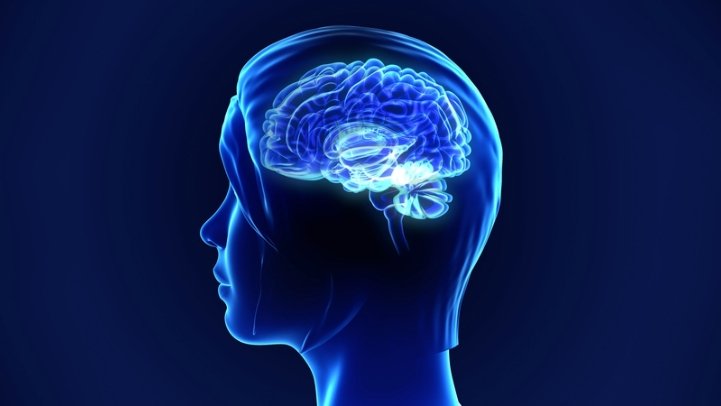
Depression goes far beyond just feeling sad. This complex condition physically alters your brain and disrupts the way your body functions. These biological changes show us why depression can feel overwhelming. They explain why "thinking positively" alone doesn't solve the problem.
Your brain's response to stress plays a vital role in how depression develops and progresses. Long-term stress overworks your brain's response system. This creates a chain of biological changes that can trigger or make depression worse. The process involves the HPA axis, a complex network. The HPA axis releases cortisol, which is our body's "stress hormone."
People with depression often have problems with this system. Studies show that high cortisol levels over time can harm nerve cells. Cortisol does a few things. It reduces glucose absorption, shrinks cell branches, and can even kill cells in key brain areas. Long-term stress also breaks connections between nerve cells. Scientists describe this as creating "noisy" communication between affected cells.
Depression and anxiety often show up together. About half of the people who have depression also struggle with an anxiety disorder. This combination typically leads to more severe symptoms and reduces the effectiveness of treatment. Patients with both conditions usually deal with longer depressive episodes. They often get sick at a younger age and face more health problems. This group also has a higher risk of suicide than those who only have depression.
Research shows interesting differences between men and women. Women tend to react more strongly to social rejection, while men exhibit stronger stress responses to achievement-related challenges. This might explain why depression affects women at 2-3 times the rate of men.
Depression affects several essential parts of your brain:
Long-term depression can damage these brain regions over time. People with untreated major depressive disorder for 10 years or more have higher brain inflammation levels. Brain scans reveal that depression changes important areas. These include the frontal lobe, temporal lobe, hippocampus, and amygdala.
Depression disrupts neurotransmitters—the chemical messengers that carry signals between brain cells. Scientists once viewed depression as just a "chemical imbalance." Now, we understand it involves complex interactions among many neurotransmitter systems.
Depression often depletes serotonin, which many call the "well-being neurotransmitter." Scientists found that lowering serotonin levels can trigger depression. This happens through tryptophan depletion in vulnerable people. Depression also affects norepinephrine and dopamine systems. Studies show that people with depression have less dopamine transporter binding. They also have lower dopamine uptake.
Depression affects hormone systems, too. About 55% of people with major depression have high cortisol levels. The immune system's signaling molecules—pro-inflammatory cytokines—increase during depression. These contribute to feelings of tiredness, anxiety, and depression. This inflammation can harm brain cells, prevent new ones from forming, and accelerate brain aging.
Sudarshan Kriya, a powerful breathing technique, helps address many of these biological changes. Studies indicate this practice helps balance brain electrical patterns. It normalizes P300 ERP and NREM patterns that depression typically disrupts. It balances key hormones. It boosts plasma prolactin, which contributes to overall well-being. It also lowers cortisol, the stress hormone. These biological benefits explain why Sudarshan Kriya helps reduce depression fast. You can notice significant improvements in only 3 to 4 weeks.
These complex biological mechanisms show why meditation works so well for depression. Meditation practices, such as Sudarshan Kriya, help restore balance. They work by directly affecting brain activity in the areas that need it.

Research shows meditation changes brain regions affected by depression. These brain changes explain why meditation isn't just a quick fix, but can also help in the long term.
The medial prefrontal cortex (mPFC) is our brain's "me center." It manages self-focused thinking and wandering thoughts. People with depression often show too much activity here, which leads to endless negative thoughts about themselves.
Brain imaging studies show mindfulness meditation reduces activation in this region. Lower activity helps break the cycle of negative thoughts that define depression. Meditation also builds stronger connections between the mPFC and other brain networks that control emotions. This helps people manage their emotional responses better.
The sort of thing I love is how these changes last beyond meditation. Regular practice helps the brain build new patterns that become permanent. Just five 30-minute sessions can improve your control over attention and emotions. This makes it easier to stop depressive thought spirals.
The amygdala is the brain's fear center. It gets more active during depression. This increase can lead to stronger emotional reactions and more anxiety. Meditation can actually make this region smaller and calmer.
Harvard researchers found that eight weeks of mindfulness meditation led to decreased gray-matter density in the amygdala. These physical changes corresponded to the reduced stress people reported feeling. The control groups that didn’t meditate showed no changes. This proved that meditation caused these benefits.
These calming effects stick around. The amygdala stays less active even when you're not meditating. This leads to lasting improvements in stress management. One study found that compassion meditation decreased activity in the right amygdala when processing negative emotions. People handled tough situations more calmly.
The smaller, quieter amygdala helps those with depression. It addresses their higher stress and anxiety responses.
Depression usually shrinks the hippocampus, a vital part of memory and learning. Meditation turns this around.
Mindfulness practice for 27 minutes a day, over eight weeks, increased gray matter in the hippocampus. This brain region plays a crucial role in memory, self-awareness, and contemplation.
Brain changes happen fast. After eight weeks of mindfulness-based stress reduction (MBSR), scans revealed an increase in hippocampal volume. More gray matter means better learning, memory, and emotional control.
Sudarshan Kriya—a powerful breathing meditation—shows amazing results for depression. Studies show that it helps 67-73% of people feel better, regardless of their depression level. The benefits are often achieved faster than with usual treatments—within 3-4 weeks—and work well for everyone.
Sudarshan Kriya stands out because it fixes unusual brain patterns common in depression. It boosts plasma prolactin (a feel-good hormone) and lowers cortisol (a stress hormone). This creates a natural balance that supports mental health.
This technique works as well as antidepressants but without side effects. It strengthens people by teaching them to help themselves. You gain more control over your mental health by addressing brain changes linked to depression.

Depression feeds... [truncated]