

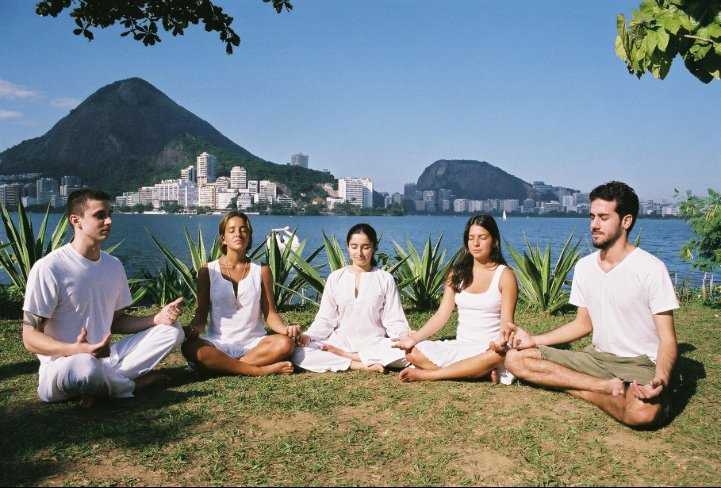
Most breathing techniques take just a few minutes to give you powerful results. Many of us breathe with short, shallow breaths into our chest. This pattern can trigger anxiety and drain our energy.
Research shows that regular deep breathing exercises can help you relax and curb tension. These exercises work by naturally lowering your heart rate while increasing oxygen flow to your brain and lungs. Just 5 to 10 minutes of practice, three to four times daily, can significantly boost your mental well-being.
Breathing happens automatically, but conscious breathing is a distinct skill that can provide relief from life's pressures. This piece explores simple yet powerful breathing techniques that help you find instant calm, boost your energy, and sharpen your focus.
Starting with simple deep breathing and moving to specialized methods like alternate nostril breathing (which can lower stress levels with 30 minutes of daily practice), we'll guide you through each technique step by step. Let's take a deep breath and begin this journey together.
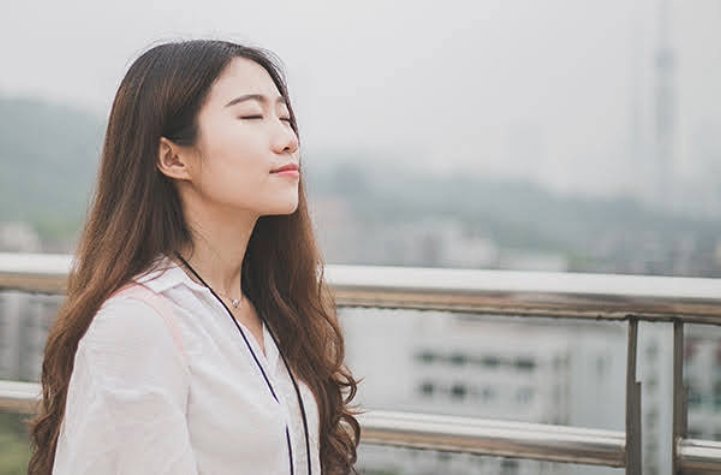
Deep breathing mastery should precede the learning of advanced breathing techniques. Deep breathing is the foundation of all other breathing practices and gives you immediate benefits.
Deep breathing, also called diaphragmatic breathing or belly breathing, comes naturally to us when we're young. Your diaphragm—a dome-shaped muscle below your lungs—helps you draw air fully into your lungs, unlike shallow chest breathing.
Your diaphragm contracts and moves down when you breathe deeply. This creates more space in your chest cavity, allowing your lungs to expand fully. This is the quickest way to breathe that helps your body exchange incoming oxygen for outgoing carbon dioxide effectively.
Deep breathing offers remarkable health benefits. It triggers your relaxation response, which lowers your heart rate and can stabilize blood pressure. Your vagus nerve, which runs from your head through your chest to your colon, gets stimulated, creating a calming effect throughout your body.
You'll need practice to master belly breathing, especially if chest breathing has become your habit. Here's how to become skilled at the technique:
Many of us pick up bad breathing habits over time. Watch out for these common issues:
These deep breathing basics are the foundations of advanced techniques, including the Art of Living's teachings. Their pranayama exercises, such as three-stage breathing and Nadi Shodhana, build on this core skill to enhance mental clarity and emotional balance.
Mastering deep breathing prepares you well for the specialized breathing techniques we'll explore later.
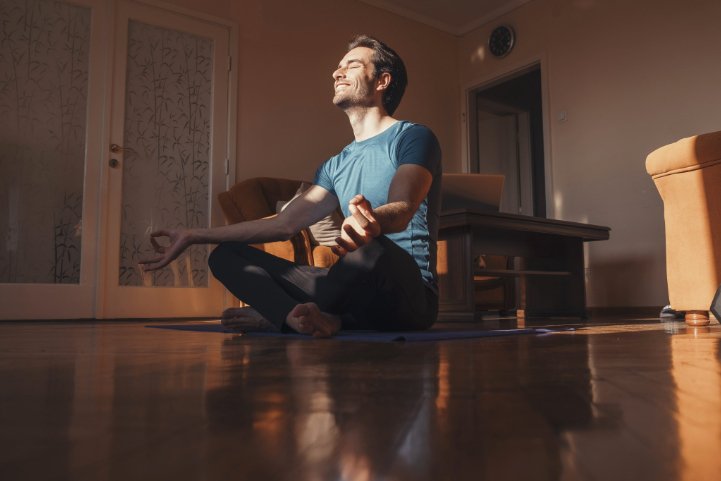
You've got the basics down, so let's explore some specialized breathing techniques. These pranayama practices can help address specific needs, such as calming anxiety, improving focus, or increasing energy.
Box breathing, also known as square breathing, is a powerful technique that quickly restores your breathing to a balanced rhythm. Navy SEALs use this method in high-stress situations, which makes it perfect when you need to regain control.
To practice box breathing:
This technique activates your parasympathetic nervous system, lowering your heart rate and reducing stress hormones. People who practice regularly often see improvements in their mood and find it easier to manage anxiety and depression.
Dr. Andrew Weil popularized this technique, although it has roots in ancient yogic practices. It works like a "natural tranquilizer for the nervous system".
How to perform 4-7-8 breathing:
Your body responds to this technique by relaxing, and your parasympathetic nervous system kicks in. Research shows it helps reduce test anxiety in students and lowers anxiety levels in senior citizens.
Nadi Shodhana, its Sanskrit name, involves breathing through one nostril at a time. The Art of Living includes this as one of their core pranayama practices.
To practice:
People who practiced for 12 weeks reported less stress. Research also shows this technique can improve cardiorespiratory function and help maintain respiratory endurance.
Sama Vritti means "equal mental fluctuations" in Sanskrit. This technique focuses on matching the length of your inhales and exhales, which helps balance the energy flow through your body's channels.
Steps for Equal Breathing:
Just 5 minutes of practice can help you feel calmer. Equal breathing slows your heart rate, calms your mind, and can improve oxygen flow to your brain and lungs.
Lion's Breath (Simhasana) helps release tension in your face, jaw, and throat. It works great after a stressful day.
To perform Lion's Breath:
This energizing technique opens up your throat and upper chest. Singers and people with speech impediments often find it helpful. It also helps release negative energy and opens the throat chakra, which improves mental and physical flow.
Note that these techniques are most effective with regular practice. Add them to your daily routine and you'll soon feel their calming effects.
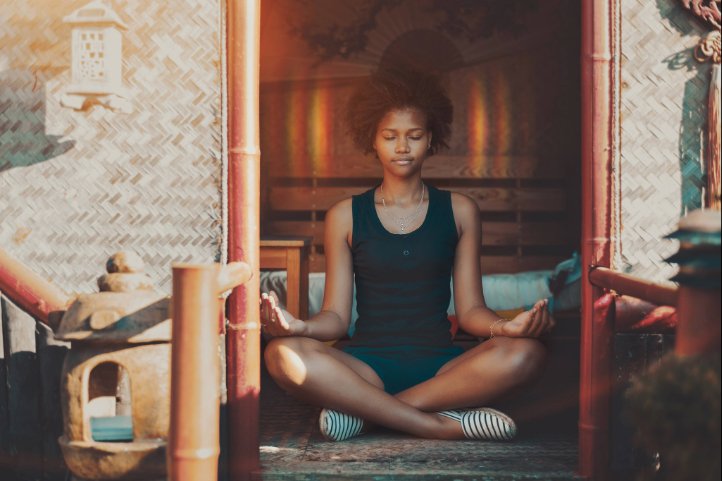
Mental focus takes your breathing practice to a whole new level. Simple breathing becomes a powerful emotional tool when you add visualization and specific focus elements.
Your breath creates a deeper mind-body connection when paired with meaningful words. Pick a calming word or phrase that strikes a chord with you personally. Words like "safe," "calm," or "peace" work well for most people.
The technique works like this: