


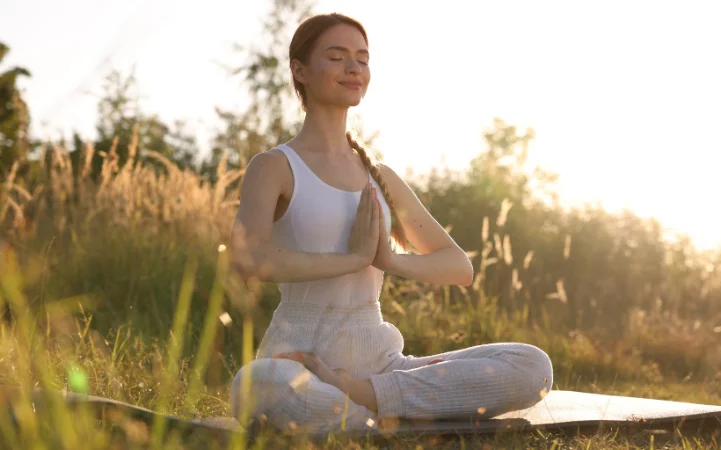
Lotus Pose is a cross-legged, seated pose that deepens the experience of meditation by calming the mind and alleviating various physical ailments. As its name suggests, regular posture practice aids in the practitioner's overall blossoming.
Also known as Padmasana (PAA-daa-maa-SUN-aa), this Sanskrit word comprises two words-–padma, which means lotus, and asana, which means pose. In the full position, your legs look like the petals of a lotus flower, gently dropping open. With regular practice of Lotus Pose, you start to vibe the qualities of the lotus flower: unaffected by the mud where it is born or even by the water that sustains it. This is why so many ancient yogis and deities are depicted sitting in the Lotus Position.
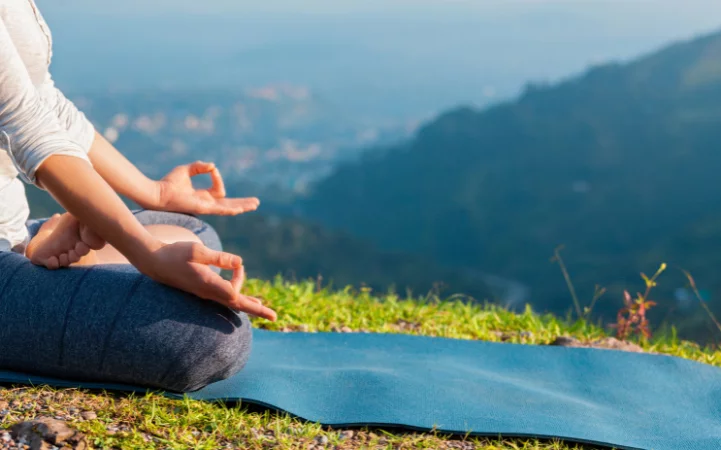
According to the ancient yoga text, Hatha Yoga Pradipika, a regular habit of practicing Lotus Pose, can destroy all diseases.

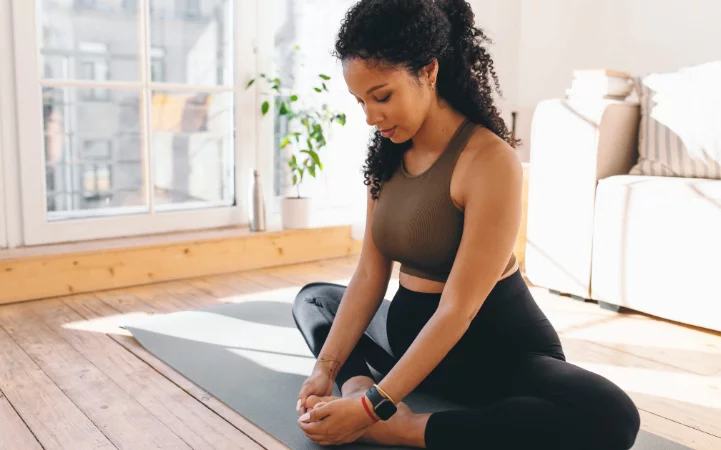
Since this pose requires good hip mobility and flexibility, be sure to incorporate hip-opening poses like those mentioned below into your practice before trying the Lotus Pose.
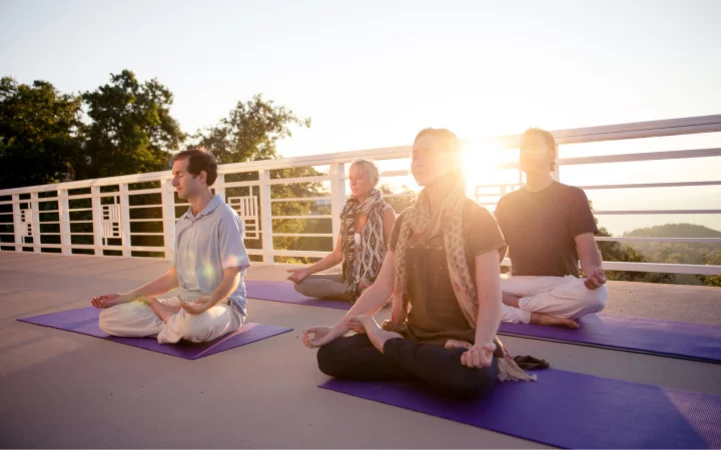
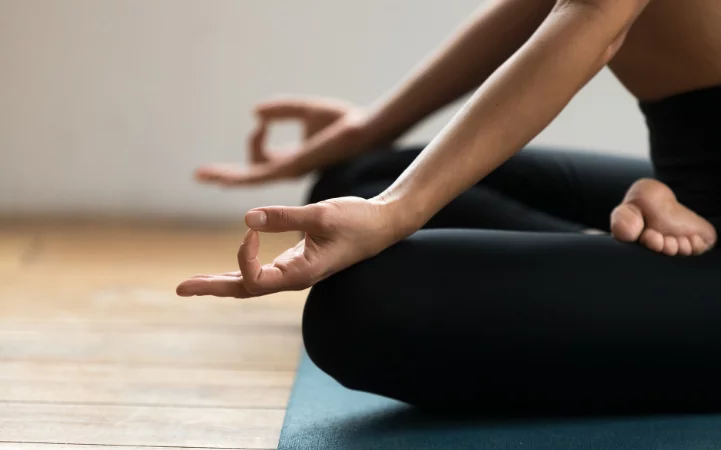
To make it easier, try Half-Lotus Pose:
If you cannot overlap both your legs and sit in Full Lotus, you may also sit in Half-Lotus Pose by placing only one foot at a time on each opposite thigh. Be sure to spend equal amounts of time with the left foot and the right foot elevated. Half-Lotus is also a very meditative pose.
Practice Half-Lotus Poses until you feel flexible enough to progress to Full Lotus Pose. Be comfortable in Easy Pose (cross-legged) if that is also difficult. Listen to your body and do this pose only as much as it allows.
Use props:
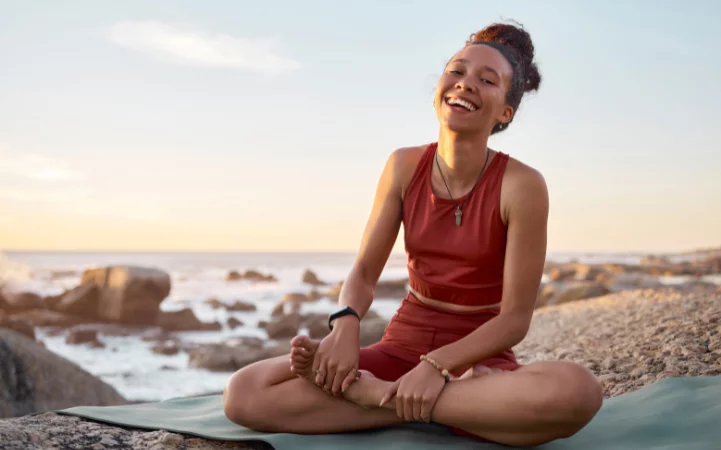
Switch your right and left foot positions:
When you're in full Lotus Pose, switch your bottom and top legs regularly to maintain balance in your hip muscles.
Add breathwork to your yoga practice:
Learn alternate nostril breathing (Nadi Shodhan pranayama) or ocean breath (Ujjayi Breath) to add to your practice and deepen your experience in the Lotus Position. Check out these easy videos to learn how.
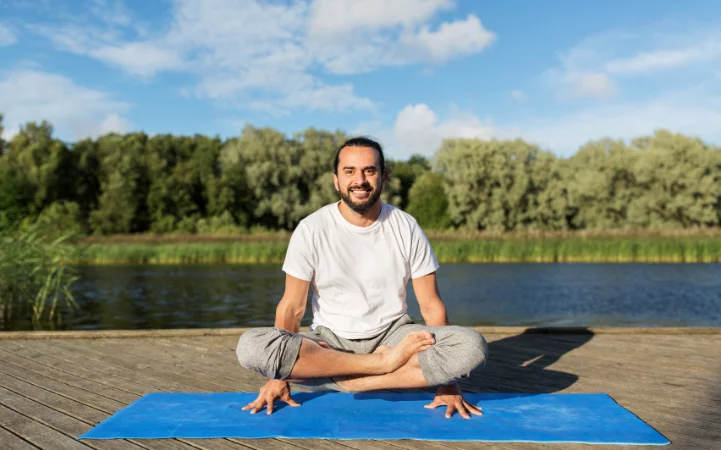
To increase the challenge:
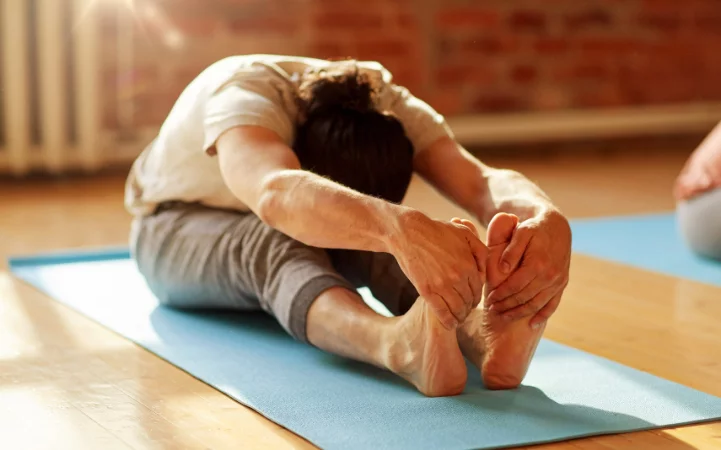
The following poses are excellent follow-up poses:
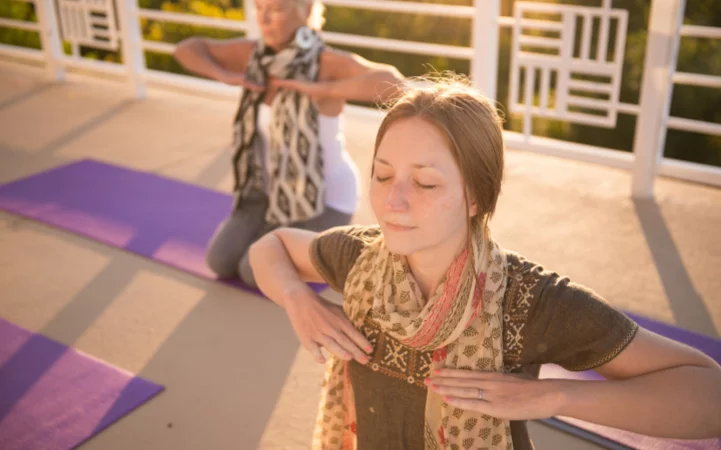
When practiced regularly, breathing and meditation supercharge yoga's life benefits. Add Sudarshan Kriya Yoga, also known as SKY Breath Meditation, to get the most out of your yoga practice.
SKY practitioners report: