



Discover the effortless path to inner peace through simple daily practice.
Meditation is more than just a practice—it’s an experience of coming home to yourself. In the stillness of meditation, you rediscover your natural state of peace, joy, and awareness. While the modern world often celebrates constant movement and productivity, meditation reminds us of the profound power of pause.
In every culture and era, people have turned inward in search of clarity and meaning. The yogic sages of India described meditation as the bridge between the finite and the infinite—the means to know the true self. Today, neuroscience confirms what ancient wisdom has always said: meditation rewires the brain for calm, focus, and happiness. The benefits of meditation include positive effects on both emotional and physical well-being, such as reduced stress, improved mood, and greater relaxation. It reduces stress, strengthens emotional regulation, and increases resilience to life’s challenges. Meditation can help manage stress, support emotional regulation, and improve overall health.
Yet, many people who attempt to meditate feel confused or frustrated. A beginner's guide can provide step-by-step instructions and resources for those new to meditation. They sit in silence, only to discover that their minds are busier than ever. This is where guidance matters. The Art of Living Foundation offers an accessible, effortless approach to meditation. Rooted in timeless yogic wisdom and supported by scientific research, these techniques help anyone—regardless of experience—enter meditation naturally. With the proper guidance, meditation becomes a joyful daily ritual rather than a struggle for mental control. Learn how to meditate by exploring different techniques and resources to find what works best for you.
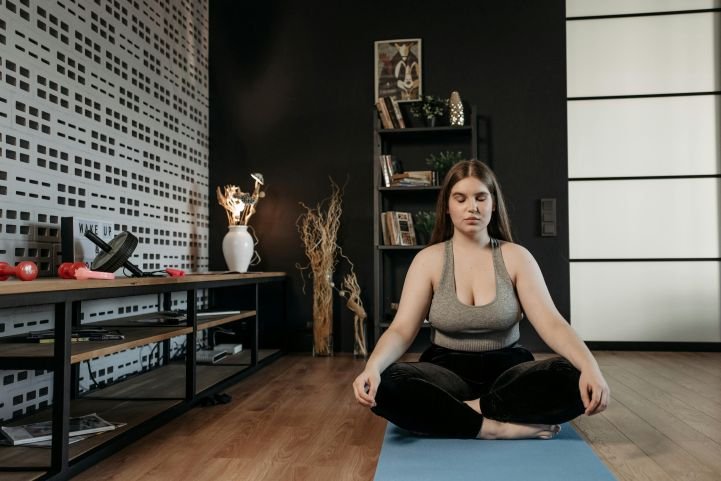
At its essence, meditation is not about doing—it’s about being. It’s not a battle with thoughts or a technique to “empty the mind.” Instead, meditation is the gentle art of resting in awareness.
Art of Living founder, Gurudev Sri Sri Ravi Shankar, beautifully explains:
“Meditation is the journey from movement to stillness, from sound to silence.”
The common misconception is that meditation requires intense concentration or effort. But forcing the mind to stop thinking is like trying to still the surface of a lake by striking it—it only creates more ripples. True meditation happens when effort drops, and awareness expands effortlessly. There is no single way to meditate; individuals can explore different approaches to find what resonates best with them.
Meditation is often described as “de-concentration.” Instead of narrowing the mind onto a single point, we allow attention to dissolve into spacious awareness. In that openness, stress melts away, and the mind naturally becomes quiet. This state is not something to achieve—it’s already within you, waiting beneath layers of thought, emotion, and activity.
When we meditate, we aren’t escaping reality; we’re deepening our connection to it. We move beyond the constant chatter of the intellect and experience the vastness of consciousness itself. Over time, this inner silence begins to permeate daily life—bringing clarity to decisions, creativity to work, and compassion to relationships. All meditation styles ultimately share the same goal of cultivating inner peace and awareness.
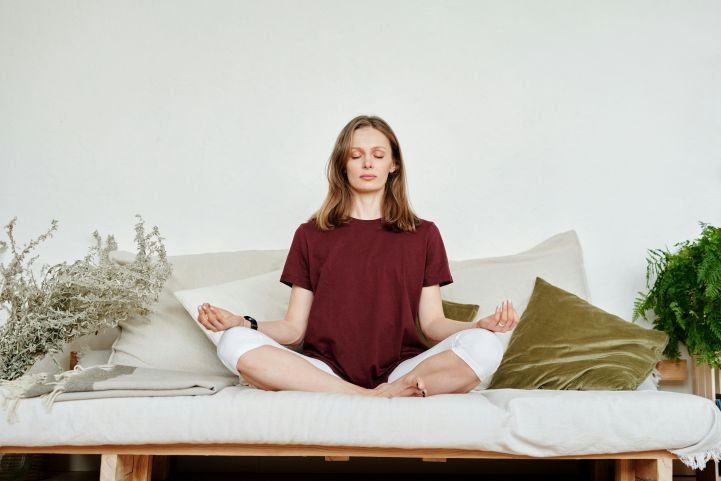
Like tending soil before planting a seed, preparing your environment and body helps meditation flourish. The quality of your surroundings, your posture, and even your breathing can deeply influence your experience.
Find a clean, quiet, and comfortable place where you won’t be disturbed. Choosing a quiet spot is especially important for beginners, as it helps establish focus and makes meditation easier. This could be a cozy corner of your living room, a meditation cushion in your bedroom, or a spot near a window with natural light. Over time, your body begins to associate that space with stillness and serenity.
Dim the lights, light a candle, or play soft music if it helps you relax. Some people like to use essential oils or incense to create a calming atmosphere.
You can sit on the floor, a cushion, or a chair—whatever feels best for you. Maintaining good posture is vital for comfort and support during meditation. If you prefer, a yoga mat can also be used for support and comfort. Some people even meditate lying down, but generally, that position tends to lead to sleep.
The best times to meditate are during the brahma muhurta—the serene pre-dawn hours—or in the evening around sunset. These times are naturally peaceful, with minimal mental and environmental noise. However, consistency matters more than timing. If mornings are hectic, choose any quiet moment you can commit to daily.
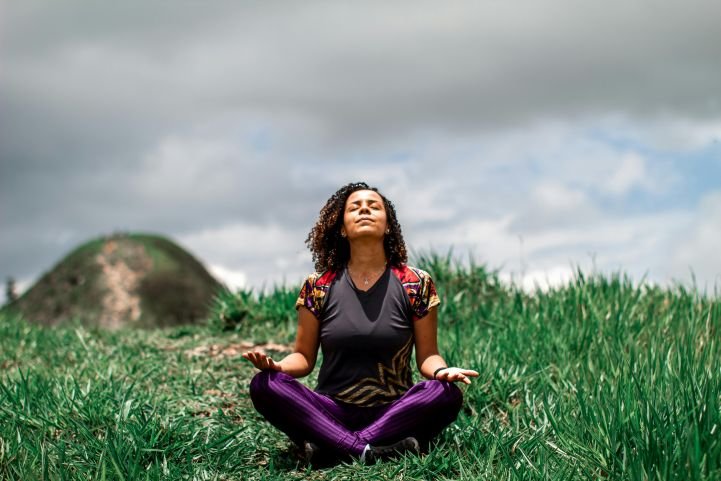
You can sit cross-legged on the floor, on a cushion, or in a chair—whatever keeps your spine naturally upright and your body relaxed. The spine should be erect but not rigid; the hands can rest comfortably on the knees or in your lap, palms facing upward to remain receptive. Maintaining good posture supports the body and promotes alertness during meditation. A straight posture also allows prana (life energy) to flow freely through the body.
Soft, natural light is ideal. Some practitioners like to light a candle or incense as a symbolic gesture of inner illumination. Keep the temperature comfortable and avoid drafts.
Breath is the bridge between body and mind. Before meditating, practice gentle breathing exercises to release tension and balance your energy. SKY Breath Meditation—a rhythmic breathing sequence taught by the Art of Living—helps calm the nervous system and prepare you for deep meditation.
Focusing on the out breath during these exercises promotes relaxation and helps release tension, supporting a deeper meditative state.
When the breath settles, the mind follows. Preparation through breathwork ensures your meditation is effortless rather than restless.
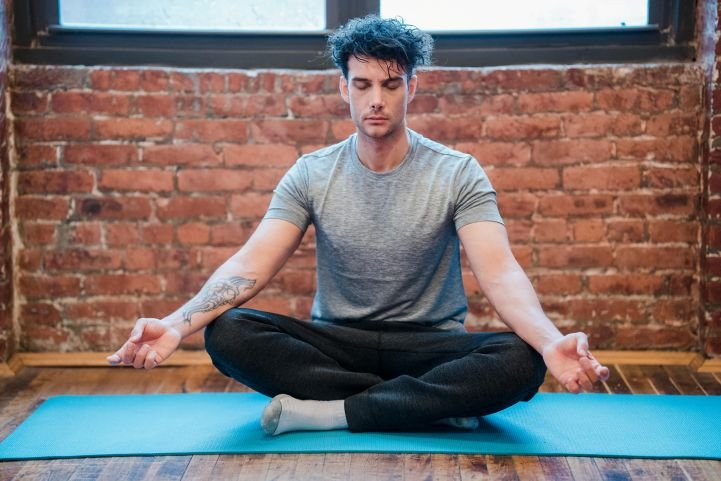
Once your space and posture are ready, you can begin. The following simple steps outline how to meditate effectively and comfortably, even if you are a complete beginner. Select a chosen object, such as your breath or a bodily sensation, to anchor your attention during meditation.
Take a moment to adjust your posture. Keep your spine straight and shoulders relaxed. Let your body feel both stable and at ease.
Closing your eyes turns your attention inward. Notice your breath, heartbeat, and any sensations in the body. Allow everything to be as it is. Use an eye mask if you have difficulty keeping your eyes closed.
Inhale slowly through the nose, filling the lungs completely. Exhale through the nose or the mouth, releasing any tightness or fatigue. Repeat two or three times to relax.
Shift to observing your natural breathing. Feel the breath entering and leaving your nostrils or moving gently through your chest or abdomen. Don’t try to control it; simply watch.
Thoughts will come—that’s their nature. A wandering mind is completely normal during meditation. When you notice your mind wanders, gently bring your attention back to your chosen object. Don’t resist or follow them. Imagine them as clouds drifting across the sky. Your role is only to watch them pass.
Gradually, thoughts and sensations quiet down. Rest in the awareness that remains—the silent space behind all activity. This is meditation: being present with no effort.
After 10–20 minutes, take a deep breath, become aware of your body again, and slowly open your eyes. Sit quietly for a minute before resuming your activities.
Treat each meditation session as a unique opportunity to cultivate awareness and calm.
Sometimes your meditation will feel peaceful; other times, the mind will wander. What matters most is consistency and the gentle intention to return to stillness each day.
If you prefer learning meditation in a structured, communal environment, group classes are also available and can provide guidance and motivation.
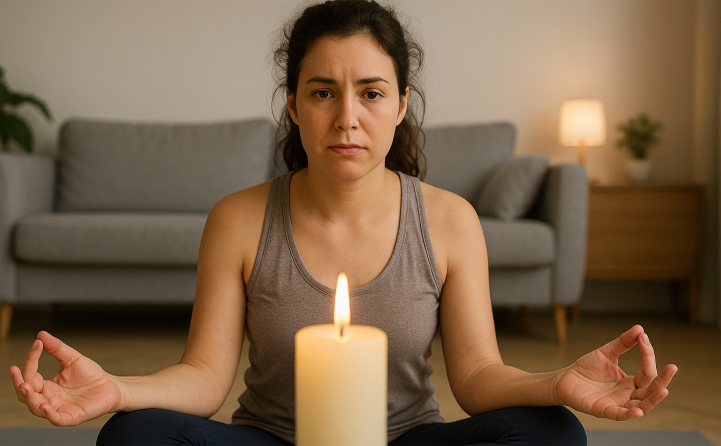
When people begin meditating, they often fall into habits that make the experience harder than it needs to be. Awareness of these common mistakes can help you relax into the process. It is completely normal to encounter challenges or distractions when starting to meditate.
Meditation is not a performance. The more you try to meditate, the more elusive the experience becomes. Drop expectations and allow the mind to settle naturally.
Meditation works like watering a plant—it takes time for the roots of calm to deepen. Every session nourishes your nervous system, even if you don’t feel immediate peace.
Some days feel blissful, others restless. Both are normal. Meditation is not about achieving a certain feeling—it’s about being fully present with what arises and enjoying the benefits that happen outside of meditation.
Like exercise, meditation strengthens through regularity. Even 10 minutes daily is more beneficial than an occasional long session. Making meditation part of your daily routine helps maximize its stress-reducing and calming benefits.
Noisy surroundings or bright screens can overstimulate the mind. Choose a peaceful space and minimize distractions before beginning.
When you let go of the need for perfection, meditation becomes a source of joy rather than a task on your to-do list.
Once you establish a routine, you can deepen your experience. Practicing meditation for longer periods can lead to deeper relaxation and greater insight. Exploring different meditation practices, such as body-scan and moving meditation, can help keep your practice engaging and adaptable. The following suggestions can help expand the quality of your meditation.
Meditation is most effective when it becomes part of your daily rhythm. Set a reminder, use a consistent spot, and treat it as sacred self-time—non-negotiable and nourishing.
Techniques such as SKY Breath Meditation balance energy, clear mental fog, and prepare you for effortless stillness. Research shows these breathing practices enhance focus and mood, making meditation deeper and more... [truncated]