



Anxiety has always been part of the human experience—it’s a natural survival response that helps us prepare for challenges and avoid danger. But in today’s world, anxiety disorders are reaching record levels. According to the National Institute of Mental Health, nearly one in three U.S. adults will experience an anxiety disorder in their lifetime, and rates are rising among teens and young adults.
So why is anxiety so prevalent now? Several overlapping factors contribute:
Humans evolved to respond to short bursts of stress, like escaping predators or preparing for storms. Today, we face constant stimulation—emails, deadlines, social media, financial pressures, and global news cycles—that keep our stress response switched on far longer than it was designed to be.
Many people live in a state of “always on,” juggling work, family, and social obligations. Without adequate downtime, sleep, or rest, the body doesn’t get the chance to reset. Over time, this baseline stress can develop into generalized or free-floating anxiety.
Social media platforms encourage constant comparison, which fuels feelings of inadequacy, self-doubt, and fear of missing out (FOMO). For sensitive individuals, this digital overstimulation can exacerbate anxious thought patterns.
Research shows that adverse childhood experiences (ACEs) or traumatic events can alter brain chemistry and increase susceptibility to anxiety disorders later in life. Even subtle, ongoing stressors—such as unstable environments or high expectations—can have a lasting impact.
Some individuals are more predisposed to anxiety due to their genetic makeup or neurotransmitter imbalances. While biology is not destiny, it can increase the likelihood of experiencing persistent worry or unease.
Poor sleep, high caffeine or alcohol intake, lack of movement, and processed diets all affect mood and nervous system function. When combined with stress, these habits can heighten the risk of developing chronic anxiety.
In short, anxiety disorders are common today because modern life overstimulates the mind and body without giving them enough opportunities to recharge. Free-floating anxiety, in particular, thrives in environments where the nervous system never feels safe or grounded.
This is why practices that restore balance—such as mindfulness, therapy, and especially breath-based techniques like SKY Breath Meditation—are becoming essential tools for mental health in the 21st century.

The causes are complex and often layered. Researchers point to genetic predisposition, brain chemistry, early life experiences, and chronic stress as contributing factors.
Free-floating anxiety reveals itself in both the mind and body:
Each person’s mix of symptoms looks different, but the common thread is uneasiness that seems to have no apparent reason.

Diagnosis usually begins with a professional evaluation. A therapist or psychiatrist may ask about your symptoms, medical history, and family background. They may also recommend lab tests to rule out physical conditions that mimic anxiety, like thyroid issues or heart problems.
Treatment often includes a blend of:
When these approaches are combined, individuals can often experience dramatic reductions in symptoms and improvements in their daily lives.

Several tools can reduce the intensity of anxiety and help restore calm:
Professional guidance ensures accountability and a safe pathway forward
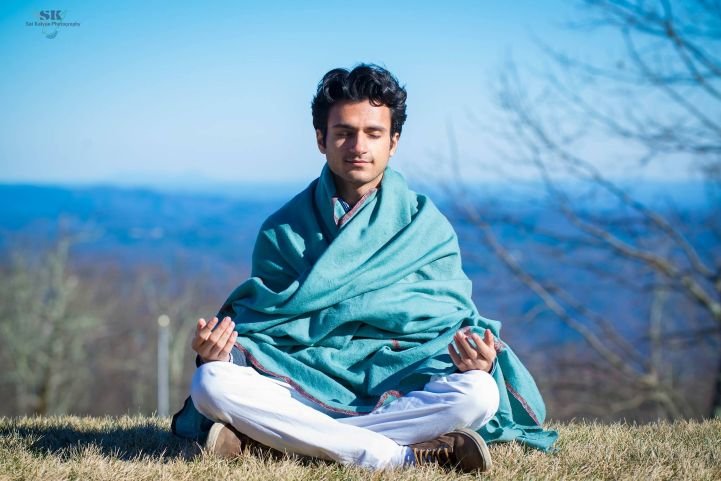
One of the most promising evidence-based techniques is SKY Breath Meditation (Sudarshan Kriya Yoga), taught globally through the Art of Living Foundation.
SKY is a sequence of cyclical, rhythmic breathing patterns that balance the nervous system. The practice moves through slow, energizing, and calming rhythms, helping the body release tension and the mind clear intrusive thoughts.
Research from Harvard, Yale, Stanford, and the University of Arizona has shown that SKY:
For many, SKY provides immediate relief while also building a foundation for lasting peace.

Anxiety often manifests first in physical sensations before thoughts even register:
Recognizing these signs is important because managing anxiety requires caring for both the mind and body.

Self-care strategies can be powerful, but professional help ensures that anxiety is managed safely and effectively. A therapist or psychiatrist can:
Professional care combined with daily practices like SKY Breath Meditation offers the most holistic path to recovery.
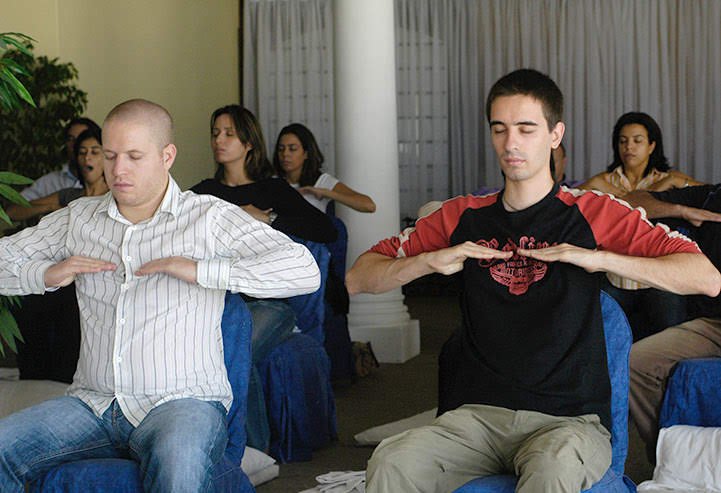
Finding relief from free-floating anxiety doesn’t always require dramatic changes. Small, consistent steps can make a meaningful difference. Here are actionable practices you can begin today:
Pause and take 5–10 slow, deep breaths. Inhale through the nose, allowing the belly to expand, and exhale gently... [truncated]