


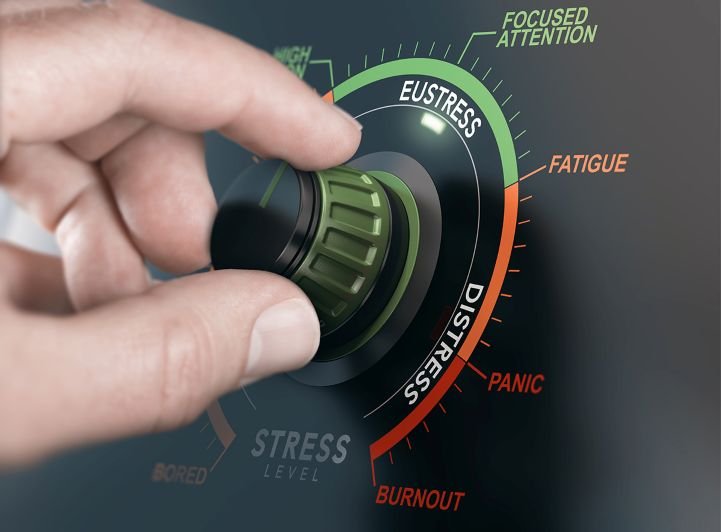
Not all stress is harmful. Eustress is a form of stress that supports focus, motivation, and growth—while distress occurs when stress becomes chronic, overwhelming, or poorly regulated. Eustress is often referred to as 'good stress' and distress as 'bad stress'. The key difference lies not in the stressor itself, but in how the nervous system responds and recovers. In 2026, psychologists categorize stress as eustress and distress based on perceived stressors and coping ability. When the body can activate in response to a challenge and return efficiently to a calm state, stress can be energizing rather than depleting. Breath-based practices, such as SKY Breath Meditation, support nervous system regulation, healthy cortisol rhythms, and resilience, allowing stress to be experienced as purposeful engagement rather than burnout.
Understanding the difference between eustress and distress is essential for maintaining mental health and overall well-being. There is no right or wrong way to experience stress; its effects can be positive or negative, depending on the context and individual resources.
Stress is often framed as something to eliminate. We talk about “reducing stress,” “escaping stress,” or “avoiding stress altogether.” In everyday language, 'stress' is often used to describe negative experiences or challenging situations. But stress is not an abnormal experience—it is a biological response designed to help humans adapt, respond, and grow.
The real issue is how stress is processed by the nervous system.
Some stress feels motivating and energizing. It sharpens attention, increases performance, and leaves you feeling accomplished afterward. Other stress feels draining, relentless, and overwhelming—leaving the body tense, the mind racing, and sleep disrupted.
These two experiences are known as eustress and distress.
Understanding the difference between them—and learning how to shift your nervous system toward regulation—can change how you experience challenge, pressure, and daily demands. How a person responds to stressful situations determines whether the experience is eustress or distress.

Eustress is often described as “positive stress,” but this phrase can be misleading. Eustress does not mean stress is pleasant or effortless. Instead, it refers to stress that is experienced as manageable, meaningful, and time-limited.
From a physiological perspective, eustress occurs when:
Eustress serves as a motivating force that focuses energy and is a key factor in driving personal growth.
In other words, eustress is stress that is regulated and recoverable.
Eustress often shows up during experiences that require effort but also carry purpose or meaning:
These experiences may involve pressure, effort, or uncertainty—but they tend to leave you feeling energized rather than depleted.
Eustress has a distinct physiological and emotional signature:
Eustress is a form of challenging stress that is manageable when a person has sufficient personal and coping resources. This balance is possible because the nervous system can shift smoothly between activation and recovery.
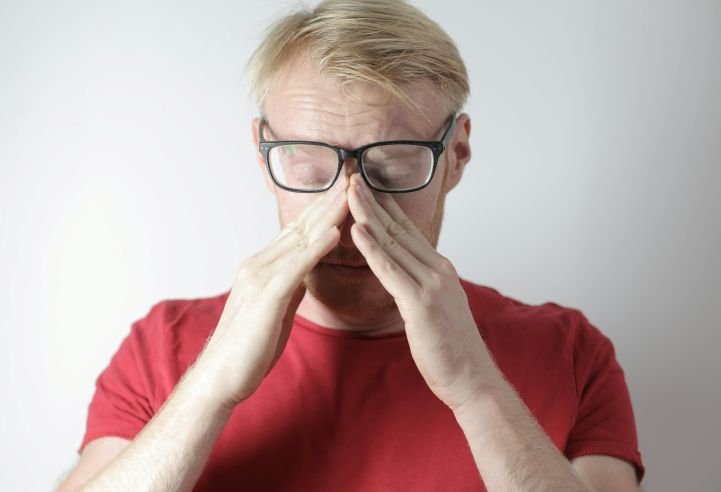
Distress occurs when stress activation is:
In distress, the nervous system stays in a heightened state for too long, and the body does not receive the signal that the challenge has passed.
Over time, this can lead to physical, mental, and emotional symptoms. Ongoing distress can contribute to mental health issues such as anxiety and depression, as well as chronic health issues.
Distress often shows up as:
Distress can make a person feel anxious, distressed, or stressed, and can have a negative impact on a person's ability to think clearly and act rationally.
Unlike eustress, distress does not resolve on its own—it accumulates.

The autonomic nervous system plays a central role in the experience of stress. Stress occurs when the sympathetic nervous system is activated in response to a challenge. It has two primary branches:
Both are essential.
Eustress requires both activation and recovery. Distress, or negative stress, occurs when activation dominates, and recovery is insufficient. If recovery is insufficient, this prolonged activation can lead to negative stress and adverse effects on mental and physical health.
Two people can face the same external stressor and have very different experiences. One may feel challenged and engaged, whereas the other may feel overwhelmed and anxious. When a person feels unable to cope with stress, distress, and overwhelming stress are more likely to occur.
The difference lies in:
Stress becomes harmful not because it exists, but because the body cannot turn it off.
Resilience is not the absence of stress—it is the ability to move between states.
A flexible nervous system can:
This flexibility is the physiological foundation of eustress. Supporting nervous system flexibility promotes overall well-being and mental well-being by enhancing resilience and the capacity to manage stress effectively.

Cortisol is often referred to as the “stress hormone,” but it plays an essential role in healthy functioning. In appropriate amounts and timing, cortisol:
A healthy cortisol rhythm includes:
This rhythm allows stress to be energizing rather than exhausting.
Chronic stress can disrupt cortisol timing:
When cortisol remains elevated or is misregulated, stress no longer supports performance; it contributes to fatigue, anxiety, and sleep disruption. Disrupted cortisol patterns can also lead to negative feelings such as anxiety or fatigue, making it important to recognize and address these emotional responses.
Eustress depends less on whether cortisol is “high” or “low” and more on when and how long it is released.
Healthy stress involves short bursts of activation followed by recovery. Chronic stress disrupts this rhythm, and particularly those with irregular cortisol rhythms are more likely to experience distress.
AspectEustressDistressStress durationShort-termProlonged or frequentNervous system