


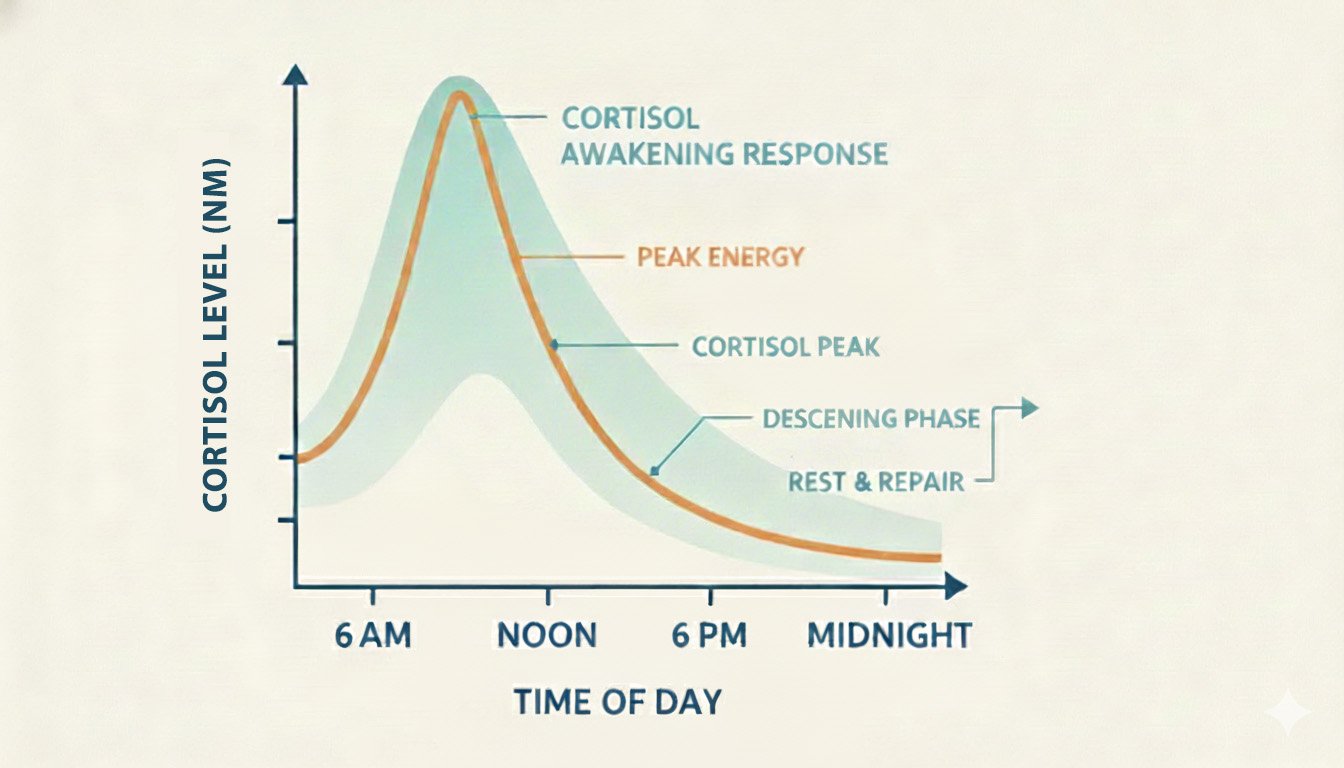
Cortisol is the body’s primary stress hormone, designed to follow a daily rhythm that supports energy in the morning and rest at night. Chronic stress, poor sleep, and circadian disruption can flatten or mistime this rhythm, contributing to fatigue, anxiety, metabolic issues, and sleep problems. Understanding how cortisol is regulated by the nervous system and circadian clock reveals why stress management is less about eliminating stress and more about restoring balance. Breath-based practices such as SKY Breath Meditation support nervous system regulation and may help normalize cortisol rhythms over time.
Cortisol is often referred to as the “stress hormone,” but its role in the body is far more nuanced. Rather than being inherently harmful, cortisol is essential for survival—helping regulate energy, blood pressure, immune function, and the sleep-wake cycle.
The circadian system, our internal biological clock regulated primarily by the suprachiasmatic nucleus (SCN), governs daily physiological processes and synchronizes hormone release, including cortisol, with environmental cues.
Under healthy conditions, cortisol follows a predictable daily pattern known as the cortisol rhythm, rising in the morning to support alertness and gradually declining at night to allow the body to rest and recover. Circadian rhythms are key regulators of numerous physiological processes, including hormone secretion, metabolism, immune function, and the sleep-wake cycle. When stress becomes chronic, or the nervous system remains stuck in high alert, this rhythm can become disrupted, leading to a wide range of physical and mental health symptoms.
Understanding cortisol rhythm offers a clearer lens for stress management—one that focuses on regulation rather than suppression.
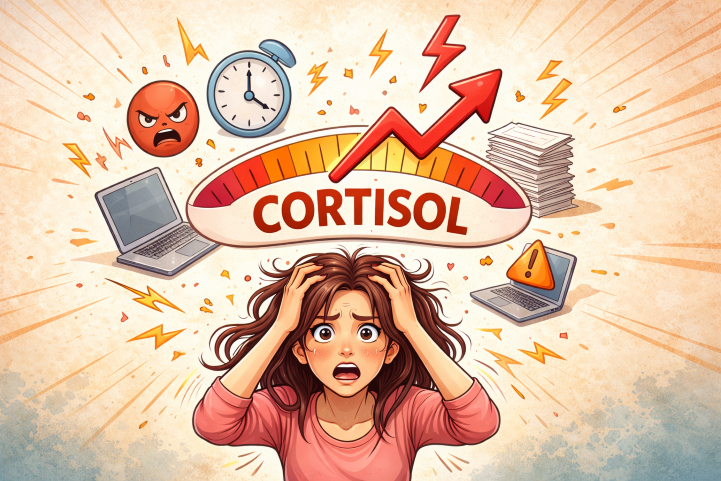
Cortisol is a steroid hormone produced by the adrenal glands, which sit atop the kidneys. Cortisol is synthesized in the adrenal cortex, specifically in the zona fasciculata, which is responsible for producing this and other steroid hormones. It plays a central role in helping the body respond to stress and maintain internal balance.
Cortisol helps:
Cortisol exerts its effects by binding to glucocorticoid receptors, which are widely distributed throughout the body.
Rather than acting in isolation, cortisol operates as part of an integrated brain-body system designed to respond to both physical and psychological demands.
Cortisol production is regulated by the hypothalamic-pituitary-adrenal (HPA) axis, a communication network between the brain and endocrine system.
The process works as follows:
Feedback loops within the HPA axis help regulate cortisol levels so they rise when needed and fall during periods of rest. Chronic stress can interfere with these feedback signals, leading to cortisol dysregulation rather than healthy responsiveness.
Adrenal insufficiency can occur when the adrenal glands do not produce enough cortisol, disrupting the normal cortisol rhythm. There are two main types: primary adrenal insufficiency, often caused by autoimmune attacks that damage the adrenal glands (as seen in Addison's disease), and secondary adrenal insufficiency, which results from pituitary gland dysfunction or abrupt cessation of corticosteroid treatment. Both conditions affect the physiological regulation of cortisol within the HPA axis and can significantly affect hormone balance and overall health.
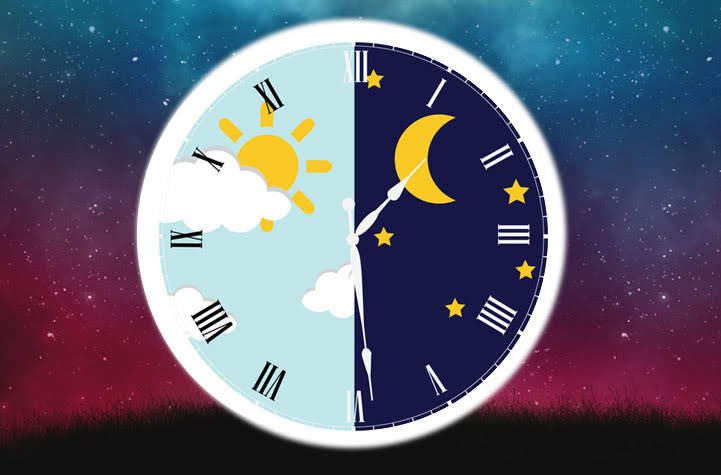
Cortisol exhibits a diurnal rhythm closely linked to the circadian clock:
Cortisol levels are low at the beginning of sleep, rise toward the end, and peak just before waking. The cortisol awakening response (CAR) is characterized by a significant surge in cortisol levels shortly after waking, which prepares the body for daily demands.
This rhythm is coordinated by the suprachiasmatic nucleus (SCN) in the brain, which synchronizes hormonal timing with light-dark cycles. The central clock in the SCN synchronizes with peripheral clocks in tissues throughout the body to coordinate hormonal timing. Melatonin secretion is also regulated by the circadian system and interacts with cortisol rhythms. When this system is functioning well, cortisol supports both productivity and recovery.

Stress is not the problem—unresolved stress is. Acute stress temporarily elevates cortisol and then resolves. Chronic stress, however, repeatedly activates the HPA axis.
Common disruptors include:
Night-shift workers often experience a phase shift in cortisol rhythms, with peak levels occurring at inappropriate times. Circadian rhythm misalignment from night-shift work can increase the risk of developing type 2 diabetes and obesity by disrupting circadian rhythms and altering hormone secretion patterns.
Over time, cortisol rhythm may become flattened, elevated at night, or mistimed—patterns associated with fatigue, sleep disruption, emotional reactivity, and metabolic strain.
AspectHealthy cortisol rhythmDisrupted cortisol rhythmMorning levelsStrong, timely morning riseBlunted or delayed riseDaytime patternGradual decline throughout the dayErratic or flattened patternEvening levelsLow by bedtimeElevated late at nightSleep impactEasier sleep onset, deeper restDifficulty falling or staying asleepEnergy levelsAlert in the morning, steady energy“Tired but wired” or daytime fatigueStress recoveryEfficient return to baseline after stressProlonged stress activationNervous system toneBalanced sympathetic and parasympathetic activitySympathetic dominanceLong-term effectsResilience and metabolic balanceAnxiety, burnout, metabolic strain

When cortisol rhythm is disrupted, the effects can ripple through nearly every system in the body.
Common consequences include:
Adipose tissue plays a significant role in metabolic regulation and local cortisol activation, contributing to insulin resistance and inflammation.
Chronic dysregulation of cortisol is associated with a higher risk of cardiovascular disease, depression, and a shorter lifespan. Over time, it can also lead to long-term health issues such as type 2 diabetes, hypertension, and cognitive decline.
Rather than indicating a single hormonal problem, these symptoms often reflect nervous system dysregulation and impaired stress recovery.

Cortisol plays a pivotal role in the cardiovascular system, acting as a key regulator of blood pressure, heart rate, and vascular tone. Produced by the adrenal glands, cortisol secretion follows a circadian rhythm that helps maintain stable blood pressure and ensures that vital organs like the brain and muscles receive adequate blood flow throughout the day.
Under normal conditions, cortisol release is tightly controlled by the body’s internal clock, or circadian clock, which is governed by the suprachiasmatic nucleus (SCN) in the brain. This central clock synchronizes hormone secretion—including cortisol production—with the 24-hour light-dark cycle, supporting optimal cardiovascular function. When circadian rhythm regulation is disrupted, for example, by shift work, chronic stress, or sleep deprivation, cortisol levels may become elevated or... [truncated]