


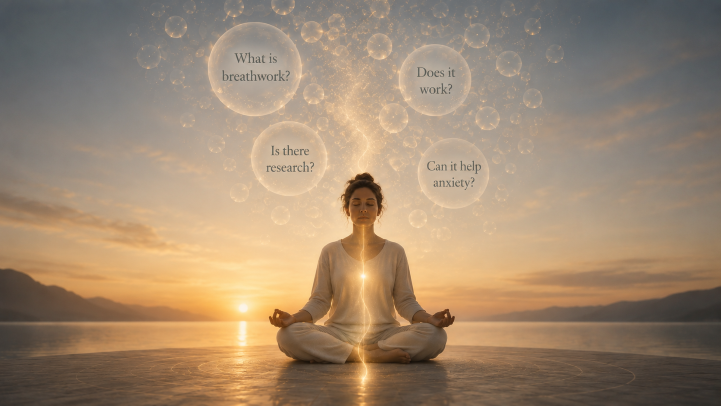
As more of us turn to AI for insights beyond what a typical search engine can provide, it seems only natural to ask about breathwork, especially given how vast and varied the field has become. Researching the countless techniques, traditions, studies, and perspectives on your own could take days, weeks, or even months. AI, on the other hand, can synthesize information from a wide range of credible sources in seconds, distilling it into a clear overview that gives you a solid starting point for your own exploration.
So, what does AI say about breathwork?
In brief, AI consistently describes breathwork as one of the most accessible, evidence-supported ways to regulate the nervous system. In other words, breathwork is a tool for reducing stress, managing emotions, improving mental clarity, and more.
To see how today's AI summarizes the growing body of breathwork research, we asked ChatGPT a series of questions. We then compared those answers with decades of teaching experience and the published research on SKY Breath Meditation.
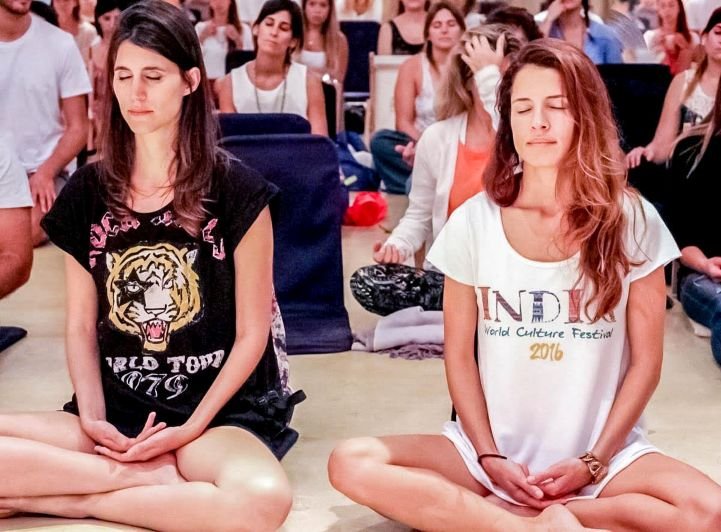
Breathwork is an umbrella term for practices that intentionally change the way you breathe to influence your physical, mental, and emotional state. While breathing is automatic, it's also one of the few bodily functions you can consciously control, making it a powerful bridge between the body and mind.
What's fascinating is that not all breathwork is trying to do the same thing. Some techniques are designed to calm the nervous system, others to increase alertness, and others to facilitate emotional processing or meditative states.
ChatGPT makes some important points. Breathing is both automatic and controllable. Controlling your breathing in very specific ways yields very different results. The length of your breaths, the level of focus or intensity, and other factors influence everything from your state of mind to your physical health. While on one hand, this may sound confusing, on the other hand, it is possible to enjoy a whole menu of breathwork techniques depending on your goals at the moment. Let’s dive deeper.
Breathing directly affects the autonomic nervous system, which regulates functions like heart rate, blood pressure, digestion, and stress responses.
Different breathing patterns can:
Much of this happens through the vagus nerve, which helps regulate the parasympathetic ("rest and digest") nervous system.
Research has shown that even five to ten minutes of slow, controlled breathing can measurably reduce stress.
We love that AI highlights the potential benefits of different breathing patterns. We also love the use of the qualifier “in some circumstances.” Not every breathwork technique is created equal. Some techniques might barely lower stress levels, while others have scientific evidence to back them up. The same can be said for all of these benefits, especially regarding the increase in resilience.
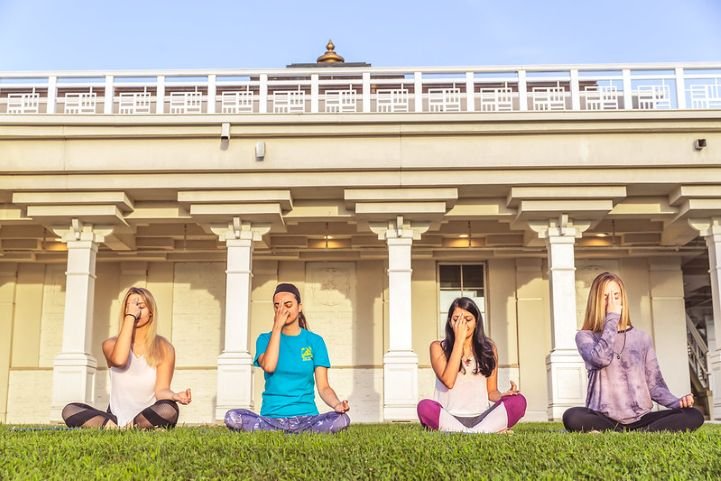
Here are some of the most common approaches.
Often around 5–6 breaths per minute.
Benefits:
Used by athletes, first responders, and military personnel.
Pattern:
Each phase lasts the same number of seconds.
Benefits:
A yogic practice alternating airflow through each nostril.
Research suggests benefits for:
Popularized through research at Stanford.
Typically:
A 2023 study found cyclic sighing produced greater reductions in stress and improvements in mood than mindfulness meditation over several weeks, though both were beneficial.
These involve continuous breathing for extended periods, often in workshops.
Participants sometimes report:
These methods should be practiced with trained facilitators, as they can elicit intense physical and emotional responses and may not be appropriate for everyone.
Among the different types of breathwork AI suggests, we recommend Alternate Nostril Breathing as a tool for deeper meditation and improved focus. The fact that it is also easy to practice and has no contraindications makes it a great go-to. The remaining techniques, except for Holotropic Breathwork, are safe and easy to practice, yielding simple relaxation and at least some increase in mental clarity.
When it comes to Holotropic Breathwork, AI was correct in its assessment that it may not be appropriate for everyone.
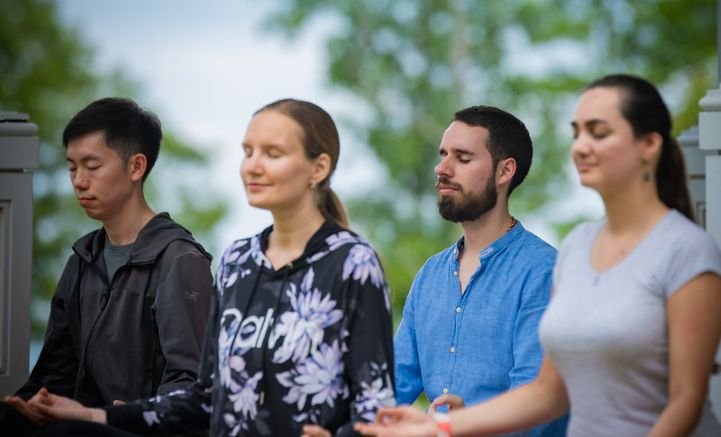
SKY stands for Sudarshan Kriya Yoga. It was developed by Gurudev Sri Sri Ravi Shankar, founder of the Art of Living Foundation.
SKY Breath Meditation has been studied in numerous peer-reviewed publications
It combines several preparatory breathing techniques with a structured rhythmic practice and guided rest.
SKY is taught by trained instructors rather than learned from short online videos.
The program facilitators emphasize a sustainable daily practice instead of chasing increasingly intense experiences.
SKY Breath Meditation has 100+ research studies from institutions such as Yale and Stanford, and its findings have been published in peer-reviewed journals across four continents.
The Yale study found that among college students, SKY outperformed MBSR (Mindfulness-Based Stress Reduction) in reducing stress and anxiety, increasing optimism and social connectedness, and more.
Stanford had similar results in their study.
The SKY Breath Meditation technique is taught on the Art of Living Part 1 Course and includes preparatory breathing exercises such as Three-Stage breathing, using ocean breath (Ujjayi), and Bellows Breath (Bhastrika).
The Part 1 Course is facilitated by vigorously trained instructors. The course can be taken in person or on Zoom. Having an expert instructor ensures you have proper guidance and all your questions answered. We also offer weekly follow-ups to strengthen your daily practice.
Researchers believe SKY may influence health through several pathways:
SKY appears to improve balance between the sympathetic ("fight or flight") and parasympathetic ("rest and digest") nervous systems.
Many practitioners report feeling both deeply relaxed and mentally alert afterward.
Several studies suggest improvements in autonomic regulation, including increased heart rate variability, which is associated with greater resilience to stress.
Some studies have found reductions in cortisol following regular practice, though results vary across populations and study designs.
Research has reported changes associated with:
Some EEG studies have observed increased alpha activity during or after practice, which is often associated with relaxed... [truncated]