


Post-traumatic stress disorder (PTSD) is often described as a mental health condition, but for many people, it feels more like a nervous system that never fully powers down. Long after a traumatic event, the body may remain in a state of hyperarousal, making it difficult to relax, sleep deeply, or feel safe in everyday moments.
As interest grows in holistic and mind-body approaches to healing, many people ask an important question: Can meditation help with PTSD?
While meditation is not a replacement for trauma-informed therapy or medical care, research and lived experience increasingly suggest that it may serve as a supportive practice—helping calm the nervous system, reduce stress reactivity, and build emotional resilience over time.
This article explores how meditation may support people living with PTSD, what research currently shows, which approaches tend to be more suitable, and how to begin gently and safely.
Meditation may help support people with PTSD by calming the nervous system, reducing stress responses, and improving emotional regulation. Research suggests that gentle, guided approaches—especially breath-based and mantra-based meditation—may complement trauma-informed care when practiced consistently. Meditation is not a cure for PTSD, but it may offer a stabilizing foundation that supports healing and overall well-being.
Yes. Meditation can help support people with PTSD by regulating the stress response and strengthening present-moment awareness. It works best as a complementary practice alongside professional care and should be approached gently, with trauma awareness and appropriate guidance.
PTSD can develop after experiences such as violence, abuse, accidents, natural disasters, or prolonged stress. Common symptoms include:
From a physiological perspective, PTSD involves chronic nervous system dysregulation. The brain’s threat-detection systems may remain activated even when there is no immediate danger. This ongoing stress response affects hormones, heart rate, breathing patterns, and emotional regulation.Because of this, healing often requires approaches that work with the body and breath, not only with thoughts or memories.
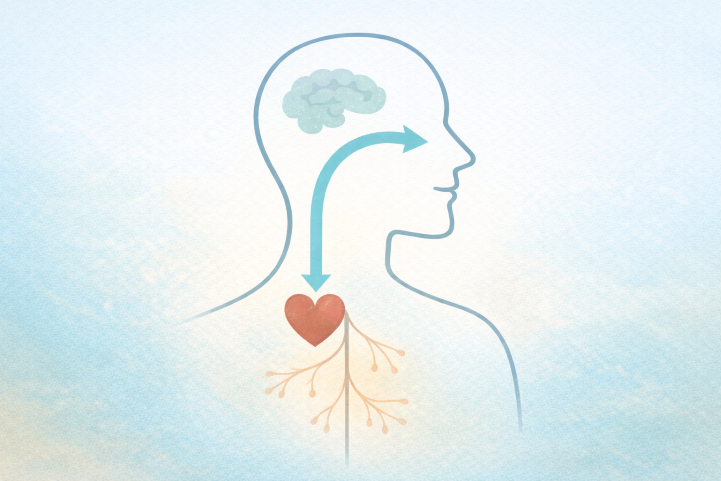
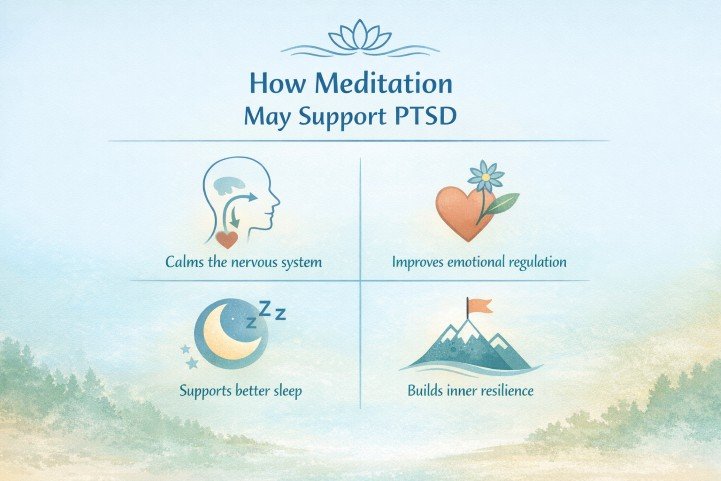
Meditation is not about reliving trauma or forcing emotional release. When practiced appropriately, it may help by:
Rather than revisiting traumatic content, many meditation practices focus on stabilizing attention and gently settling the nervous system, creating conditions that support healing over time.
A growing body of research suggests that meditation may help reduce certain PTSD-related symptoms, particularly those linked to stress and emotional regulation.
Studies have associated meditation with improvements in:
Neuroscience research also suggests that meditation may influence brain regions involved in self-regulation and stress response. Outcomes, however, vary widely depending on the type of meditation, the level of guidance, and whether it is practiced alongside professional support.
For these reasons, meditation is best understood as a supportive practice rather than a standalone treatment.

Not all meditation styles are equally suitable for trauma-sensitive contexts. Some approaches are generally considered more supportive than others.
The breath plays a direct role in regulating the nervous system. Gentle, rhythmic breathing practices help signal safety to the body and reduce stress responses.
When guided appropriately, breath-based meditation may:
Comfort and ease are essential—breathing should never feel forced.
Mantra meditation uses a sound or phrase to anchor attention. This can be helpful for individuals who experience intrusive thoughts or mental restlessness.
Potential benefits include:
Because attention is gently occupied, some people find this approach more accessible than silent observation.
Gradual awareness of physical sensations can help rebuild a sense of safety and connection with the body. Trauma-sensitive approaches emphasize pacing, choice, and neutrality rather than emotional intensity.
Meditation and trauma therapy serve different roles:AspectMeditationTrauma therapyPrimary purposeRegulation and resilienceTrauma processingFocusNervous system calm and awarenessEmotional and memory integrationGuidanceTeacher or structured programLicensed clinicianBest useComplementary supportEssential for trauma healing
For many people, meditation works best alongside therapy, helping them feel more regulated and resourced in daily life.
Meditation can be supportive, but it is not universally appropriate in all forms. Some individuals may experience discomfort, emotional flooding, or dissociation—especially when practicing without guidance.
Meditation tends to be safer when it:
If meditation increases distress, it is important to pause and seek professional support.
A slow, respectful approach matters. Many people benefit from:
Meditation should feel supportive, not demanding. Progress is often subtle and cumulative.
Structured programs can provide a safer entry point than self-guided experimentation. Progressive instruction helps ensure that techniques are introduced gradually and practiced correctly.
Benefits may include:
Programs that focus on calming the nervous system and cultivating clarity—rather than emotional excavation—are often better suited for trauma-sensitive populations.
Can meditation cure PTSD?No. Meditation does not cure PTSD, but it may support stress reduction and emotional regulation as part of a broader healing approach.
How long does meditation take to help PTSD symptoms?
Some people notice benefits within weeks, while others experience gradual improvements over months of consistent practice.
Can meditation make PTSD symptoms worse?
Certain meditation styles may trigger distress if practiced without guidance. Trauma-informed instruction reduces this risk.
Is meditation appropriate for beginners with PTSD?
Yes, when meditation is gentle, guided, and focused on grounding rather than emotional... [truncated]