



Breathing traditions across cultures reveal a shared human understanding: the breath is far more than a biological function—it is a powerful tool for regulating the mind, emotions, and inner state. Across continents and centuries, cultures developed intentional breathing practices not through scientific measurement, but through careful observation of how breath influences clarity, calm, resilience, and connection.
In ancient India, pranayama framed breath as prana, the vital life force that prepares the body and mind for meditation and self-awareness. In Chinese traditions, breath is understood as Qi, which flows through the body’s energy pathways and supports organ health and emotional balance. In Japan, breath became central to Zen meditation and martial arts, cultivating presence, discipline, and calm action. Tibetan, Indigenous, African, Middle Eastern, Greek, and Christian contemplative traditions likewise integrated breath into prayer, ceremony, movement, and philosophy—each expressing the same insight through different cultural lenses.
Despite their diversity, these traditions share unifying principles. Breathing acts as a bridge between voluntary and involuntary systems, allowing conscious awareness to influence the nervous system. Rhythm is emphasized over force, and awareness over effort. Most importantly, breath practices have always been accessible—meant for everyday life rather than elite mastery.
Modern science now confirms what these traditions long understood. Research shows that breathing patterns directly affect the autonomic nervous system, emotional regulation, and stress resilience. Slow, rhythmic breathing supports relaxation, mental clarity, and physiological balance, which helps explain why ancient practices remain deeply relevant in a fast-paced, overstimulated world.
Contemporary breathwork programs draw from multiple cultural lineages while adapting them for modern life. Structured approaches such as SKY Breath Meditation, taught in the Art of Living Part 1 Course, translate ancient rhythmic breathing principles into a guided, accessible experience for today’s practitioners—without requiring prior spiritual background.
Together, these traditions tell a single story: across cultures, humanity has always known that by working with the breath, we work with the whole human system.
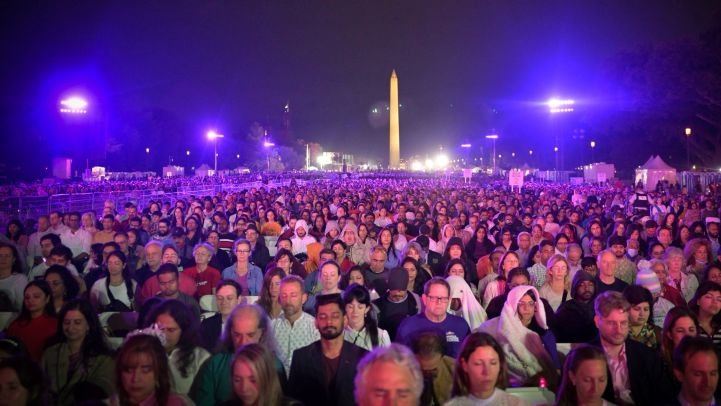
Breathing is the most fundamental human activity. From the moment we are born to the moment we take our last breath, respiration sustains life. Yet across cultures and centuries, humans have recognized that breathing is more than a biological function—it is a powerful tool for regulating the mind, emotions, and inner experience.
Long before scientific instruments could measure oxygen saturation or nervous system responses, ancient civilizations understood something intuitive and profound: how we breathe shapes how we feel, think, and relate to the world. This understanding gave rise to diverse breathing traditions across continents—each shaped by culture, geography, philosophy, and spiritual worldview.
Despite their differences, these traditions share a common insight: breath is a bridge. It connects conscious and unconscious processes, voluntary and involuntary systems, body and mind. In this article, we explore breathing traditions across cultures, tracing how humanity has used breath for healing, meditation, prayer, resilience, and self-awareness—and why these ancient practices remain deeply relevant in modern life.
Across cultures, breath has seldom been regarded as merely mechanical. Instead, it is often associated with life force, spirit, or subtle energy. Language itself reveals this connection: words for breath frequently overlap with words for soul, spirit, or vitality.
In many traditions, breath is understood as:
This perspective explains why intentional breathing practices developed independently across civilizations that had no contact with one another.
While terminology differs, common themes consistently emerge:
These shared insights point to breath as a universal human resource rather than a culturally exclusive practice.
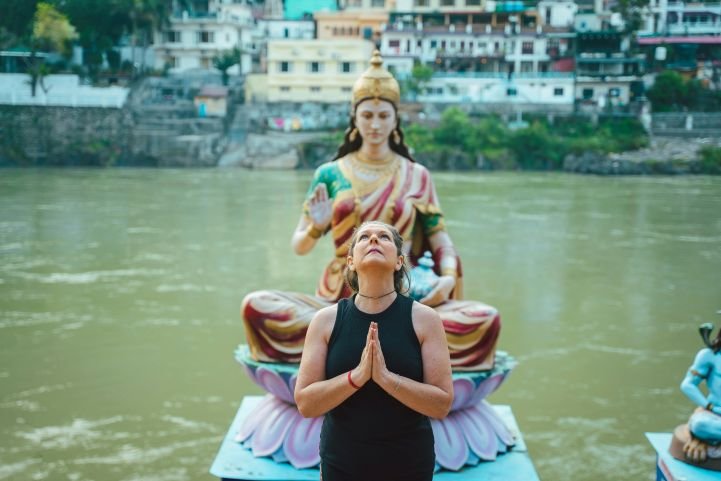
India holds one of the most detailed and systematic explorations of breath in human history. Yogic texts dating back thousands of years describe breath not only as physiological respiration, but as prana—the vital energy that sustains body and mind.
Pranayama combines two Sanskrit roots:
Pranayama practices were designed to expand and harmonize life energy through breath, preparing the practitioner for meditation and higher awareness.
In yogic systems, breath practices were traditionally used to:
Rather than forcing the breath, classical teachings emphasize rhythm, awareness, and gradual refinement.
Ancient texts reference:
These approaches were adapted for different constitutions, life stages, and intentions.
Contemporary programs such as SKY Breath Meditation, taught through the Art of Living Part 1 Course, represent a modern expression of this lineage. These programs preserve the essence of rhythmic breathwork while adapting it to contemporary lifestyles, making ancient practices accessible without requiring years of study or retreat-based living.
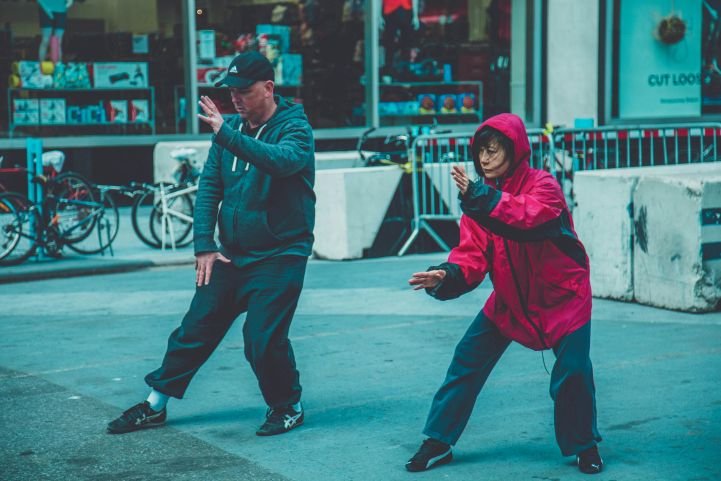
In Chinese traditions, breath is inseparable from qi—the vital energy that animates all living systems.
Traditional Chinese Medicine (TCM) views breath as a primary way to influence:
Shallow, restricted breathing is believed to disrupt Qi flow, while smooth, relaxed breathing supports vitality and longevity.
Practices such as Qigong and Tai Chi integrate breath with:
Rather than controlling breath aggressively, these systems encourage natural, effortless breathing that gradually deepens as tension dissolves.
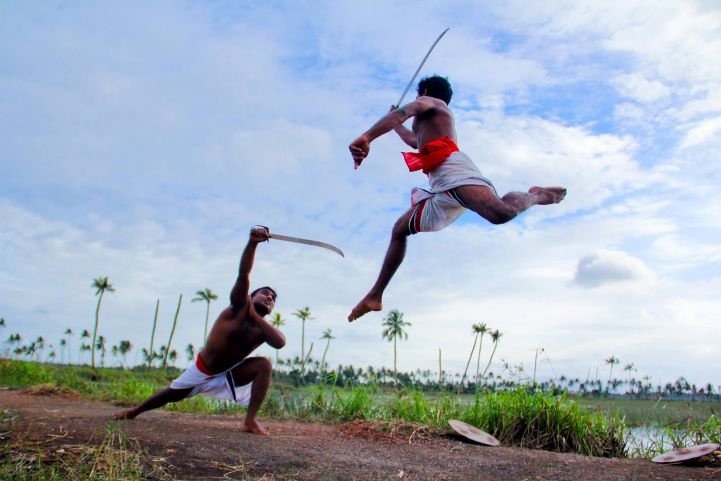
Japanese traditions emphasize breath as a foundation for presence, discipline, and centered action.
Zen meditation (Zazen) places attention on:
The goal is not to change the breath, but to observe it—allowing clarity and insight to arise through sustained attention.
In martial arts such as aikido and kendo, breath training helps practitioners:
Here, breath becomes a stabilizing force that supports both stillness and action.
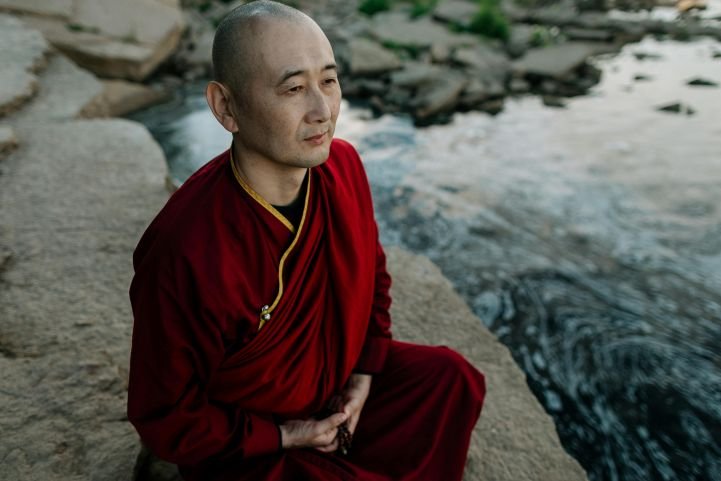
Tibetan contemplative traditions often integrate breath with advanced awareness practices.
Breathing may be combined with:
Rather than focusing... [truncated]