


Stress is universal. Whether from looming deadlines, financial worries, or the constant buzz of notifications, today’s pace of life keeps us in a perpetual state of “fight-or-flight.” This stress response, once adaptive in helping our ancestors escape predators, is now chronically triggered by non-life-threatening demands. The result? A steady rise in conditions such as insomnia, high blood pressure, anxiety, and burnout.
One of the clearest indicators of stress is shallow, rapid breathing. This chest-based breathing signals danger to the nervous system, keeping the body locked in a state of tension. Conversely, slow and intentional breathing signals safety, allowing the body to transition into a state of relaxation. In other words, our breath is both a symptom and a solution for stress.
Long before science measured hormones and brain waves, cultures worldwide recognized the transformative power of breath.
Across civilizations, breath was never seen as mere air exchange—it was understood as the gateway to vitality, healing, and higher consciousness.
While the West once viewed breathing only as a mechanical process, research over the last 50 years has confirmed what ancient traditions intuited—how we breathe directly shapes our mental, emotional, and physical health.
Studies show that slow, deep breathing activates the parasympathetic nervous system, counteracting the stress-driven sympathetic response. This shift lowers cortisol levels and promotes relaxation.
Neuroscientific research has found that controlled breathing modulates activity in the amygdala (the brain’s fear center) and enhances prefrontal cortex function (responsible for focus and decision-making). EEG studies reveal that slow, rhythmic breathing induces alpha and theta brain waves, states associated with relaxation and creativity.
Clinical studies have reported that regular breathing exercises lower blood pressure and improve heart rate variability (HRV), a key indicator of resilience. Some research also shows that breathing practices enhance immune cell activity and antioxidant defenses.
Among the most widely researched breath-based practices is SKY Breath Meditation (Sudarshan Kriya Yoga), taught in the Art of Living Part 1 Course. Over 100 independent studies conducted at institutions including Harvard Medical School, Yale, and Stanford University have shown that SKY:
This scientific validation positions SKY at the intersection of ancient wisdom and modernneuroscience—a comprehensive system of breathing designed to address the challenges of contemporary life.
Breathing has unique advantages over other stress management techniques:
In this article, we’ll explore:
By the end, you’ll not only understand why breathing is such a powerful stress-relief tool, but also how to practice it daily to unlock balance, clarity, and calm.
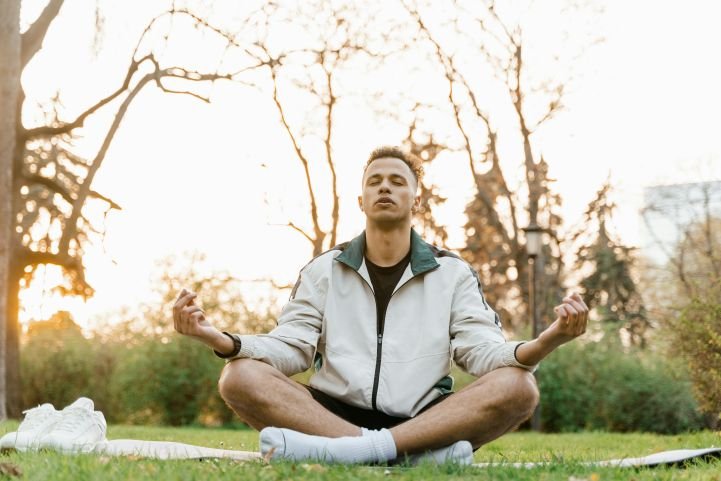
Breathing techniques are structured, intentional ways of controlling the breath to influence the body, mind, and emotions. Unlike unconscious breathing, which occurs automatically, breathing techniques involve mindful awareness of the inhale and exhale, often combined with rhythm, duration, or control of the nostrils. The aim is not only to supply oxygen to the body but to regulate energy, calm the nervous system, and even transform emotional states.
Breathing is unique because it is both voluntary and involuntary. Our heartbeats and digestion are automatic, yet our breath can be consciously regulated. This dual nature gives us a rare lever: through our breath, we can directly influence otherwise automatic processes, such as heart rate, blood pressure, and hormone secretion.
For example, when breathing is rapid and shallow, the sympathetic nervous system, also known as the “fight-or-flight” response, is activated. When breathing is deep, slow, and rhythmic, the parasympathetic nervous system, also known as the “rest-and-digest” system, takes over, restoring calm and balance.
This is why practices as old as yoga emphasize pranayama—not simply as a respiratory exercise, but as a way to balance life energy (prana