



Breathing exercises for emotional regulation are simple, science-backed techniques that help calm the nervous system and reduce stress responses. By slowing and regulating the breath, these practices support parasympathetic activation, improve emotional balance, and facilitate emotional responding rather than emotional reaction. Techniques such as diaphragmatic breathing, box breathing, and alternate nostril breathing can be used daily to reduce anxiety, stabilize mood, and support long-term emotional resilience.
Breathing exercises are one of the most direct and accessible tools for emotional regulation. Because breath is both automatic and consciously controllable, it provides a unique bridge between the mind and the nervous system. When emotions feel overwhelming—whether anxiety, frustration, or mental fatigue—breathing patterns often change first, becoming shallow, rapid, or irregular.
Research shows that breathing exercises influence both branches of the autonomic nervous system: the sympathetic nervous system, which activates the fight-or-flight response, and the parasympathetic nervous system, which supports rest, recovery, and emotional balance. By consciously adjusting the rhythm, depth, and pace of the breath, individuals can gently shift the body out of stress reactivity and into a state of regulation.
Different breathing techniques—such as diaphragmatic breathing, alternate nostril breathing, straw breath (pursed-lip breathing), and box breathing—are commonly used to reduce stress, calm the mind, and support emotional steadiness. Over time, regular practice strengthens self-regulation skills, making it easier to respond thoughtfully rather than react impulsively to emotional triggers.
Breathing exercises can be practiced anywhere, require no equipment, and offer immediate feedback through changes in heart rate, muscle tension, and mental clarity. This provides a robust foundation for emotional well-being in daily life.
Breathing exercises for emotional regulation are practices that use slow, controlled breathing to shift the body out of stress mode and into a calmer, more regulated state by influencing the nervous system.
Breathing exercises affect emotions by reducing sympathetic nervous system activity and supporting parasympathetic recovery. This helps lower stress signals in the body, making emotional responses feel less intense and more manageable.
Common breathing techniques for emotional regulation include diaphragmatic breathing, box breathing, alternate nostril breathing, and slow breathing with a longer exhale.
Many people notice changes within a few minutes, especially when breathing becomes slower and more rhythmic. Long-term emotional regulation improves with consistent daily practice.
Diaphragmatic breathing (belly breathing)
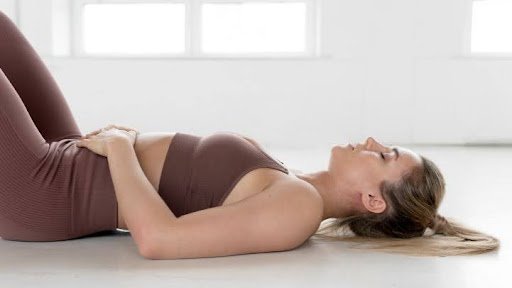
Diaphragmatic breathing engages the diaphragm rather than the upper chest, allowing the lungs to fill more fully and efficiently. As the abdomen expands on inhalation and gently falls on exhalation, signals of safety are sent to the nervous system.
This type of breathing is especially helpful for emotional regulation because it:
With consistent practice, diaphragmatic breathing can retrain habitual shallow breathing patterns often associated with chronic stress and anxiety.

Alternate nostril breathing involves breathing through one nostril at a time in a controlled, rhythmic pattern. Traditionally used to promote balance, this technique helps regulate the pace of breathing and encourages focused attention.
From a nervous-system perspective, alternate nostril breathing:
It is often used during transitions—before sleep, after work, or prior to meditation—to facilitate a shift from mental overactivity to calm awareness.

Box breathing consists of four equal phases: inhale, hold, exhale, and hold again. This structured rhythm creates a predictable breathing pattern that the nervous system quickly responds to.
Box breathing is commonly used to:
Because of its simplicity, box breathing is frequently taught for workplace stress, public speaking, and emotional grounding during challenging situations.

Straw breath involves inhaling gently through the nose and exhaling slowly through pursed lips, as if blowing through a straw. The extended exhale naturally calms the nervous system and helps regulate breathing rhythm.
This technique is particularly helpful when emotions feel intense or overwhelming, as it:
Different breathing rates produce distinct effects on the nervous system. Rapid or erratic breathing tends to activate the sympathetic response, increasing alertness and emotional intensity. Slow, steady breathing does the opposite—encouraging calm, stability, and emotional regulation.
Understanding this contrast helps individuals intentionally select breathing techniques based on their emotional state and needs.
Slow, rhythmic breathing
Rapid or shallow breathing
Regular breathing practice offers both immediate and long-term benefits for emotional well-being.
Breathing exercises can:
Over time, these benefits accumulate, helping the nervous system recover more quickly from stress and maintain emotional balance throughout the day.
Regulate your emotions at the nervous system level
Breathing exercises can help in the moment. A structured breath-based practice can help you build resilience over time. Learn SKY Breath Meditation—a guided practice that supports stress recovery, emotional steadiness, and a calmer baseline.

Breathing directly affects the autonomic nervous system, which governs unconscious bodily functions such as heart rate, digestion, and emotional responses.
Slow, rhythmic breathing activates the parasympathetic nervous system—the branch responsible for rest, digestion, and recovery. When this system is engaged, the body naturally shifts out of stress mode, allowing emotions to settle and mental clarity to return.
The sympathetic nervous system prepares the body for action. While essential in short bursts, chronic activation—often reinforced by rapid, shallow breathing—can lead to emotional dysregulation, irritability, and anxiety.
Breathing exercises help interrupt this cycle by signaling safety and reducing stress hormone activity.
The vagus nerve plays a central role in communication between the brain and body. Slow, deep breathing stimulates vagal tone, which is associated with:
This is one reason breath-based practices are so effective for emotional well-being.

SKY Breath Meditation is a structured breath-based meditation practice that goes beyond individual breathing exercises. It combines specific breathing patterns with deep rest to support nervous system regulation and emotional resilience over time, rather than only offering moment-to-moment relief.
While individual breathing techniques are powerful, structured breath-based meditation offers a deeper and more integrated approach to emotional regulation.
SKY Breath Meditation combines specific breathing patterns with periods of deep rest to help regulate the nervous system at a foundational level. Rather than addressing... [truncated]