

In today’s world of constant notifications, busy schedules, and mounting responsibilities, stress has become almost unavoidable. From the moment we wake up, our minds are racing—thinking about deadlines, finances, health, and family. This chronic stress doesn’t just affect our mood; it has real consequences for our physical and mental well-being.
Yet there is an ancient, powerful tool that we carry with us everywhere—the breath. Breathing is automatic, but when we bring conscious awareness to it, it becomes a doorway to calm, energy, and inner balance.
Across cultures, from yogic traditions in India to meditation practices worldwide, breath has been revered as a source of life energy—or prana. Modern science now echoes what ancient sages taught: breathing exercises can reduce anxiety, regulate blood pressure, improve sleep, and even strengthen the immune system.
At the Art of Living Foundation, breath-based practices are at the heart of wellness. Programs such as the Part 1 Course introduce participants to SKY Breath Meditation, a powerful rhythmic breathing technique that has been scientifically shown to reduce stress and increase well-being. Through simple yet profound techniques, individuals learn to reconnect with themselves and access a state of peace that is always within reach.
This article explores the benefits, types, and applications of ancient breathing techniques—tailored for modern life. Whether you’re new to mindfulness or a seasoned practitioner, breathwork can transform your health, reduce stress, and open the door to greater clarity and joy.
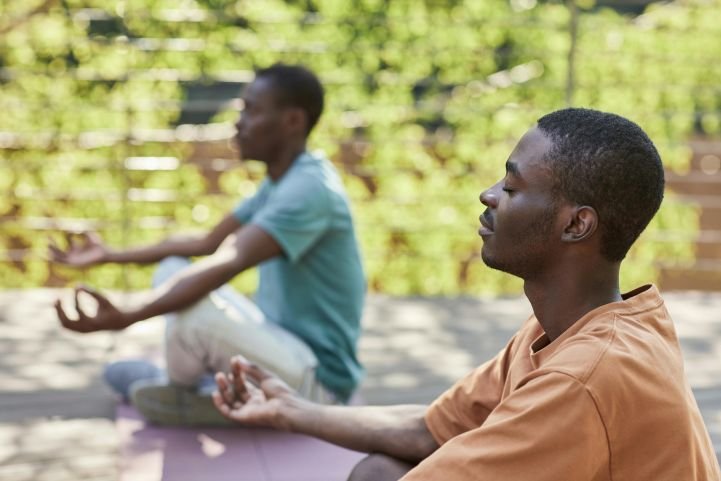
The way we breathe shapes the way we live. While most people rarely think about their breathing patterns, consciously practicing ancient breathing techniques can create a profound impact on physical health, mental balance, and emotional resilience. Modern research and timeless wisdom both affirm: the breath is a natural healer, available to us in every moment.
One of the most immediate benefits of breathwork is stress reduction. When we’re anxious, the breath becomes shallow and rapid. This signals the brain that we’re in danger, keeping the nervous system locked in fight-or-flight mode.
Conscious deep breathing reverses this process. By elongating the breath, we activate the parasympathetic nervous system, which lowers cortisol (the stress hormone) and sends calming signals throughout the body.
Insomnia and restless nights often stem from an overactive mind. Breathwork helps prepare the body for rest by slowing down the thought stream. Practices like 4-7-8 breathing or alternate nostril breathing calm the nervous system and lower blood pressure, setting the stage for deep, restorative sleep.
Unlike sleep medications, which can create dependency, breathing exercises provide a natural, sustainable solution.
The connection between the breath and emotions is intimate. Notice how you breathe when you’re angry, fearful, or joyful—each emotion has its rhythm. By consciously shifting the breath, we can shift our emotional state.
Breath practices help regulate the amygdala—the brain’s emotional center—providing relief from anxiety, panic, and depression.
Breathwork improves oxygen flow to the brain, sharpening focus, memory, and clarity. Box breathing and alternate nostril breathing are especially useful before studying, public speaking, or high-pressure meetings.
For professionals, students, and creatives, conscious breathing is like pressing a reset button for the mind—bringing attention back to the present moment and fueling productivity.
Breathing exercises are not just calming; they are profoundly physical in their impact.
At the Art of Living, SKY Breath Meditation is often described as a “detox for the body.” Many practitioners report fewer illnesses, improved digestion, and more consistent energy levels.
Research shows that slow, deep breathing correlates with longevity. Ancient yogis believed that each of us has a finite number of breaths, and by slowing the breath, we can extend our lives.
By protecting against stress-related damage, conscious breathing supports healthy aging and vitality.
Beyond physical and mental benefits, breathwork opens the doorway to deeper dimensions of awareness. Breath links the body to the mind and the mind to the spirit. Ancient practices like pranayama are designed not only for health but also for awakening higher states of consciousness.
At Art of Living Silent Retreats, participants often describe experiencing profound peace and a deep sense of connection through guided breathing and meditation practices. These experiences go beyond relaxation—they touch the very core of human existence.
✨ In short, the benefits of breathing span every layer of life: body, mind, and spirit. From reducing stress to boosting immunity, improving sleep, enhancing focus, and even nurturing spiritual growth, breathwork is one of the simplest yet most powerful tools we have—backed by both science and centuries of lived wisdom.
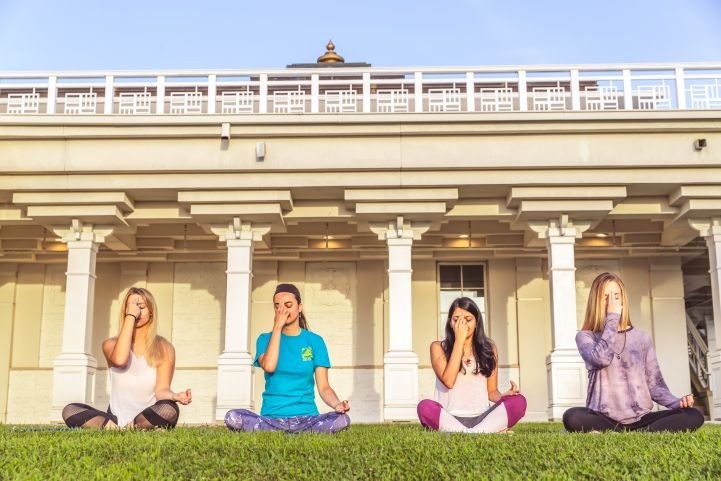
There are dozens of breathing techniques practiced across cultures and traditions, each with unique benefits for the body, mind, and spirit. Some are gentle and calming, while others are energizing and purifying. By exploring different types of breathwork, you can find the practices best suited for your needs—whether you want to reduce stress, improve focus, or deepen meditation.
Also called belly breathing, diaphragmatic breathing engages the diaphragm—the dome-shaped muscle at the base of the lungs. Most adults tend to breathe shallowly into the chest, especially under stress. This shallow breathing deprives the body of oxygen and keeps the nervous system in fight-or-flight mode.
Diaphragmatic breathing helps reverse this:
How to practice: Place one hand on the belly and one on the chest. Inhale deeply through the nose, allowing the belly to rise while keeping the chest relatively still. Exhale slowly, feeling the belly fall.
Benefits: Lowers blood pressure, improves oxygen exchange, massages internal organs, and helps relieve symptoms of anxiety.
Scientific support: Studies published in